Contents:
- The Challenge of Translating Vision Into Reality
- Clarifying Your Vision Before You Contact a Florist
- Gather Visual References That Tell Your Story
- Identify Your Non-Negotiables and Deal-Breakers
- Determine Your Budget Clearly and Realistically
- Steps for Communicating Effectively With Your Florist
- Step 1: Schedule a Proper Consultation, Not a Rushed Conversation
- Step 2: Present Your Visual References Strategically and Discuss Honestly
- Step 3: Describe Flowers With Specific, Technical Language
- Step 4: Explain the Purpose, Context, and Environment in Detail
- Step 5: Discuss Specific Flower Choices Versus Open Suggestions
- Step 6: Be Explicit About Arrangements Versus Bouquets Versus Installations
- Step 7: Discuss Timeline and Seasonal Realities Openly
- What the Pros Know
- Common Mistakes to Avoid When Communicating With Florists
- Mistake #1: Bringing Only One Reference Photo
- Mistake #2: Expecting Exact Replicas of Professional Photography
- Mistake #3: Changing Your Mind Repeatedly Throughout the Process
- Mistake #4: Not Mentioning Budget Constraints Until Asking for the Final Quote
- Mistake #5: Assuming All Florists Work Identically
- Mistake #6: Describing Flowers by Abstract Feelings Rather Than Concrete Details
- Mistake #7: Not Mentioning Allergies or Sensitivities Upfront
- Budget Breakdown for Different Flower Arrangement Types
- Presenting Your Vision Across Different Florist Types
- Local Independent Florists
- Online Florists and Delivery Services
- Grocery Store and Chain Florists
- Frequently Asked Questions About Communicating With Florists
- Q: How far in advance should I book a florist?
- Q: What if I hate what the florist created?
- Q: Can I bring my own vase or container?
- Q: How do I know if a florist can actually execute my vision?
- Q: What if I can’t describe what I want verbally?
- Q: Should I expect to pay more for custom work?
- Moving Forward With Confidence
The Challenge of Translating Vision Into Reality
You envision the perfect arrangement—vibrant peonies cascading over white hydrangeas, accented with eucalyptus sprigs and ribbon in blush pink. But when you receive the flowers, something feels off. The proportions aren’t right. The colors don’t match the photo you showed. The florist interpreted your words differently than you intended.
This disconnect happens more often than it should. Communicating your vision to a florist requires more than a casual conversation or a vague description. It demands clarity, specificity, and an understanding of how professionals think about design. The good news: learning how to communicate with florists is entirely learnable, and it transforms the entire experience from frustrating to collaborative.
Getting exactly what you want from a florist means bridging the gap between what you imagine and what they can create. Whether you’re ordering for a wedding, a corporate event, or simply want to brighten your home, the process involves preparation, visual references, and honest dialogue. That florist in sunny isles beach fl who created your friend’s stunning bouquet? They didn’t nail it by accident. They had clear communication from their client. The difference between a mediocre result and a spectacular one often comes down to how well you communicate your expectations before any flowers are even selected.
Throughout 2026, florists report that miscommunication is the primary source of customer dissatisfaction, not the quality of flowers or the designer’s skill. Clear communication isn’t just helpful—it’s the foundation of getting exactly what you want. This guide walks you through every step of effectively communicating your flower vision so that what arrives matches what you imagined.
Clarifying Your Vision Before You Contact a Florist
The work begins before you pick up the phone or send that email. Taking time to refine what you actually want prevents miscommunication at the source. Most people skip this crucial preparation phase and jump directly to contacting florists. That’s where the problems start. You can’t communicate clearly about something you haven’t fully clarified in your own mind.
Gather Visual References That Tell Your Story
Start a digital folder or Pinterest board dedicated to flower arrangements you love. Collect images showing different styles, color palettes, textures, and sizes. Don’t just grab one or two pictures—aim for at least five to ten examples. This gives the florist a clear pattern of your preferences rather than relying on a single interpretation. The more examples you provide, the more accurately they understand your taste.
Look specifically for arrangements that excite you, even if you can’t articulate why. Notice which combinations of flowers appeal to you. Do you gravitate toward romantic, garden-style designs or sleek, modern structures? Are you drawn to monochromatic palettes or bold color contrasts? The visual evidence speaks louder than any description you could write. Save images from high-quality sources—photographer portfolios, florist websites, wedding blogs, and magazine features. These sources typically feature professional photography that shows flowers accurately without excessive filtering.
Include close-up photos if possible. A zoomed-in shot of a peony bloom or the texture of eucalyptus foliage helps florists understand the specific details that matter to you. Photographers’ behind-the-scenes work often includes excellent detail shots—these are goldmines for reference material. When you show a florist a detail photo of a particular rose variety, they immediately know exactly what you’re describing rather than guessing which of ten rose types you meant.
Create categories within your collection: color inspiration, texture inspiration, size inspiration, and overall style inspiration. This organizational approach helps florists quickly understand different aspects of your vision. You might love the color palette of one arrangement, the texture elements of another, and the overall proportions of a third. Breaking down your references this way communicates far more useful information than a random collection of pretty pictures.
Identify Your Non-Negotiables and Deal-Breakers
Before talking to anyone, list what absolutely must be included and what you want to avoid. Are there specific flowers that feel essential? Some blooms trigger allergies for certain guests—note these. Do you have color restrictions for a particular event or aesthetic? Is there a price ceiling you won’t exceed? Being explicit about these parameters from the beginning sets clear boundaries.
Think about flowers you actively dislike. Some people can’t stand the scent of oriental lilies. Others find baby’s breath overdone or too reminiscent of older-style weddings. Some have allergies to certain pollen. Some hate the fragility of certain blooms in certain conditions. List these negative preferences because florists might naturally suggest something you actively don’t want.
Be honest about practicalities too. If you need the arrangement to fit on a specific table, measure it first. If the flowers must survive in a certain environment—a dark office, a hot outdoor venue, a humid bathroom, a vehicle during transport—mention this explicitly. These constraints actually help florists make better recommendations. They know which flowers wilt quickly in heat and which hold up beautifully. They understand which blooms manage low-light conditions. These constraints aren’t limitations—they’re information that helps florists design something that looks good when it actually matters.
Consider longevity too. If you need flowers that last two weeks, that’s very different from arrangements meant to look spectacular for a single evening event. The flower choices change based on this timeline. Premium peonies might wilt in days if you need longevity, while garden roses hold up longer. These are the conversations florists need to have.
Determine Your Budget Clearly and Realistically
Florists work within budget parameters every single day. Being upfront about what you can spend prevents disappointment and wasted time. A $50 bouquet looks dramatically different from a $150 one, and that’s perfectly fine—but everyone needs to know going in. Many people feel uncomfortable discussing budget, but florists actually appreciate it because it helps them design appropriately.
Premium flowers like garden roses, orchids, peonies, and ranunculus command higher prices than carnations or alstroemeria. Seasonal availability affects cost dramatically. A dozen red roses costs $25 more in February than in July. Garden-fresh peonies in May cost half what they do in January when they’re imported. Delivery fees, vases, and special techniques add expenses. Knowing your total budget—not just what you want to spend on flowers alone—helps florists craft proposals within realistic parameters.
Think about what’s included in pricing. Some florists quote a base flower price, then add vase cost, design time, and delivery separately. Others include everything. Ask what’s included in any quote so you understand what you’re paying for. This prevents sticker shock when the final invoice is higher than you expected because you didn’t account for delivery, vase, or design fees.
If you have flexibility, discuss this too. Maybe you can spend between $80 and $120 and want to allocate your budget wherever creates the most impact. Some florists would prioritize premium flowers and use a simpler design. Others would create a more elaborate design with mid-range flowers. Your flexibility gives them options to work with.
Steps for Communicating Effectively With Your Florist
Step 1: Schedule a Proper Consultation, Not a Rushed Conversation
Don’t try to communicate your flower vision while standing in a shop waiting for your lunch order or calling between meetings. Book a consultation—even a brief one. This shows the florist you’re serious and gives them dedicated time to focus on your project without distractions.
For major events, in-person consultations work best. You can walk through design choices together, hold samples, and adjust ideas in real-time. You can show physical ribbon samples or fabric swatches you want colors matched to. You can discuss the space where flowers will sit and how they’ll look in that specific environment. For simpler orders, a video call or phone conversation works fine. The key is having enough time for genuine dialogue and meaningful feedback.
If you’re working with a busy designer during peak season (think Valentine’s Day or June weddings), book well in advance. Your florist’s availability and creativity directly correlate with how much lead time you provide. A florist with a wide-open schedule creates more thoughtfully than one rushing between back-to-back orders. The investment of booking early pays off in the thoughtfulness of your design.
Come prepared to these consultations. Bring your visual references organized and ready to discuss. Bring measurements if relevant. Bring any material samples or color swatches you want matched. Come with your list of non-negotiables and budget clearly in mind. This preparation transforms consultations from vague brainstorming into productive design discussions.
Step 2: Present Your Visual References Strategically and Discuss Honestly
During your consultation, pull out your carefully curated images. Let the florist see them without commentary first. Watch their reactions. Then talk about what draws you to each one. Instead of saying “I like this one,” say “I’m drawn to the use of trailing greenery here” or “I love how the colors are balanced—bright but not chaotic.” This helps florists understand your design language, not just your favorite flowers.
They start seeing patterns in your taste. Maybe you prefer asymmetrical arrangements over symmetrical ones. Perhaps you like flowers that look freshly picked rather than arranged in perfectly uniform rows. Maybe you gravitate toward tight, structured designs versus loose, garden-style combinations. Articulating these patterns helps florists understand your core aesthetic preferences.
Be prepared to discuss which images are must-haves and which are inspirational. You might adore the exact aesthetic of one photo, but logistics prevent replicating it exactly. A skilled florist will translate that spirit into something achievable within your constraints. This is where the collaboration becomes valuable. You’re not paying for someone to photocopy an image—you’re paying for their skill to create something inspired by your vision but executed within the real-world parameters of their materials and your timeline.
Show unflattering pictures too. If there’s a style you don’t want, show examples so florists understand what to avoid. Sometimes what you don’t want is just as important as what you do want. If you hate those overly froufrou, tightly packed hybrid tea rose arrangements from the 1980s, show a photo of one and explain why it doesn’t appeal to you. This prevents florists from accidentally suggesting something you’ll reject.
Step 3: Describe Flowers With Specific, Technical Language
Forget vague terms like “nice flowers” or “whatever looks good.” Instead, use concrete descriptors that florists understand and can actually execute.
Talk about color in specific terms: “dusty rose” instead of “kind of pinkish,” “sage green” instead of “greenish,” “navy” instead of “dark blue.” Paint chip samples from hardware stores actually work wonderfully for this—you can literally show the shade you want. Bring Pantone color swatches if you’re particular. Some florists can match colors precisely when you give them these references. Talking about “blush” versus “coral” versus “salmon” makes an enormous difference because everyone envisions these terms differently.
Discuss texture and form in detail. Do you want delicate, airy flowers or substantial, bold ones? Round, full blooms or spiky, structural elements? Flowers with visible stamens or tightly packed petals? The difference between a garden-style rose and a hybrid tea rose matters—one looks wild and romantic, the other formal and structured. Some people love the ruffled, layered appearance of cabbage roses. Others find them too full. Be specific about which appeals to you.
Mention scent if it matters. Some people want fragrant arrangements; others have sensitivities or allergies to fragrance. Peonies, gardenias, and tuberose have strong fragrances that fill a room. Many modern roses have been bred for appearance and have little scent. Some flowers have unpleasant scents—certain lilies have a musty smell that doesn’t work for everyone. This is worth discussing explicitly so you’re not surprised.
Use size descriptors accurately and with measurements. “Large” means different things to different people. A large arrangement for a center table might be 14 inches tall and 12 inches wide. A large arrangement for a fireplace mantel might be 3 feet tall and 4 feet wide. Measure the space your flowers will occupy and communicate dimensions. “I need something that fits in a 12-inch tall by 8-inch wide vase on my entryway table” is infinitely more useful than “something that’s not too big.”
Talk about weight and proportion. Do you want a design where flowers are light and airy with lots of visible space between stems, or something that’s more densely packed and lush? Light, airy designs showcase individual blooms. Dense designs create impact and work better from a distance. Your preference here dramatically affects the final look.
Step 4: Explain the Purpose, Context, and Environment in Detail
The event or occasion dramatically influences what works. A wedding centerpiece needs to be table-height so guests can see each other across the table. A sympathy arrangement should convey respect and comfort with appropriate, usually more subdued aesthetics. A birthday bouquet can be playful and bold with bright colors and energetic combinations. A corporate event arrangement must coordinate with professional decor and maintain formality.
Share relevant details: the time of day, the venue’s color scheme, the formality level, who will be there, and what emotional tone you’re aiming for. Is this a celebration or a somber occasion? Will it sit in bright sunlight or low light? Are there religious or cultural considerations? These contexts allow florists to make design choices that harmonize with the bigger picture, not just create pretty flowers in isolation.
Discuss the room itself if possible. What colors dominate the space? What’s the lighting like—bright windows, warm lamps, fluorescent overhead? What architectural style is the space—modern, traditional, industrial, cottage? What’s the overall aesthetic—minimalist, maximalist, eclectic? Florists design differently for spaces. An arrangement that looks stunning in a bright, white Scandinavian room might look wrong in a dark, moody Victorian parlor.
Mention how long the arrangement needs to look good. A wedding needs to be beautiful for eight hours. An arrangement delivered to an office might need to look fresh for five days. A sympathy arrangement at a funeral should hold up through a multi-day viewing period. Different flowers and design approaches work better for different timeframes. If you’re shopping with mypeonika.com, you’ll find designers who ask these types of clarifying questions because context drives design excellence.
Step 5: Discuss Specific Flower Choices Versus Open Suggestions
You might have strong preferences for certain flowers, or you might want the florist’s expert recommendations. Be clear about which applies because this dramatically affects the design process.
If you must have specific flowers, state this directly and explain why: “I want garden roses to be the hero of this arrangement because my grandmother loved roses and I want to honor that.” The florist can then build around that requirement, choosing complementary flowers and greenery that elevate rather than compete with your must-have blooms. If you’re insistent on certain expensive blooms, understand that this might limit your design options or impact your total cost.
If you’re open to suggestions, say so explicitly: “I love the overall feel of these references—what flowers would you actually recommend?” This invites their expertise without leaving you anxious about unknowns. Florists often know which blooms are in season, reasonably priced, and will last longest in your conditions. They’ve worked with hundreds of combinations. They understand which flowers photograph beautifully and which ones look better in person. Trusting their flower selection while you control the overall vision creates powerful collaboration.
Ask about seasonal availability and pricing implications. “I love peonies, but I understand they’re expensive in December. What would you suggest as an alternative that creates a similar romantic feeling?” This shows you’re informed and flexible, which florists genuinely appreciate because it lets them design creatively within reality.
Step 6: Be Explicit About Arrangements Versus Bouquets Versus Installations
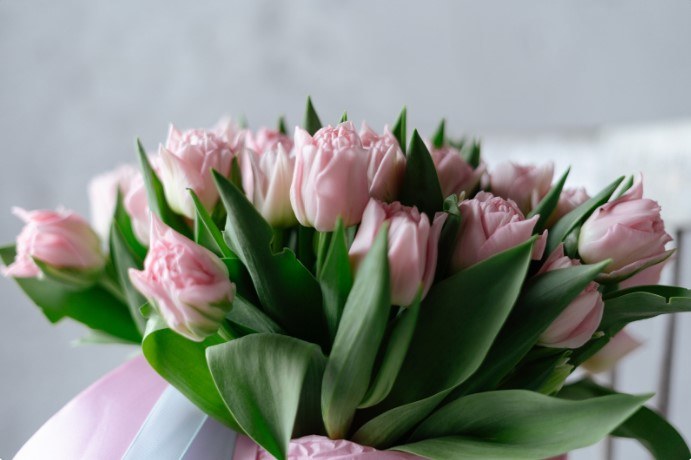
The presentation style matters enormously for the final look and effect. An arrangement in a vase sits permanently and needs to look complete from all angles. A bouquet is typically held or carried and can be viewed primarily from the front. A vase-less clutch wrap can be placed on a table or held as is. Installations might be hanging, standing, or featured in unconventional ways.
Each style suits different occasions and looks dramatically different. Arrangements tend to feel more formal and structured because they’re contained in a vase with visible mechanics. Clutch bouquets feel looser and more organic because stems aren’t as rigidly positioned. Installations can range from wildly dramatic to deceptively simple. Being clear about what you envision—and what logistics allow—prevents misunderstandings about the final product.
Discuss whether the vase is included in pricing or if you’re providing one. Some florists have extensive vase inventories and prefer using their own pieces that match their design aesthetic. Others are happy to work with what you bring, potentially adjusting pricing if they’re not providing the vase.
Step 7: Discuss Timeline and Seasonal Realities Openly
When do you actually need the flowers? Some blooms require more advance ordering than others. Premium peonies in February require ordering in September. Garden roses in peak season need ordering weeks ahead. Common flowers like carnations and alstroemeria have more flexibility and can often be obtained with shorter notice.
Delivery timing matters too. Flowers delivered the morning of an event look freshest. But if your venue isn’t accessible early, florists might suggest delivery the day before. Discuss the timeline explicitly and ask what that means for flower freshness, prep logistics, and any price adjustments. Rushed orders might cost more because they require pulling resources from other projects.
Be honest if you’re shopping during peak season. February (Valentine’s Day), May-June (weddings), and November-December (holidays) represent crunch times for florists. They might be fully booked or require premium pricing. Understanding these realities prevents frustration when a florist can’t accommodate a last-minute order in February or charges more than expected for a June wedding.
What the Pros Know
Professional florists have a secret: they design for themselves before worrying about clients. They know what works structurally, what combinations last longest, and what the eye naturally gravitates toward. When you communicate clearly about your vision, you’re not constraining their creativity—you’re giving them a brief to innovate within. The best florists see constraints as challenges to solve brilliantly, not limitations to resent. They get excited about designing within parameters because that’s where skill truly matters. Anyone can create a beautiful arrangement with unlimited budget and no constraints. Creating something stunning within real-world limitations showcases true expertise.
Common Mistakes to Avoid When Communicating With Florists
Learning what not to do prevents frustration before it starts. These mistakes are almost universal, but awareness helps you sidestep them entirely.
Mistake #1: Bringing Only One Reference Photo
A single image creates a single interpretation, and if that photo doesn’t perfectly match your vision, the florist has nowhere else to look for guidance. Multiple images reveal patterns and give flexibility. You need enough examples that the florist can see what consistently appeals to you rather than following one potentially misleading image.
Mistake #2: Expecting Exact Replicas of Professional Photography
Professional flower photography often involves styling, perfect lighting, and manipulation that’s impossible to replicate in real-time. Florists might spend hours creating a shoot-perfect arrangement while photographers spend hours editing to make it look even better. You’re selling yourself an unrealistic standard if you expect real-world flowers to match professional marketing photography. Explain what you love about the image aesthetically, then let the florist translate that into reality within practical constraints.
Mistake #3: Changing Your Mind Repeatedly Throughout the Process
Clear communication once is far more valuable than vague guidance followed by corrections and revisions. Florists estimate labor and order flowers based on your initial brief. Constantly changing direction disrupts their workflow and sometimes increases costs significantly. If you realize mid-process that you want something different, communicate this, but understand that late changes carry implications.
Mistake #4: Not Mentioning Budget Constraints Until Asking for the Final Quote
If you mention your $75 budget after the florist designs a $200 arrangement, awkwardness and potential disappointment ensue. Share budget upfront so florists design within realistic parameters from the start. This isn’t rude or cheap—it’s practical business communication.
Mistake #5: Assuming All Florists Work Identically
Independent florists, chain stores, and online services all operate differently with different capabilities. Some offer full design consultations; others sell pre-made designs with limited customization. Some specialize in specific styles; others handle everything. Some require appointments; others serve walk-ins. Match your communication style to the florist’s actual process so you’re not requesting services they don’t offer.
Mistake #6: Describing Flowers by Abstract Feelings Rather Than Concrete Details
Saying you want flowers that feel “romantic” or “elegant” gives florists zero actionable guidance because everyone defines those terms completely differently. Instead, describe what creates that feeling for you: soft, dusty colors with delicate textures, or structured forms with dramatic scale? One person’s elegant is another person’s stuffy. Be specific enough that multiple florists would create similar designs based on your description.
Mistake #7: Not Mentioning Allergies or Sensitivities Upfront
If someone attending the event has severe allergies to certain pollens or scents, mention this early. A florist might naturally suggest fragrant lilies or heavily scented gardenias without knowing this creates problems. Mentioning sensitivities upfront prevents hours of work on an arrangement that can’t actually be used.
Budget Breakdown for Different Flower Arrangement Types
Understanding typical pricing in 2026 helps you set realistic expectations and communicate appropriately about budget. Prices vary by region and seasonality, but these ranges reflect general US market pricing.
- Simple Bouquet: $35-$65. Basic arrangement of 2-3 flower types in a modest vase. Good for casual occasions, thank you gifts, or last-minute needs.
- Standard Arrangement: $65-$120. 4-6 flower types with complementary greenery, interesting vase, professional design. Works for most events and gifting occasions.
- Premium Arrangement: $120-$250. High-end flowers like garden roses or orchids, specialty greenery, designer vase, sophisticated design with excellent proportion and color harmony.
- Luxury or Custom Design: $250-$500+. Rare blooms, extensive customization, advanced design techniques, premium vases or installation work, significant design consultation time.
- Wedding Centerpieces (per arrangement): $50-$250 depending on size, style, and flower choices. Multiple centerpieces reduce per-unit cost.
- Bridal Bouquet: $75-$300 depending on size and premium flower selection.
- Delivery Fees: $10-$30 typically, sometimes waived on orders over a certain amount.
- Setup or Installation Fees: $50-$200+ for arrangements that require professional setup at venues.
- Seasonal Premium: Expect 20-40% higher pricing during peak demand periods (Valentine’s Day, Mother’s Day, Christmas, peak wedding season June-September).
For ongoing needs, some florists offer subscription services. These weekly or bi-weekly arrangements come at a fixed price, often providing 15-25% better value than individual orders purchased separately. If you love flowers and use them regularly, subscriptions offer both savings and the convenience of regular fresh blooms.
Presenting Your Vision Across Different Florist Types
Local Independent Florists
These designers often offer full consultations and custom work. They’re perfect for elaborate projects, weddings, or situations where you need extensive back-and-forth communication. They typically appreciate detailed reference materials and get genuinely excited by creative challenges. Build relationships here—they remember what you liked before and often offer better pricing for repeat customers. Many independent florists offer loyalty programs, early-bird booking discounts, or package deals for multiple events.
Online Florists and Delivery Services
These services typically work from pre-designed templates. You choose a style that appeals to you, customize colors within available options, and the local florist fulfills it. Your communication is more limited but should still clarify which template appeals to you and any acceptable customizations. The same principles apply—be specific about colors and style preferences. When services like those at https://mypeonika.com/collections/flower-boxes-miami offer curated designs, you’re working within pre-established aesthetics, so communicate what draws you to their specific designs.
Grocery Store and Chain Florists
These locations handle high volume with simpler service models. Focus your communication on selecting from available options and being clear about color preferences and occasion. They’re great for simple, last-minute orders but less ideal for complex customization or elaborate designs. However, they often have competitive pricing and reliable quality within their limited range.
Frequently Asked Questions About Communicating With Florists
Q: How far in advance should I book a florist?
For simple arrangements, 2-3 weeks works fine. For weddings or major events, 2-3 months is standard. Seasonal peak times (February, May-June, November-December) require longer lead time—often 3-4 months. Premium or unusual flowers might need 3-6 months. Always ask when you first reach out. Booking early often comes with pricing advantages too.
Q: What if I hate what the florist created?
Good florists want you to love your flowers—unhappy customers affect their reputation and referrals. If something isn’t right, communicate immediately—don’t wait until after the event. Express what’s not matching your vision specifically rather than vaguely. Most florists will adjust if there’s time, though late-stage changes might incur fees or rush charges. Prevention through clear upfront communication prevents this scenario from arising.
Q: Can I bring my own vase or container?
Ask before arriving. Some florists include the vase cost in their pricing and prefer to use their inventory because they’ve selected pieces that match their design aesthetic. Others are happy to work with what you bring, though they might adjust total pricing if they’re not providing the vase. If you want to provide a specific vase, discuss this during the consultation.
Q: How do I know if a florist can actually execute my vision?
Look at their portfolio carefully. Instagram, their website, and past client photos show what they actually create, not professional styling. If their signature style doesn’t match your vision, finding a different florist saves time and frustration. It’s not a reflection on their skill—it’s about aesthetic alignment. Some florists specialize in modern designs, others in romantic garden styles, others in structural, architectural arrangements. Pick someone whose natural aesthetic aligns with yours.
Q: What if I can’t describe what I want verbally?
That’s exactly why visual references exist. Let images do the talking. A skilled florist interprets references beautifully without needing you to have eloquent vocabulary. Collect five to ten images and discuss what appeals to you about each one. You don’t need flowery language—you need reference photos and honest feedback during the design process.
Q: Should I expect to pay more for custom work?
Custom designs that deviate significantly from standard offerings often cost more. Unusual flowers, specific color combinations requiring special ordering, or complex designs take additional labor and materials. Discuss pricing before investing extensive time in the design phase. Some florists charge consultation fees for elaborate projects, while others incorporate the consultation into the final arrangement price.
Moving Forward With Confidence
Communicating your vision to a florist transforms the entire experience. You shift from hoping they interpret your needs correctly to actively shaping the creation. This partnership—where you provide direction and they provide expertise—creates flowers that genuinely delight you.
Start with clear visual references organized by theme. Know your non-negotiables and discuss them upfront. Have realistic budget parameters in mind before consulting. Use specific language about color, texture, and form. Explain the context and purpose clearly. Show up prepared and ready to engage. Most importantly, trust the professional expertise you’re paying for and allow their creativity to flourish within the parameters you’ve set.
The next time you need flowers—whether it’s a simple arrangement for your office or an elaborate wedding installation—you’ll approach it with genuine confidence. You’ll know exactly how to communicate with your florist so that what you receive matches what you imagined. You’ll understand the language of design. The magic happens when thorough preparation meets genuine expertise, and now you know how to create that alignment every single time.
Great flowers aren’t luck or magic. They’re the direct result of clear communication, thoughtful preparation, professional skill, and true collaboration between someone with a vision and someone with the ex

Add Comment