Contents:
- Why Artificial Arrangements Work So Well for Home Staging
- The Best Artificial Arrangements for Staging: Our Top Picks
- Quick Comparison: Best Artificial Arrangements for Staging at a Glance
- Artificial Arrangements vs. Dried Flowers for Staging: Know the Difference
- How to Choose the Right Artificial Arrangement for Your Staging Project
- Match Scale to the Room
- Choose Colors That Photograph, Not Just Look Good in Person
- Think About the Buyer Profile
- Don’t Forget the Vase
- Consider Reuse from Day One
- Making Your Arrangements Last: Care and Storage Tips
- Frequently Asked Questions
- Can buyers tell if floral arrangements are fake during a home showing?
- What are the best artificial arrangements for staging a luxury home?
- How many floral arrangements does a staged home typically need?
- Are artificial flowers worth it for a short-term listing?
- What’s the best color for artificial staging arrangements?
Staging a home is stressful enough without worrying about keeping fresh flowers alive through a dozen open houses. You’ve probably stood in a big-box store aisle squinting at silk peonies, wondering if buyers will notice — or worse, laughed at your arrangement on Instagram. The good news? Today’s faux florals have come a long way. The right picks look genuinely convincing, hold up through weeks of showings, and cost a fraction of what a florist charges per week. This guide breaks down the best artificial arrangements for staging so you can shop smart, skip the duds, and make every room feel model-home ready.
Why Artificial Arrangements Work So Well for Home Staging
Real estate stagers have quietly shifted toward faux florals over the past decade — and for good reason. Fresh flowers wilt within 5–7 days, cost $40–$120 per arrangement from a florist, and need constant maintenance. A quality artificial arrangement, by contrast, runs $25–$85 and can be reused across multiple listings. That’s a real difference when you’re staging three or four homes a month.
The goal in staging isn’t botanical accuracy. It’s color, scale, and mood. Buyers aren’t leaning in close to sniff the roses — they’re scanning a room from the doorway or scrolling through listing photos on their phone. A well-chosen faux arrangement delivers exactly what you need: consistent color, the right height, and zero maintenance between showings.
The Best Artificial Arrangements for Staging: Our Top Picks
Each pick below was evaluated on realism, scale options, durability, and value for money. Prices reflect current US retail at the time of writing.
-
1. Nearly Natural White Orchid Arrangement in Decorative Vase
Price range: $45–$65 | Best for: Living rooms, entryways, dining tables
Nearly Natural has built its reputation on orchids, and this arrangement earns it. The stems feature subtle color gradation — creamy white petals with pale green centers — rather than the flat, uniform white that screams “fake.” The included ceramic-look vase is neutral enough to work in modern, transitional, and traditional spaces. Stem height runs about 24 inches, which hits the sweet spot for dining table centerpieces without blocking sightlines. One caveat: the pot is lightweight, so add a handful of decorative stones or floral foam to stabilize it on high-traffic surfaces. For staging, the white-on-white palette photographs beautifully and appeals to the broadest range of buyers.
Pros: Realistic color variation, versatile vase, strong photography performance
Cons: Lightweight base needs ballast, limited color options -
2. Afloral Silk Peony Bouquet (Blush Pink)
Price range: $30–$50 (stems sold separately, vase not included) | Best for: Bedrooms, bathrooms, reading nooks
Afloral is a favorite among professional stagers because the stems are sold individually — you can build exactly the arrangement you need rather than being locked into a pre-set design. Blush pink peonies are a perennial staging winner: warm enough to feel inviting, neutral enough not to clash. Each stem measures roughly 19 inches and features layered petals with a slight texture variation that mimics the real thing. Pair 5–7 stems in a $15 ceramic vase from HomeGoods and you’ve got a bedroom arrangement that photographs like a magazine spread for under $70 total. These also hold their shape well in warm rooms, which matters during summer showings.
Pros: Mix-and-match flexibility, excellent petal realism, holds shape in heat
Cons: Vase sold separately, requires assembly time -
3. Pottery Barn Faux Ranunculus Arrangement
Price range: $79–$129 | Best for: Higher-end listings, kitchen islands, console tables
This is the splurge option — and it’s worth it for luxury listings. Pottery Barn’s faux ranunculus arrangement uses UV-protected silk and a weighted stone-composite pot that doesn’t need ballast. The layered blooms come in a sophisticated cream-and-blush mix that reads as genuinely expensive at open houses. At 18 inches tall, it’s ideal for kitchen islands and console tables where you want presence without overwhelming the space. If you’re staging a home listed above $600,000, this is the kind of detail that makes buyers feel the care and quality of the presentation. Reuse it across three or four listings and the per-use cost drops to under $25.
Pros: Premium look and feel, weighted base, UV-protected for longevity
Cons: Higher upfront cost, style skews traditional -
4. IKEA SMYCKA Artificial Flower (Multipack)
Price range: $4–$10 per stem | Best for: Budget staging, rental properties, filler accents
Don’t underestimate IKEA’s SMYCKA line. These aren’t heirloom-quality stems, but for rental property staging or when you need to fill multiple rooms fast, they’re hard to beat. The white and yellow options photograph cleanly, and at under $10 per stem, you can build five or six arrangements for what a single florist delivery costs. The trick: cluster 8–10 stems tightly in an opaque vase so the plastic bases don’t show. Keep them in rooms where buyers move through quickly — hallways, laundry rooms, home offices — rather than focal-point spaces where they’ll be scrutinized. Replace any stems that get bent during transport; they don’t bounce back the way higher-end silk does.
Pros: Extremely affordable, widely available, decent photography performance
Cons: Less realistic up close, plastic stems not as flexible, not reusable long-term -
5. Threshold Faux Eucalyptus & Wildflower Arrangement (Target)
Price range: $25–$40 | Best for: Farmhouse, transitional, and boho-style homes
Target’s Threshold line has quietly become a go-to for stagers working in the $300,000–$500,000 price range. This eucalyptus and wildflower mix leans into the organic, lived-in aesthetic that resonates with millennial buyers — the largest home-buying demographic in the US right now. The arrangement comes pre-set in a textured ceramic pot (no assembly needed), runs about 16 inches tall, and features greenery-forward design with small white accent blooms. It looks intentional rather than decorative-store generic. Pair it with a linen table runner and a wood cutting board on a kitchen counter and you’ve nailed the “cozy but elevated” vibe that moves homes fast in mid-market listings.
Pros: On-trend aesthetic, comes assembled, strong value, widely available
Cons: Style-specific — doesn’t work in formal or luxury spaces -
6. Winward Silks Luxury Rose Arrangement
Price range: $55–$90 | Best for: Dining rooms, primary bedrooms, foyer tables
Winward Silks occupies the professional stager’s sweet spot: better than big-box, more accessible than Pottery Barn. Their rose arrangements use hand-wrapped stems and multi-tonal petals that shift from deep at the base to lighter at the tips — the same color variation that makes real roses look rich. The 22-inch height is perfect for foyer entry tables and dining sideboards. Available in cream, blush, burgundy, and yellow, so you can match the home’s existing color palette rather than fighting it. Stagers who buy these report using the same arrangements across 8–12 listings before needing replacement. At that reuse rate, the cost per showing drops to well under $10.
Pros: Multi-tonal realism, professional-grade durability, color variety
Cons: Less widely available (best ordered online), takes 3–5 days to ship -
7. Balsam Hill Luxury Hydrangea Arrangement
Price range: $85–$120 | Best for: Living rooms, open-plan spaces, large dining tables
Balsam Hill is best known for Christmas trees, but their year-round florals are equally impressive. The hydrangea arrangement is their standout staging piece — individual “florets” within each bloom are separately attached, so the arrangement moves slightly with air circulation and catches light the way real hydrangeas do. This movement is the key detail that fools even attentive buyers. At 20 inches tall with a spread of about 14 inches, it fills space confidently in larger rooms without looking sparse. The arrangement comes in a classic white ceramic pot. If you’re staging open-concept homes where the living and dining areas flow together, one of these at each end of the space creates visual anchors that guide buyers through the floor plan.
Pros: Exceptional realism, dynamic movement, large scale option
Cons: Premium price, hydrangea style may not suit all aesthetics
Quick Comparison: Best Artificial Arrangements for Staging at a Glance
| Arrangement | Price Range | Best Space | Realism Level | Reusability |
|---|---|---|---|---|
| Nearly Natural White Orchid | $45–$65 | Entryway, dining | ★★★★☆ | High |
| Afloral Silk Peony Bouquet | $30–$50 (stems) | Bedroom, bath | ★★★★☆ | High |
| Pottery Barn Faux Ranunculus | $79–$129 | Luxury listings | ★★★★★ | Very High |
| IKEA SMYCKA | $4–$10/stem | Secondary rooms | ★★☆☆☆ | Low |
| Target Threshold Eucalyptus | $25–$40 | Mid-market kitchens | ★★★☆☆ | Medium |
| Winward Silks Rose | $55–$90 | Foyer, dining | ★★★★★ | Very High |
| Balsam Hill Hydrangea | $85–$120 | Open-plan living | ★★★★★ | Very High |
Artificial Arrangements vs. Dried Flowers for Staging: Know the Difference
A lot of DIY stagers confuse artificial silk arrangements with dried floral arrangements, assuming they’re interchangeable. They’re not — and the distinction matters for staging specifically.
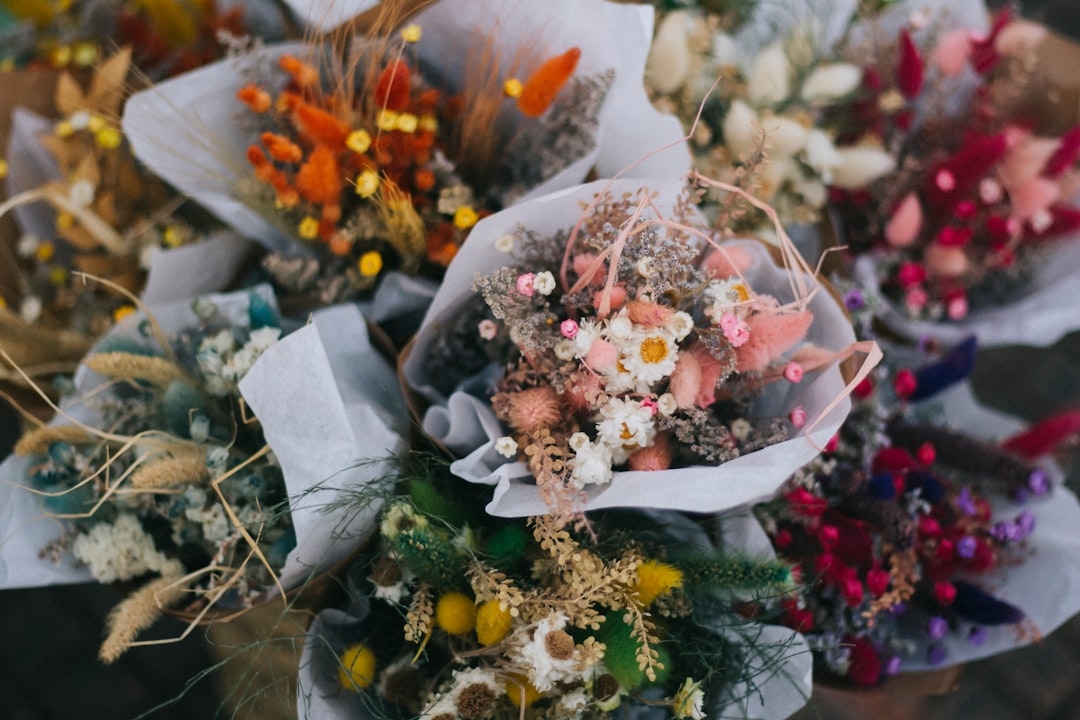
Dried flowers (pampas grass, dried eucalyptus, preserved roses) are genuinely trending in home décor right now, and they can look stunning in the right space. But they have real staging liabilities: they shed, they’re fragile, and they can read as dusty or aged in listing photos. They also don’t rebound from transport the way silk does. A dried pampas arrangement left in a staging kit for two weeks looks noticeably worse than when you first placed it.
Artificial silk arrangements, by contrast, are transport-durable, photography-stable, and consistent across multiple showings. They’re also easier to clean — a quick pass with compressed air or a soft brush is all it takes. For most staging situations, silk is the practical winner. Save dried florals for long-term décor in your own home, where you control the environment.
🌿 What the Pros Know
Professional stagers don’t just swap out tired arrangements — they build a floral kit. A well-stocked kit typically includes: 2–3 neutral orchid or rose arrangements for focal-point rooms, a set of buildable stems (like Afloral peonies) for flex rooms, and 4–6 budget accent stems for secondary spaces like laundry rooms and home offices. The kit travels with the stager from listing to listing. Total investment: $200–$350. Savings over fresh flowers across 10 listings: easily $800–$1,200. The kit pays for itself by the third job.
How to Choose the Right Artificial Arrangement for Your Staging Project
Match Scale to the Room
The single most common staging mistake with florals is scale. A 12-inch arrangement on a 9-foot dining table looks like an afterthought. A 30-inch arrangement on a side table looks overwhelming. A general rule: dining table centerpieces should be 18–24 inches tall, counter and console arrangements 14–18 inches, and bedroom or bath pieces 10–14 inches. When in doubt, go slightly larger — buyers respond better to confident scale than timid placement.
Choose Colors That Photograph, Not Just Look Good in Person
Staging is increasingly about listing photos — the National Association of Realtors reports that 95% of buyers use the internet in their home search, and listings with professional-quality photos receive significantly more clicks. Whites, creams, and blush pinks photograph cleanly under most lighting conditions. Deep reds and purples can look muddy in standard real estate photography. If your listing photographer uses flash, avoid high-contrast arrangements — the detail gets blown out and the arrangement reads as a white blob rather than a beautiful focal point.
Think About the Buyer Profile
Who’s most likely buying this home? A 1,200-square-foot starter home in a suburban neighborhood attracts different buyers than a 4,000-square-foot home in an established neighborhood. First-time buyers respond to warm, approachable arrangements — think peonies, wildflowers, sunflowers. Move-up buyers and luxury shoppers respond to refined, understated arrangements — orchids, ranunculus, white roses. Match your florals to your buyer, not just to your personal taste.
Don’t Forget the Vase
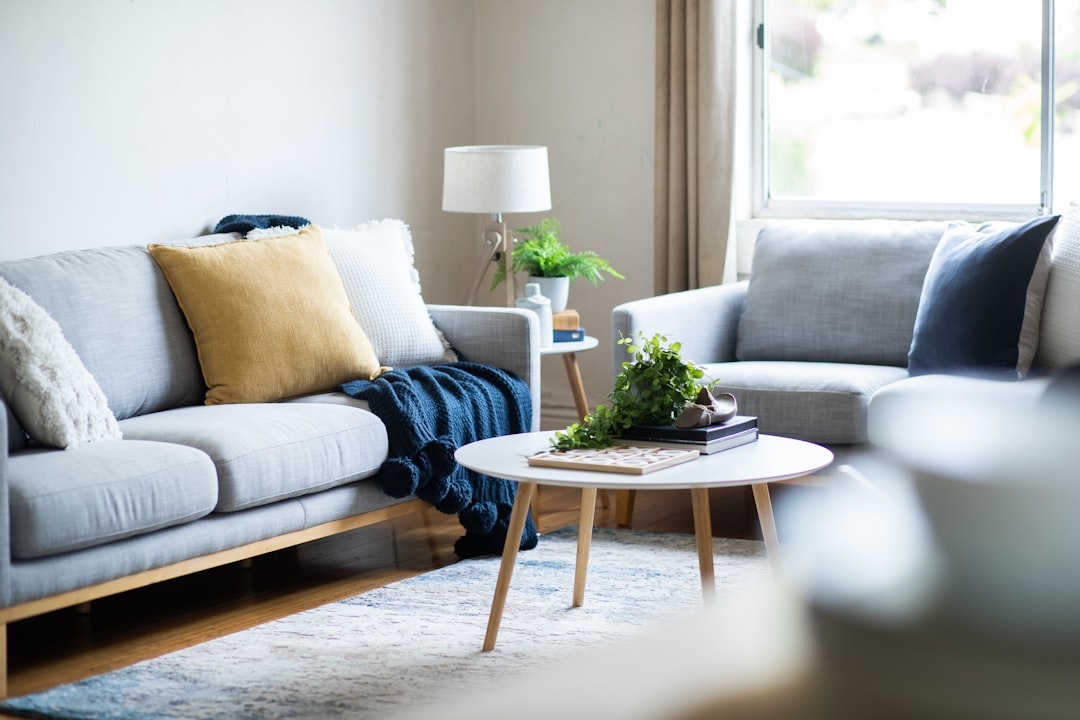
A $60 silk arrangement in a $5 plastic vase undermines the whole effect. A good staging vase doesn’t need to be expensive — HomeGoods, TJ Maxx, and Target all carry ceramic and glass vases in the $12–$25 range that elevate even mid-tier stems. Stick to neutral finishes: white ceramic, clear glass, matte black, or natural terracotta. Avoid anything metallic or highly patterned — it competes with the arrangement rather than supporting it.
Consider Reuse from Day One
If you’re staging more than one or two homes, buy with reuse in mind. Choose arrangements in neutral palettes that work across multiple spaces and price points. Avoid anything too trend-specific (like highly colored boho arrangements) that will feel dated in 18 months. The best artificial arrangements for staging are the ones you can pull out of a storage box two years from now and still deploy confidently.
Making Your Arrangements Last: Care and Storage Tips
Quality silk arrangements can last 3–5 years with proper care. A few rules that make a real difference:
- Store upright: Laying arrangements on their side in a box compresses and bends petals. Use tall plastic bins or wardrobe boxes to store them standing.
- Avoid prolonged sun exposure: Even UV-protected arrangements will fade if placed in direct sunlight for weeks at a time. Rotate or move them during extended listings.
- Dust monthly: A quick pass with a hair dryer on cool setting or compressed air removes dust that can dull color over time.
- Reshape after transport: Petals and leaves shift in transit. Spend 2–3 minutes reshaping each arrangement after moving it to a new listing — it’s the difference between “just pulled from storage” and “intentionally placed.”
Frequently Asked Questions
Can buyers tell if floral arrangements are fake during a home showing?
With quality silk arrangements, most buyers can’t tell from a normal viewing distance (3 feet or more). The key is choosing arrangements with realistic color variation and natural-looking stems, and placing them where buyers won’t lean in for a close inspection — entryway tables, dining tables, and kitchen counters are ideal. Avoid placing cheap artificial stems in intimate spaces like bathrooms where buyers stand directly over them.
What are the best artificial arrangements for staging a luxury home?
For luxury listings, prioritize brands like Pottery Barn, Balsam Hill, and Winward Silks — their premium silk and construction hold up to close scrutiny. Stick to refined color palettes (white, cream, blush, soft green) and choose arrangements in weighted vases that look and feel substantial. Budget at least $75–$120 per focal-point arrangement in a luxury home.
How many floral arrangements does a staged home typically need?
A standard 3-bedroom home typically benefits from 5–7 arrangements: one in the entryway, one on the dining table, one or two in the living room, one in the primary bedroom, and one in the primary bath. Secondary bedrooms and laundry rooms can use smaller accent stems. Over-staging with too many arrangements can feel cluttered — when in doubt, edit down.
Are artificial flowers worth it for a short-term listing?
Absolutely. Even a home that sells in the first week will typically have 2–3 showings and an open house before going under contract. Fresh flowers cost $40–$120 per arrangement and need replacing within 5–7 days. A quality artificial arrangement costs the same or less and requires zero maintenance. For any listing involving photography — which is every listing — artificial arrangements are the smarter investment.
What’s the best color for artificial staging arrangements?
White, cream, and soft blush are the most universally effective colors for staging. They photograph cleanly, pair with nearly any interior palette, and appeal to the broadest range of buyers. Green-forward arrangements (eucalyptus, herbs, mixed greenery) are a strong second choice for mid-market and contemporary listings. Avoid bold colors like red, orange, or deep purple unless the home’s palette specifically calls for it — strong color in florals can polarize buyers rather than draw them in.
Start with one or two quality pieces from the list above, test them across your next listing, and see how buyers respond. Most stagers who switch to a curated artificial floral kit never look back — and their flower budget thanks them every month.


Add Comment