Contents:
- 7 Types of Flower Arranging Workshops Near Me (Ranked and Compared)
- Local Florist Studio Workshops
- Botanical Garden and Arboretum Classes
- Craft Store Classes (Michaels, JoAnn, etc.)
- Community College and Continuing Education Programs
- Online Workshops and Video Courses
- Private and Corporate Event Workshops
- Farmers Market and Pop-Up Workshops
- Workshop Comparison: Cost, Skill Level, and Value at a Glance
- A Note on Regional Differences in Floral Workshop Culture
- The Seasonal Workshop Calendar: When to Book What
- How to Choose the Right Flower Arranging Workshop for You
- Define Your Goal First
- Check the Instructor’s Work, Not Just Their Bio
- Ask About the Flower-to-Greenery Ratio
- Class Size Matters More Than You Think
- Factor in What You’ll Actually Take Home
- Real Talk: What a Workshop Won’t Teach You (And What to Do About It)
- Where Exactly to Search for Flower Arranging Workshops Near Me
- Frequently Asked Questions About Flower Arranging Workshops
- How much do flower arranging workshops typically cost?
- Do I need any experience to attend a flower arranging workshop?
- What should I bring to a flower arranging workshop?
- How long does a typical flower arranging workshop last?
- Can I learn flower arranging online, or is in-person better?
- Your Next Step Starts This Weekend
Here’s a myth worth busting: flower arranging is a talent you either have or you don’t. Not true. Every professional florist you’ve ever admired learned their craft in a room just like the one you’re about to walk into — surrounded by buckets of blooms, a pair of snips, and someone willing to show them the ropes. The real question isn’t whether you can learn. It’s where to learn best.
Searching for flower arranging workshops near me returns a flood of options: craft stores, botanical gardens, boutique florists, and online platforms all competing for your time and money. Some are worth every penny. Others will have you spending $90 to hot-glue silk flowers onto a foam wreath. This guide cuts through the noise.
Below, you’ll find a ranked breakdown of the most common workshop types, what they actually cost, what you walk away with, and how to match your goals to the right class — whether you’re making your own wedding centerpieces or just want a creative Saturday outlet.
7 Types of Flower Arranging Workshops Near Me (Ranked and Compared)
1. Local Florist Studio Workshops
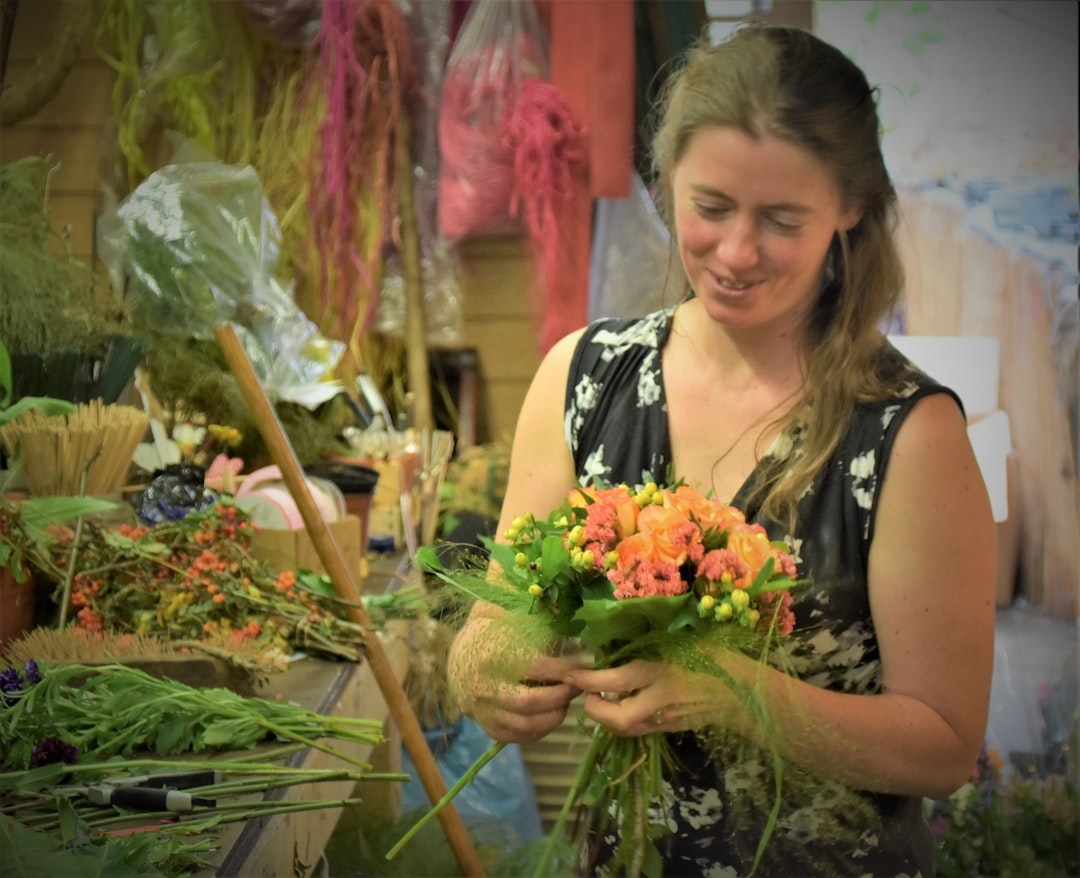
Independent florists who open their studios for hands-on classes are, without question, the gold standard for beginners. You’re learning from someone who does this professionally — not someone who read a book about it. Class sizes typically run 6–12 people, and most sessions last 2–3 hours. Pricing ranges from $65 to $120 per person, usually including all flowers and materials.
The real advantage here is access. You can ask your instructor why they’re choosing a particular stem, how they source locally in season, and what to do when your focal flower wilts before your event. Many florist-led workshops also let you take your finished arrangement home, which makes the price feel immediately justified. Look for these through Instagram — most boutique florists promote workshops heavily there — or through Eventbrite searches filtered by your city.
Best for: Absolute beginners, people planning a wedding or event, anyone who wants a tactile, guided experience.
2. Botanical Garden and Arboretum Classes
Botanical gardens are a sleeper hit for flower arranging education. Many people don’t realize that institutions like the Chicago Botanic Garden, the Brooklyn Botanic Garden, and the Huntington in San Marino, California, run structured floral design programs — not just one-off holiday workshops. Some offer multi-week certificate courses that go deep on design principles, color theory, and seasonal sourcing.
Costs vary widely. A single session might run $45–$85 for members, $60–$110 for non-members. Certificate programs can reach $300–$600 for a full series. The setting alone is inspiring — arranging flowers while surrounded by 10,000 species of living plants does something for your creativity that a craft store back room simply cannot replicate.
Best for: Intermediate learners, those interested in seasonal and sustainable floristry, and anyone seeking a multi-session curriculum.
3. Craft Store Classes (Michaels, JoAnn, etc.)
Budget-conscious? Craft store workshops are accessible, affordable, and available in almost every US zip code. Michaels’ “Make It” sessions and JoAnn’s in-store classes typically cost $20–$50 and run about 90 minutes. They’re well-suited for seasonal projects — think fall wreaths, holiday centerpieces, and Valentine’s Day bouquets.
The honest trade-off: you’re usually working with a mix of fresh, dried, and faux materials, and instruction depth is limited. These aren’t the classes that will teach you professional foam mechanics or hand-tied bouquet technique. But as a low-stakes introduction — or a fun afternoon for a group of friends — they deliver solid value. Check store websites directly for schedules, as classes aren’t always listed on third-party platforms.
Best for: Casual hobbyists, beginners on a tight budget, seasonal project makers.
4. Community College and Continuing Education Programs
This is one of the most underutilized options in the US floral education landscape. Hundreds of community colleges offer floral design courses through their continuing education or workforce development departments — and the pricing is hard to beat. A semester-long course (typically 8–16 weeks) can cost as little as $150–$350 total, compared to $100+ per individual workshop elsewhere.
Curriculum tends to be structured and comprehensive, covering everything from basic mechanics to corsages, sympathy arrangements, and event work. You’ll usually need to purchase your own flowers each week, which adds $15–$30 per session. The pacing is slower and more methodical than a single workshop, which works beautifully for people who want to genuinely develop a skill rather than just have a one-time experience.
Best for: Committed learners, aspiring hobbyist-to-professional transitions, budget-focused students with time flexibility.
5. Online Workshops and Video Courses
Online flower arranging education has matured significantly. Platforms like Skillshare, Creativebug, and dedicated florist websites now offer structured video courses that go well beyond YouTube tutorials. Some include live virtual sessions with Q&A. Pricing ranges from $10–$30 per month for subscription platforms to $75–$200 for standalone courses from professional florists.
The obvious limitation is that no one can correct your hand position through a screen. But the flexibility is genuine — you arrange on your own schedule, pause and rewind as needed, and source your own flowers from a local market. Sarah Ryhanen of Saipua Farm in New York has a well-regarded online course that covers her signature loose, garden-style aesthetic. Floret Farm’s online workshops sell out within hours and are worth joining the waitlist for.
Best for: Self-directed learners, rural residents with limited local options, those wanting to study a specific florist’s aesthetic.
6. Private and Corporate Event Workshops
Hen parties, corporate team-building events, and birthday celebrations have driven a surge in private workshop bookings. Many florists now offer dedicated private sessions for groups of 6–20 people, with pricing typically structured as a per-head rate of $75–$150, sometimes with a minimum group spend of $600–$800.
The format is social and fun rather than deeply educational — expect more champagne than critique. That’s not a knock; it’s just an honest framing. If you want to learn real technique, a small public class is better. If you want a memorable group activity where everyone goes home with a beautiful hand-tied bouquet, a private workshop is close to perfect. Most florists will customize the flower palette around a theme or color story.
Best for: Bachelorette parties, friend groups, corporate offsites, birthday celebrations.
7. Farmers Market and Pop-Up Workshops
Increasingly popular in warmer months, pop-up workshops at farmers markets and plant fairs bring something uniquely local to the table: the flowers you’re arranging were often grown within 50 miles of where you’re sitting. These sessions run short — usually 60–90 minutes — and cost $35–$70. They’re informal, seasonal, and highly dependent on your region.
In the Pacific Northwest, look for these at Saturday markets from April through October. In the South, spring pop-ups often appear as early as February. Northeast markets tend to concentrate workshops between May and September. Following local flower farms on Instagram is the most reliable way to catch these — they rarely advertise far in advance. The seasonal immediacy makes these workshops genuinely special: you’re working with whatever’s at peak bloom that specific week.
Best for: Seasonal hobbyists, local flower enthusiasts, anyone who loves market culture and wants a casual, community-oriented experience.
Workshop Comparison: Cost, Skill Level, and Value at a Glance
| Workshop Type | Avg. Cost | Skill Level | Takes Arrangement Home? | Best Value For |
|---|---|---|---|---|
| Local Florist Studio | $65–$120 | Beginner–Intermediate | Yes | Hands-on learning, real technique |
| Botanical Garden | $45–$110 / session | Beginner–Advanced | Usually yes | Multi-week programs, inspiration |
| Craft Store | $20–$50 | Beginner | Yes | Budget entry point |
| Community College | $150–$350 / semester | Beginner–Intermediate | Yes (weekly) | Structured skill development |
| Online Course | $10–$200 | All levels | N/A | Flexibility, rural access |
| Private/Corporate | $75–$150/head | Any | Yes | Group events, social experience |
| Farmers Market Pop-Up | $35–$70 | Beginner | Yes | Seasonal, local flower lovers |
A Note on Regional Differences in Floral Workshop Culture
Where you live shapes what’s available — and what’s worth your time. The Northeast (particularly New York, Boston, and Philadelphia) has the densest concentration of professional florist-led workshops, often tied to a strong event and wedding industry that keeps instructors sharp and current. Expect higher prices but genuinely high production value.
In the South, particularly in cities like Charleston, Nashville, and Atlanta, workshops tend to lean into garden-style and romantic aesthetics. There’s also a strong church-flower and event-flower tradition that means community college programs here are often particularly well-developed. Texas, especially the Hill Country, has a booming flower farm scene that makes farm-to-vase pop-up workshops unusually accessible.
The West Coast — Seattle, Portland, and the Bay Area — is where you’ll find the most emphasis on sustainable, locally grown, and seasonally driven floristry. Many workshops here explicitly teach foraging ethics and work exclusively with American Grown certified stems. Southern California, meanwhile, skews toward the architectural and sculptural end of floral design, reflecting its connection to the fashion and entertainment industries.
If you’re in the Midwest or rural areas, online platforms and community college programs often offer the most reliable access to quality instruction. Don’t overlook extension programs through land-grant universities — some, like those affiliated with Iowa State or Purdue, have surprisingly robust horticultural and floral design programming.
The Seasonal Workshop Calendar: When to Book What
Timing your enrollment around the floral calendar isn’t just about availability — it directly affects what you’ll learn and which flowers you’ll work with. Here’s a practical seasonal breakdown:
- January–February: Holiday recovery means fewer pop-ups, but Valentine’s Day workshops proliferate from late January onward. Great time to find discounted spots at florist studios. Tulips and ranunculus dominate.
- March–April: Spring is peak booking season. Botanical garden programs launch their new series; farmers market pop-ups begin in the South and West Coast. Peonies, sweet peas, and lilacs make appearances.
- May–June: The busiest workshop season nationwide, driven by wedding prep, Mother’s Day, and graduation season. Book at least 3–4 weeks ahead. Expect peony, garden rose, and dahlia-forward arrangements.
- July–August: Sunflower and zinnia season. Farm-based workshops peak. Heat in Southern states can limit fresh flower work — look for morning sessions.
- September–October: Fall workshops are visually stunning and often the most photographed. Dahlias, celosias, and dried grasses dominate. Community college fall semesters begin — ideal time to enroll in a longer program.
- November–December: Holiday wreath and centerpiece workshops are everywhere. High demand means early sellouts. Book November workshops by mid-October.
How to Choose the Right Flower Arranging Workshop for You
Define Your Goal First
A workshop that’s perfect for someone planning their own wedding flowers is completely wrong for someone who wants to eventually sell arrangements at markets. Get specific. Are you after a fun afternoon out? Serious skill development? A specific aesthetic style? The answer changes everything about which type of class you should book.
Check the Instructor’s Work, Not Just Their Bio
Look at the instructor’s Instagram or website portfolio. Do their arrangements look like the work you want to make? A florist who specializes in minimalist ikebana-inspired work will teach you differently than one known for lush, overflowing garden-style bouquets. Neither is better — but fit matters enormously. If a workshop listing doesn’t link to the instructor’s work, ask before booking.
Ask About the Flower-to-Greenery Ratio
This is a surprisingly revealing question. Workshops that use a high proportion of fillers and greenery relative to premium blooms are often managing costs on your behalf. A $75 session built around five stems of spray roses and a lot of eucalyptus is a different experience than one where you’re working with garden roses, dahlias, and ranunculus. Ask what flowers will be provided — any confident instructor will tell you.
Class Size Matters More Than You Think
For genuine learning, aim for classes of 10 or fewer. Above 12 students, instructors physically cannot circulate enough to give individual feedback. One reader, Maria from Austin, Texas, described spending $95 on a workshop where the instructor spent the entire session at the demonstration table and never once looked at her arrangement. Small class sizes are worth paying a premium for — the difference between 8 students and 20 students is the difference between a lesson and a performance.
Factor in What You’ll Actually Take Home
A $120 workshop where you take home a $60 arrangement of fresh seasonal blooms has a very different effective cost than a $50 class where you take home a small posy of carnations. Think of it as the net educational and material value, not just the ticket price.
Real Talk: What a Workshop Won’t Teach You (And What to Do About It)
Even the best single workshop has limits. You’ll get a feel for the mechanics — stem cutting angles, floral foam vs. chicken wire, the spiral hand-tied technique — but building a real eye for composition takes repetition. Professional floral designers typically cite 18–24 months of consistent practice before arrangements start feeling intuitive rather than effortful.
The most effective learners pair workshop attendance with weekly practice at home. Buy a $15–$25 mixed bunch from a grocery store or farmers market every week and arrange it without a tutorial. Photograph it. Notice what works. This kind of low-stakes repetition accelerates skill development faster than any single course can.
Joining a local garden club or floral design guild also pays dividends. The American Institute of Floral Designers (AIFD) has chapters in most major US cities and hosts events, demonstrations, and educational programming that complements formal workshop learning beautifully.
Where Exactly to Search for Flower Arranging Workshops Near Me
Beyond generic Google searches, these platforms consistently surface high-quality local options:
- Eventbrite — Filter by “Classes & Workshops” and “Food & Drink” (floral workshops often land here). Search your city name plus “floral” or “flower arranging.”
- Airbnb Experiences — Many boutique florists list workshops here, and reviews are robust enough to vet quality quickly.
- ClassPass — Expanding beyond fitness into creative workshops; floral classes are now listed in several major cities.
- Instagram local search — Search your city hashtag plus #floralworkshop or #flowerclass. This surfaces pop-ups and boutique offerings that never appear on major platforms.
- Your local botanical garden’s website — Always check directly; their education calendars aren’t always picked up by aggregators.
- Community college continuing education catalogs — Search “[your city] community college continuing education floral design.”
Frequently Asked Questions About Flower Arranging Workshops
How much do flower arranging workshops typically cost?
Flower arranging workshop prices in the US range from $20 for craft store sessions to $150+ per person for private boutique experiences. The most common price point for a quality 2–3 hour workshop with a professional florist, including all materials, is $65–$120. Multi-week community college courses offer the best per-session value at roughly $15–$25 per class.
Do I need any experience to attend a flower arranging workshop?
No prior experience is needed for the vast majority of beginner and intermediate workshops. Most instructors design sessions specifically for first-timers. Simply mention your experience level when booking — most florists will confirm whether a class is appropriate or steer you toward a better fit.
What should I bring to a flower arranging workshop?
Most workshops provide all flowers, vessels, and tools. Wear clothes you don’t mind getting wet or stained — flower stem sap and floral dye can mark fabric. Bring a tote bag to carry your arrangement home safely. A notebook is useful for recording stem names, ratios, and technique notes you’ll want to reference later.
How long does a typical flower arranging workshop last?
Most single-session workshops run 2–3 hours. Pop-up market workshops are shorter, typically 60–90 minutes. Full-day immersive workshops (4–6 hours) are available through some boutique florists and botanical gardens, usually at a higher price point of $150–$250. Community college courses meet weekly for 2–3 hours per session over 8–16 weeks.
Can I learn flower arranging online, or is in-person better?
Both formats work — they just serve different goals. In-person workshops give you real-time feedback, tactile learning, and the sensory experience of working with fresh flowers. Online courses offer flexibility and access to instructors whose specific aesthetic you admire, regardless of geography. For pure skill-building from scratch, in-person is faster. For studying a particular style or supplementing existing skills, online courses are genuinely effective.
Your Next Step Starts This Weekend
Open Eventbrite or Instagram right now and search for flower arranging workshops in your city. If nothing comes up that excites you, check your nearest botanical garden’s education calendar — most post their spring and fall programming by early January and August respectively. If you’re ready to commit to real skill development, pull up your community college’s continuing education catalog and look for a fall or spring floral design enrollment.
The best arrangement you’ll ever make is the one you haven’t tried yet. Give yourself a Saturday morning, a good instructor, and a pair of snips — and see what happens.

Add Comment