Contents:
- What Makes a Resin Kit Good for Flower Jewelry Specifically?
- The 7 Best Resin Kits for Flower Jewelry in 2026
- Quick Comparison: Best Resin Kits for Flower Jewelry at a Glance
- How to Choose the Right Resin Kit for Flower Jewelry
- Consider Pour Depth First
- Match UV Resistance to How the Jewelry Will Be Worn
- Factor in Your Working Style
- Think About the Full Cost, Not Just the Kit Price
- Sustainability Considerations
- Preparing Your Flowers: The Step That Determines Success
- Common Mistakes to Avoid with Flower Resin Jewelry
- Frequently Asked Questions About Resin Kits for Flower Jewelry
- What is the best resin kit for flower jewelry for beginners?
- How long do resin flower jewelry pieces last?
- Can I use any epoxy resin for flower jewelry?
- Is resin jewelry safe to wear?
- Do I need to seal flowers before putting them in resin?
- Your Next Pour, Better Than the Last
Choosing the best resin kit for flower jewelry is harder than it looks — and if you’ve already wasted $30 on a kit that turned yellow in two weeks, you know exactly what this article is here to fix. Epoxy resin is chemistry, not craft magic, and matching the right formula to your flowers makes the difference between a keepsake and a disappointment.
This guide ranks the top resin kits available in 2026 based on optical clarity, cure time, UV resistance, safety profile, and real-world value for money. Whether you’re pressing wedding bouquet petals or preserving garden roses, there’s a kit here for your budget and skill level.
Reader Story: A hobbyist in Portland named Marisol spent three months perfecting pressed pansy pendants — only to have her first batch cloud over after a week in a sunny window. She’d used a general-purpose casting resin not formulated for thin jewelry applications. Switching to a UV-stabilized, low-viscosity formula designed for shallow pours (under 3mm) solved the problem immediately. Her pieces are now sold at a local farmers market. The resin kit was the variable she hadn’t taken seriously enough.
What Makes a Resin Kit Good for Flower Jewelry Specifically?
Not all epoxy resin behaves the same. Flower jewelry involves thin casting depths (typically 1–6mm), translucent or semi-transparent botanicals, and prolonged UV exposure when worn. A resin optimized for tabletops or river pours will likely yellow, shrink, or trap air bubbles around delicate petals. You need low viscosity (under 1,000 cps) to flow around fine structures, a high UV inhibitor concentration, and a Shore D hardness of at least 75 for durability on a wearable piece.
Cure time matters too. Fast-cure resins (under 12 hours) tend to generate more heat during the exothermic reaction, which can damage dried flowers or create yellowing at the center of thicker pours. For jewelry, a slower 24–48 hour cure at room temperature often yields clearer, more archival results.
🔬 What the Pros Know: Professional botanical jewelers often do a two-stage pour — filling the mold halfway, letting it gel to a honey consistency (about 60–70% cure), then placing the dried flower and topping off. This prevents petals from floating or sinking and eliminates the “floating specimen” problem that plagues beginners. Look for resins with a gel time of 45–90 minutes for best control during this technique.
The 7 Best Resin Kits for Flower Jewelry in 2026
-
1. ArtResin Epoxy Resin — Best Overall for Clarity and Safety
Price: ~$35–$55 for 32 oz kit | Mix Ratio: 1:1 by volume | Cure Time: 24 hours touch-dry, 72 hours full cure
ArtResin is the most frequently recommended epoxy resin among professional jewelry artists, and the reasons are specific: it’s formulated with built-in UV and HALS (hindered amine light stabilizers) inhibitors, which dramatically slow the yellowing process compared to generic craft resins. It carries a non-toxic, non-hazardous certification under ASTM D-4236, meaning no special ventilation is required during normal use — a genuine advantage for home studios. The viscosity sits around 800 cps, low enough to flow into fine floral details without trapping air. The 1:1 mix ratio reduces measuring errors for beginners. The main drawback: it’s one of the pricier options per ounce, and the 32 oz kit may be more than a casual crafter needs. For pressed flower pendants and ring blanks, this is the closest thing to a professional standard available at a consumer price point.
Best for: Beginners wanting professional results; gift jewelry; UV-exposed pieces
-
2. Amazing Clear Cast Epoxy — Best Budget Pick for High Volume
Price: ~$22–$28 for 32 oz | Mix Ratio: 1:1 by volume | Cure Time: 16–24 hours
Amazing Clear Cast punches above its price class. It’s a slightly thinner viscosity than ArtResin (approximately 650 cps), which makes it excellent for molds with intricate floral details. The clarity straight out of the mold is genuinely impressive — most casters report minimal sanding needed on flat-back cabochons. The caveat is UV resistance: this formula has fewer UV stabilizers than premium options, so pieces worn in direct sunlight daily may show subtle amber tinting within 6–12 months. For indoor display jewelry, memorial pieces kept out of sunlight, or artists who apply a UV-protective topcoat anyway, this limitation becomes essentially irrelevant. At roughly $0.70 per ounce, it’s one of the most cost-effective options for anyone making resin jewelry in bulk quantities — think craft fair inventory or Etsy shop production runs.
Best for: High-volume production; indoor or low-UV jewelry; budget-first crafters
-
3. EnviroTex Lite Pour-On Resin — Best for Self-Leveling Flat Pieces
Price: ~$18–$25 for 32 oz | Mix Ratio: 1:1 by volume | Cure Time: 8–10 hours
EnviroTex Lite was originally designed for bar tops and photo coatings, but its self-leveling properties translate surprisingly well to open-face flower jewelry — think resin trays, pressed flower bookmarks with jewelry bails, or flat pendant blanks where you’re pouring over a pre-arranged botanical design. At roughly 500 cps, it’s among the thinnest epoxy formulas in this category, meaning it flows beautifully around pressed flowers without disturbing their arrangement. The faster 8–10 hour cure time is convenient but requires more controlled ambient temperature (ideally 70–75°F). Below 65°F, the cure slows dramatically and can produce a permanently tacky surface. One sustainability note: EnviroTex is manufactured to comply with EPA air quality standards and has low VOC emissions, making it a slightly greener choice than solvent-heavy alternatives.
Best for: Flat, open-face flower jewelry; warm climate studios; quick-turnaround projects
-
4. Let’s Resin UV Resin Kit — Best for Quick One-Layer Pieces
Price: ~$15–$22 for starter kit with UV lamp | Cure Method: UV lamp (36W recommended) | Cure Time: 2–5 minutes per layer
UV resin is a fundamentally different chemistry from two-part epoxy, and it has specific advantages for flower jewelry. Because it cures only when exposed to UV light, you have unlimited open working time — you can arrange petals, adjust compositions, and perfect your design before committing to a cure. This makes it ideal for beginners who need time to work. The tradeoff: UV resin cures in thin layers only (typically under 2mm per pass), so thicker domed pieces require multiple cure cycles. The Let’s Resin starter kit includes a 36W UV lamp, which is the minimum wattage for reliable full cures; cheaper kits with 9W lamps often leave soft spots at depth. The resin itself is notably high-gloss and scratch-resistant when fully cured. Not recommended for deeply domed bezels or pieces thicker than 4mm total — use two-part epoxy for those.
Best for: Thin overlay pieces; beginners; artists who prefer unlimited working time
-
5. Alumilite Amazing Clear Cast Plus — Best for Archival and Heirloom Jewelry
Price: ~$30–$40 for 32 oz | Mix Ratio: 1:1 by volume | Cure Time: 24–36 hours
Alumilite’s “Plus” formula is the upgraded version of Amazing Clear Cast, now with enhanced UV inhibitors and a marginally higher Shore D hardness (~82 vs. ~78) for superior scratch resistance. The difference between this and the standard formula becomes apparent at 12–18 months: test pieces left in a south-facing window showed significantly less amber shift in the Plus formula. For wedding bouquet preservation — the kind of piece that needs to look identical in 25 years — that long-term stability matters enormously. The mix ratio is still a forgiving 1:1, and the viscosity (approximately 700 cps) handles delicate dried botanicals well. It costs slightly more per ounce than Amazing Clear Cast, but for heirloom-quality work, the upgrade is justified. This is also a good choice for memorial jewelry made from funeral flowers, where permanence carries emotional weight.
Best for: Wedding and memorial jewelry; long-term archival quality; heirloom pieces
-
6. Puduo Crystal Clear Epoxy Resin — Best Entry-Level Kit Under $20
Price: ~$14–$18 for 300g kit | Mix Ratio: 2:1 by weight | Cure Time: 24 hours
Puduo is a Chinese-manufactured resin that has gained a solid following among beginners on a strict budget, and it earns its reputation for the price tier. At under $18 for a 300g kit, it’s accessible to anyone testing the craft for the first time. Clarity is good for the price — not at ArtResin levels, but significantly better than off-brand general-purpose resins. The 2:1 mix ratio by weight does require a small kitchen scale (not included), which is an extra $10–$15 investment but one that improves accuracy considerably over volume-based measuring. UV stability is modest — plan on a UV-resistant topcoat if pieces will see regular sunlight. The kit includes gloves and mixing sticks, which is genuinely helpful for absolute beginners. Not suitable for professional production, but an excellent learning resin where mistakes are cheap.
Best for: First-time resin crafters; experimentation; children’s craft projects with supervision
-
7. Pro Marine Supplies Crystal Clear Epoxy — Best for Deep Pour Flower Specimens
Price: ~$45–$60 for 1-gallon kit | Mix Ratio: 1:1 by volume | Cure Time: 72 hours full cure
Most flower jewelry involves shallow pours, but some designs — encapsulated whole-blossom pendants, specimen-style botanical resin blocks cut into slices — require deeper pours of 6mm or more. Pro Marine Supplies is engineered for exactly this: pours up to 2 inches deep per layer with minimal heat buildup and exceptional clarity. The slow 72-hour cure is actually an asset here, reducing exothermic heat that can brown or shrink delicate petals. It’s overkill for simple 2mm cabochons, but for complex 3D floral specimens or statement jewelry featuring whole dried blooms, no other consumer-grade resin in this price range matches its performance. The gallon size also makes it the best value-per-ounce option ($0.35–$0.45/oz) for artists with high output. One eco-note: the larger format packaging means less plastic waste per ounce of resin produced — a small but real sustainability win.
Best for: Deep-pour specimens; whole-blossom encapsulation; high-volume professional artists
Quick Comparison: Best Resin Kits for Flower Jewelry at a Glance
| Kit | Price (32oz equiv.) | UV Resistance | Cure Time | Best For |
|---|---|---|---|---|
| ArtResin | ~$45 | Excellent | 72 hrs full | Overall best; beginners |
| Amazing Clear Cast | ~$25 | Moderate | 16–24 hrs | Budget; high volume |
| EnviroTex Lite | ~$22 | Moderate | 8–10 hrs | Flat pieces; fast turnaround |
| Let’s Resin UV Kit | ~$20 (starter) | Good (UV-cured) | 2–5 min/layer | Thin overlays; beginners |
| Alumilite Clear Plus | ~$35 | Very Good | 24–36 hrs | Heirloom; archival quality |
| Puduo Crystal Clear | ~$22 (equiv.) | Basic | 24 hrs | First-timers; learning |
| Pro Marine Supplies | ~$14 (gallon equiv.) | Good | 72 hrs | Deep pour; specimens |
How to Choose the Right Resin Kit for Flower Jewelry
The comparison table above gives you the quick view. Here’s how to apply those data points to your actual situation.
Consider Pour Depth First
This is the single most important technical variable. Thin jewelry (under 3mm) works with virtually any low-viscosity resin — UV resin, ArtResin, Amazing Clear Cast. Deep encapsulation of whole flowers (6mm+) narrows your options significantly: use Pro Marine Supplies or another deep-pour formula. Using a standard epoxy in a deep mold generates excess heat that yellows the piece from the inside out, sometimes irreversibly within a few hours of pouring.
Match UV Resistance to How the Jewelry Will Be Worn
Ask yourself honestly: will this piece live in a drawer, under clothing, or outside in the sun? Outdoor jewelry — garden party accessories, festival wear, everyday rings — needs ArtResin or Alumilite Plus for their superior HALS-based UV inhibition. Jewelry that stays indoors or in a box can tolerate moderate UV resistance without visible degradation over a typical 3–5 year horizon.
Factor in Your Working Style
Slow, methodical arrangers benefit enormously from UV resin’s indefinite working time. Confident pourers who work quickly will find two-part epoxy easier — once mixed, the gel window of 45–90 minutes is more than enough. If you frequently work in a cold garage or unheated studio during winter months (below 65°F), avoid fast-cure resins; temperature sensitivity is a real failure mode, not a theoretical one.
Think About the Full Cost, Not Just the Kit Price
A $14 resin kit that requires a $12 scale, $8 UV topcoat, and produces 40% rejects from bubbles or yellowing costs more than a $45 kit that requires none of those additions. Calculate cost-per-successful-piece, not cost-per-ounce. For most hobbyists making 10–20 pieces per month, ArtResin or Alumilite Plus delivers the best total economics despite the higher upfront price.
Sustainability Considerations
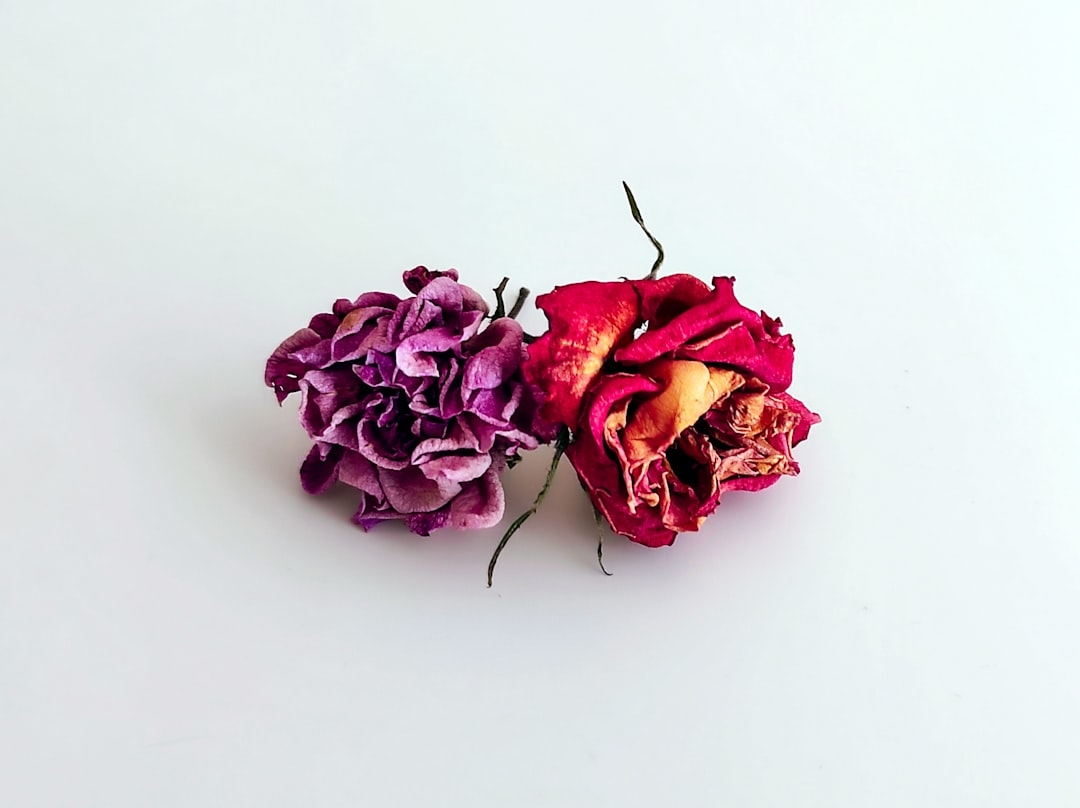
Epoxy resin is a thermoset plastic — once cured, it cannot be melted down or recycled through standard channels. This is a genuine environmental limitation of the medium. Choosing kits with lower VOC emissions (EnviroTex Lite, ArtResin) reduces air quality impact during production. Buying in larger formats (gallon kits) reduces packaging waste per ounce. Using sustainably harvested dried botanicals — flowers from your own garden, locally pressed wildflowers, or USDA-certified organic farms — means the botanical component of your jewelry has a reduced environmental footprint even if the resin itself doesn’t.
Preparing Your Flowers: The Step That Determines Success
No resin kit — not even the most expensive — can rescue insufficiently dried flowers. Moisture is the enemy of clarity. Fresh flowers embedded in resin release water vapor during cure, causing permanent cloudiness, bubble trails, and microbial growth inside the piece. Flowers must be dried to under 10% moisture content before encapsulation.
The two most reliable drying methods for jewelry-scale botanicals are silica gel drying (48–72 hours, preserves color best) and microwave-press drying with a dedicated flower press (8–15 minutes total for thin petals). The classic air-press method works but can take 2–4 weeks and often results in color fading in high-humidity climates (above 60% relative humidity, common in the Southeast and Midwest). A $12 bag of silica gel crystals is one of the highest-ROI supplies in this craft.
Common Mistakes to Avoid with Flower Resin Jewelry
- Skipping the mold release: Even “flexible” silicone molds benefit from a light spray of mold release on first use. Pieces can bond permanently to rigid molds without it.
- Mixing by eye: Off-ratio mixing — even by 5% — causes permanent tackiness, cloudiness, or soft spots. Use a scale or graduated mixing cups. This is non-negotiable with 2:1 ratio resins.
- Pouring in cold temperatures: Resin should be stored at 75–80°F before use. Warming resin bottles in a warm water bath (not boiling — never above 120°F) for 10 minutes before mixing reduces viscosity and bubble formation significantly.
- Rushing demolding: “Touch-dry” is not “fully cured.” Removing a piece from the mold at 16 hours when the manufacturer recommends 72 hours full cure can result in warping, fingerprinting, or a permanently soft underside.
- Using undried flowers: As above — this is the single most common cause of cloudy inclusions. Verify dryness by pressing flower tissue gently between paper towels: zero moisture transfer means zero moisture content.
Frequently Asked Questions About Resin Kits for Flower Jewelry
What is the best resin kit for flower jewelry for beginners?
ArtResin is the top recommendation for beginners because of its 1:1 mix ratio, non-toxic certification, and built-in UV stabilizers that protect against yellowing even if cure conditions aren’t perfect. The Let’s Resin UV kit is a close second if you prefer unlimited working time to arrange your botanicals before committing to a cure.
How long do resin flower jewelry pieces last?
With a UV-stabilized resin (ArtResin, Alumilite Plus) and properly dried flowers, resin jewelry can maintain optical clarity and color for 10–25 years under normal indoor conditions. Pieces worn in direct daily sunlight will show amber tinting sooner — typically within 2–5 years — regardless of resin quality. Applying a UV-protective jewelry topcoat adds another layer of protection.
Can I use any epoxy resin for flower jewelry?
No. General-purpose construction epoxies, marine epoxies, and thickened structural adhesives are too viscous and reactive for delicate botanicals. Jewelry-grade resins are specifically formulated with low viscosity (under 1,000 cps), UV inhibitors, and controlled exothermic reactions to protect fragile floral inclusions. Using the wrong resin type is the most common cause of brown, cloudy, or brittle jewelry results.
Is resin jewelry safe to wear?
Fully cured epoxy resin is chemically inert and safe for most skin contact. The safety concern exists during mixing and pouring — uncured resin components are skin sensitizers and should be handled with nitrile gloves and in ventilated spaces. ArtResin is the only kit in this list certified non-hazardous under ASTM D-4236, making it the safest option during the crafting process. After full cure (typically 72 hours), all formulas listed here are safe to wear.
Do I need to seal flowers before putting them in resin?
For most thoroughly dried flowers, sealing is optional. However, flowers with dyes that may bleed (blue hydrangeas, deep red roses) benefit from a thin coat of Mod Podge or clear acrylic spray before encapsulation. This prevents color migration into the surrounding resin, which appears as a hazy discoloration radiating from the petals. Apply sealant to fully dried flowers, allow 24 hours to cure completely, then embed in resin.
Your Next Pour, Better Than the Last
Resin flower jewelry sits at a genuinely interesting intersection — it’s part chemistry, part botany, part design. Getting the kit right removes the biggest source of failure before you even pick up a mixing cup. Start with ArtResin if budget allows. Start with Puduo if it doesn’t. Add silica gel to your toolkit regardless. Master the two-stage pour technique early. Your second batch will be dramatically better than your first, and your tenth will be better still.
The flowers themselves are irreplaceable — but the resin you choose determines whether they stay that way.



Add Comment