Contents:
- Why Copper? A Quick Case for the Material
- The Best Copper Watering Cans: Our Top Picks
- Haws Watering Can — Handy Indoor Copper (1 Liter) — Best Overall for Apartments
- Tierra Garden Haws Copper Watering Can (2.1 Liter) — Best Mid-Size Pick
- Esschert Design Copper-Finish Watering Can — Best Budget Entry
- G&F Products Pure Copper Watering Can (1.3 Liter) — Best for Gifting
- Bparticipates Hammered Copper Watering Can (2 Liter) — Best for Balcony Gardeners
- Cado Motus Copper Watering Can (0.5 Liter) — Best for Tiny Collections
- Quick Comparison: Best Copper Watering Cans at a Glance
- A Note on Regional Differences: Northeast vs. West Coast vs. the South
- How to Choose the Right Copper Watering Can for Your Space
- Start With Capacity, Not Aesthetics
- Spout Length and Shape Matter More Than You Think
- Gauge the Copper Thickness
- Consider Storage
- A Reader Story Worth Sharing
- Common Mistakes to Avoid With Copper Watering Cans
- Budget Breakdown: What to Expect at Each Price Point
- Caring for Your Copper Watering Can
- Frequently Asked Questions About Copper Watering Cans
- Are copper watering cans safe to use on edible plants?
- Will a copper watering can change the pH of my water?
- How long does a solid copper watering can last?
- What size copper watering can is best for a small apartment?
- Can I use a copper watering can outdoors?
- Making Your Choice — and Getting Started
Copper watering cans have been a fixture in European kitchen gardens since at least the 17th century — Dutch and English estate gardeners favored them specifically because copper’s natural antimicrobial properties helped suppress algae and certain waterborne pathogens in the can itself. That’s not just horticultural trivia. It means the best copper watering can isn’t merely a decorative object — it’s a genuinely thoughtful tool with centuries of practical logic behind it. And for apartment dwellers watering a windowsill herb garden, a few prized houseplants, or a compact balcony container display, that combination of beauty and function matters enormously.
Small-space gardening has its own distinct set of needs. You probably don’t want a 3-gallon beast sitting in the corner of your studio. You want something that stores gracefully, pours precisely, and looks good enough to leave out on the shelf. Copper delivers on all three — if you pick the right one.
This guide covers the top copper watering cans available in the US market right now, with honest assessments of what each does well, where it falls short, and exactly who it’s best suited for.
Why Copper? A Quick Case for the Material
Before the product picks, a little context. Copper is heavier than plastic and more expensive than galvanized steel, so it helps to know what you’re actually paying for. Beyond the antimicrobial angle, copper is extremely durable — a well-made copper can, properly dried between uses, can last 20 to 30 years without rusting. It also develops a natural patina over time that many gardeners find deeply appealing: that warm greenish-brown oxidation that signals a tool with history.
Copper conducts temperature efficiently, which means water stored in a copper can in a cool room stays closer to ambient room temperature — better for sensitive tropical houseplants than water that’s been sitting in a plastic container in a warm kitchen. It’s a small advantage, but real. For apartment gardeners caring for finicky plants like orchids, African violets, or maidenhair ferns, every marginal improvement counts.
“Copper watering cans are one of those tools where the aesthetic and the functional genuinely align. The long, narrow spout common to copper designs gives you much better placement control than a standard plastic can — which really matters when you’re watering delicate seedlings or trying to avoid wetting the crown of a plant.”
— Margaret Holloway, Certified Professional Horticulturist and owner of Holloway Urban Greens, Portland, OR
The Best Copper Watering Cans: Our Top Picks
1. Haws Watering Can — Handy Indoor Copper (1 Liter) — Best Overall for Apartments
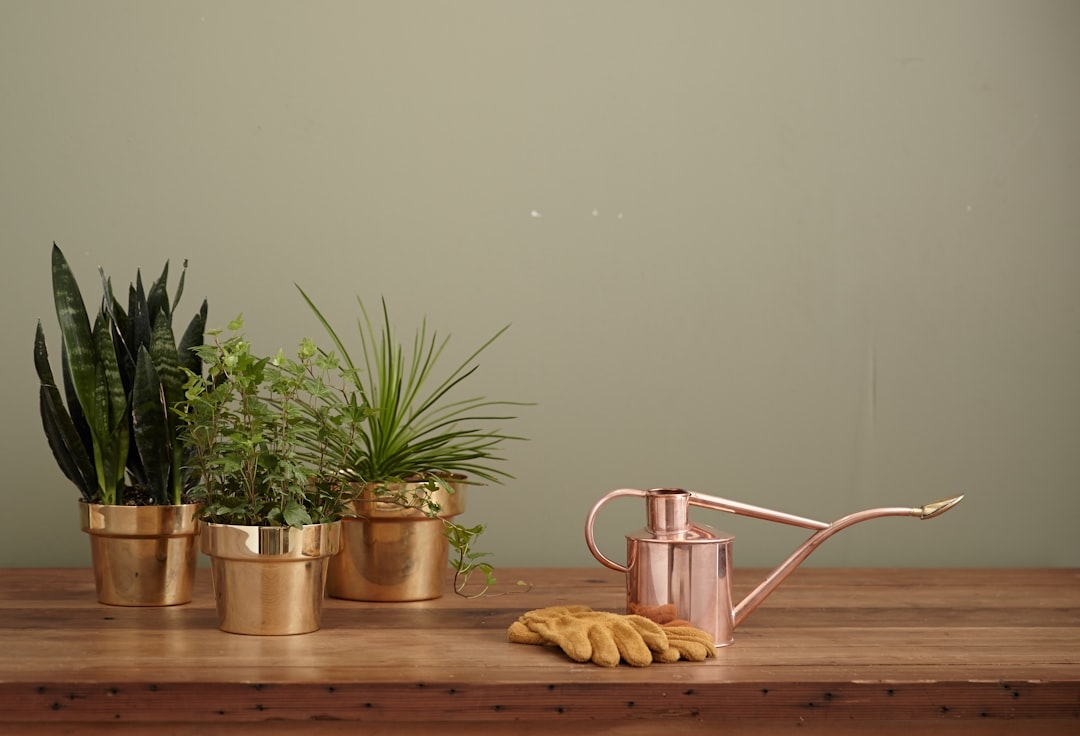
Haws has been making watering cans in England since 1886, and this 1-liter copper model is their apartment gardener’s answer to the question: how small is small enough without being useless? At just under 10 inches long and weighing about 1.2 lbs empty, it sits comfortably on a kitchen shelf between uses. The brass oval rose (the sprinkler head) produces a famously gentle, even spray — perfect for seedlings, herbs, and moisture-sensitive houseplants. The spout is long and slightly upturned at the tip, giving you precise control when watering tight clusters of plants on a windowsill.
Build quality is exceptional. The copper is hand-soldered, the seams are clean, and the balance when full is noticeably better than most competitors at this size. At $65–$80, it’s an investment, but it’s also the kind of can your grandchildren will inherit. The 1-liter capacity means more trips to the tap for larger collections — but for a studio apartment with 10 to 15 plants, it’s genuinely ideal.
- Capacity: 1 liter (~0.26 gallons)
- Best for: Windowsill herbs, small houseplants, seedling trays
- Price range: $65–$80
- Made in: England
2. Tierra Garden Haws Copper Watering Can (2.1 Liter) — Best Mid-Size Pick
Step up to Haws’ 2.1-liter copper model and you get the same legendary craftsmanship with enough volume to water a full balcony container garden in one or two refills rather than five. It includes both a fine brass rose for delicate watering and a plain spout for deeper root watering — two tools in one. The elongated spout (approximately 14 inches) makes it easy to reach plants at the back of a shelf or deep in a hanging planter without disturbing everything in front.
This is the model most frequently recommended in horticultural circles for indoor-outdoor hybrid gardeners — people who have a few outdoor planters on a balcony plus a collection of indoor tropicals. The weight when full (just over 5 lbs) is manageable for most adults, though anyone with wrist or grip issues may find the 1-liter version more comfortable for daily use. Budget $90–$110 for this one. That’s the sweet spot for quality-to-volume ratio in the copper can category.
- Capacity: 2.1 liters (~0.55 gallons)
- Best for: Mixed indoor/balcony collections, 15–30 plants
- Price range: $90–$110
- Made in: England
3. Esschert Design Copper-Finish Watering Can — Best Budget Entry
Full transparency: this isn’t solid copper. The Esschert Design can is steel with a copper-colored finish and a few copper-toned accents. But it earns its place on this list for one simple reason — it gives apartment gardeners the aesthetic they want at a price that doesn’t sting. At $25–$40, it’s accessible to anyone testing the waters (so to speak) before committing to a solid copper piece.
The 1.6-liter capacity hits a practical middle ground, the long curved spout pours cleanly without dribbling, and the finish holds up reasonably well if you dry it between uses and keep it out of prolonged moisture. Don’t expect 20-year longevity — realistically, 3 to 5 years with reasonable care. It’s a starter can, not a forever can. But for a first apartment with a handful of succulents and herbs on a sunny ledge, it does the job attractively.
- Capacity: 1.6 liters (~0.42 gallons)
- Best for: Budget shoppers, first-time plant parents, small collections
- Price range: $25–$40
- Note: Copper-finish steel, not solid copper
4. G&F Products Pure Copper Watering Can (1.3 Liter) — Best for Gifting
The G&F Pure Copper can is the one you buy when the watering can is also a gift. The hammered copper exterior has a handcrafted texture that photographs beautifully and looks genuinely artisanal on a shelf. It’s made from 0.6mm pure copper sheeting — thinner than Haws’ construction but still solidly built for its price point of $45–$60. The 1.3-liter capacity suits indoor collections well, and the narrow curved spout delivers a controlled pour that won’t flood a small pot.
Some users note that the handle placement feels slightly rear-heavy when the can is full, which takes a little getting used to. Once you’ve calibrated your grip, though, it pours with good accuracy. It also develops a beautiful natural patina faster than heavier-gauge options — within 6 to 12 months of regular use, you’ll start seeing those warm amber and green tones that make copper so visually distinctive. A genuinely lovely object that also functions as a reliable watering tool.
- Capacity: 1.3 liters (~0.34 gallons)
- Best for: Gift purchases, decorative display, indoor plant collections
- Price range: $45–$60
- Made in: India
5. Bparticipates Hammered Copper Watering Can (2 Liter) — Best for Balcony Gardeners
Balcony gardening in the US looks wildly different depending on where you live. In Seattle or Portland, your outdoor plants get natural rainfall most of the year and you’re mainly supplementing during dry summers. In Phoenix or Los Angeles, you’re watering container plants almost daily from April through October, sometimes twice a day. This 2-liter hammered copper can is built for that second scenario — enough volume for a serious balcony container garden, with a wide stable base that won’t tip when set down on an uneven surface.
The pour spout is shorter and slightly wider than Haws’ designs, which suits outdoor use better than indoor precision watering. At $50–$70, it’s competitively priced for solid copper construction. The hammered finish disguises minor dents and dings that inevitably happen with regular outdoor use. One practical note: rinse and dry this can after every outdoor session — prolonged standing water accelerates patina development faster than some users prefer.
- Capacity: 2 liters (~0.53 gallons)
- Best for: Balcony containers, outdoor potted plants, warm-climate apartment gardeners
- Price range: $50–$70
6. Cado Motus Copper Watering Can (0.5 Liter) — Best for Tiny Collections
Some apartment gardeners don’t need a lot of volume — they need a lot of precision. The Cado Motus 0.5-liter copper can is almost comically small at first glance, but it solves a real problem: watering individual succulents, terrariums, air plants, or single pots without accidentally flooding a drainage saucer or splashing neighboring plants. The ultra-narrow spout delivers a thread-thin stream you can direct with almost surgical accuracy.
At $35–$50, it’s priced fairly for what it is. This is a secondary or specialty can rather than your primary watering tool — most apartment gardeners with more than five plants will want this alongside a 1- or 2-liter option for general use. But as a dedicated succulent and terrarium watering tool, it’s genuinely excellent. Compact enough to store in a kitchen drawer. Light enough to use one-handed with ease.
- Capacity: 0.5 liters (~0.13 gallons)
- Best for: Succulents, terrariums, air plants, precision watering
- Price range: $35–$50
Quick Comparison: Best Copper Watering Cans at a Glance
| Model | Capacity | Price Range | Best For | Solid Copper? |
|---|---|---|---|---|
| Haws 1L Indoor | 1 liter | $65–$80 | Windowsill, small collections | Yes |
| Haws 2.1L | 2.1 liters | $90–$110 | Mixed indoor/balcony gardens | Yes |
| Esschert Design | 1.6 liters | $25–$40 | Budget shoppers, beginners | No (copper finish) |
| G&F Pure Copper | 1.3 liters | $45–$60 | Gifting, decorative use | Yes |
| BANCIPATES Hammered | 2 liters | $50–$70 | Balcony containers | Yes |
| Cado Motus 0.5L | 0.5 liters | $35–$50 | Succulents, terrariums | Yes |
A Note on Regional Differences: Northeast vs. West Coast vs. the South
Where you live genuinely affects which copper watering can makes most sense for your lifestyle. Apartment gardeners in the Northeast — Boston, New York, Philadelphia — tend to deal with cold winters that push all gardening indoors from November through March. A compact 1-liter can like the Haws Handy Indoor is perfect for that season, and balcony gardening takes a back seat. The emphasis is on precision indoor watering for overwintered plants and growing herbs under grow lights.
On the West Coast, particularly in California and the Pacific Northwest, outdoor balcony gardening runs nearly year-round. Portland and Seattle gardeners deal with wet winters where outdoor plants rarely need supplemental watering, but summers can be surprisingly dry — especially in Portland, which averages less than 1 inch of rain in July. A 2-liter can for balcony containers makes more practical sense here.
In the South — Atlanta, Houston, Miami — heat and humidity create a different dynamic. Plants may need watering every day in summer, and the sheer volume demands can make a 1-liter can feel like work. Southern apartment gardeners often do better with the 2-liter options and a secondary small can for precision use. The good news: copper’s natural antimicrobial properties are particularly useful in humid Southern environments where standing water in cans can develop bacterial growth more quickly.
How to Choose the Right Copper Watering Can for Your Space
Start With Capacity, Not Aesthetics
It’s easy to fall for a beautiful copper can and then realize it holds so little water you’re refilling it every 90 seconds. A general rule of thumb: count your plants and estimate watering needs. Most 4-inch to 6-inch houseplant pots need between 100ml and 200ml of water per watering session. A 1-liter can waters approximately 5 to 8 medium-sized pots per fill. If you have 20 plants, a 2-liter option cuts your trips to the sink roughly in half.
Spout Length and Shape Matter More Than You Think
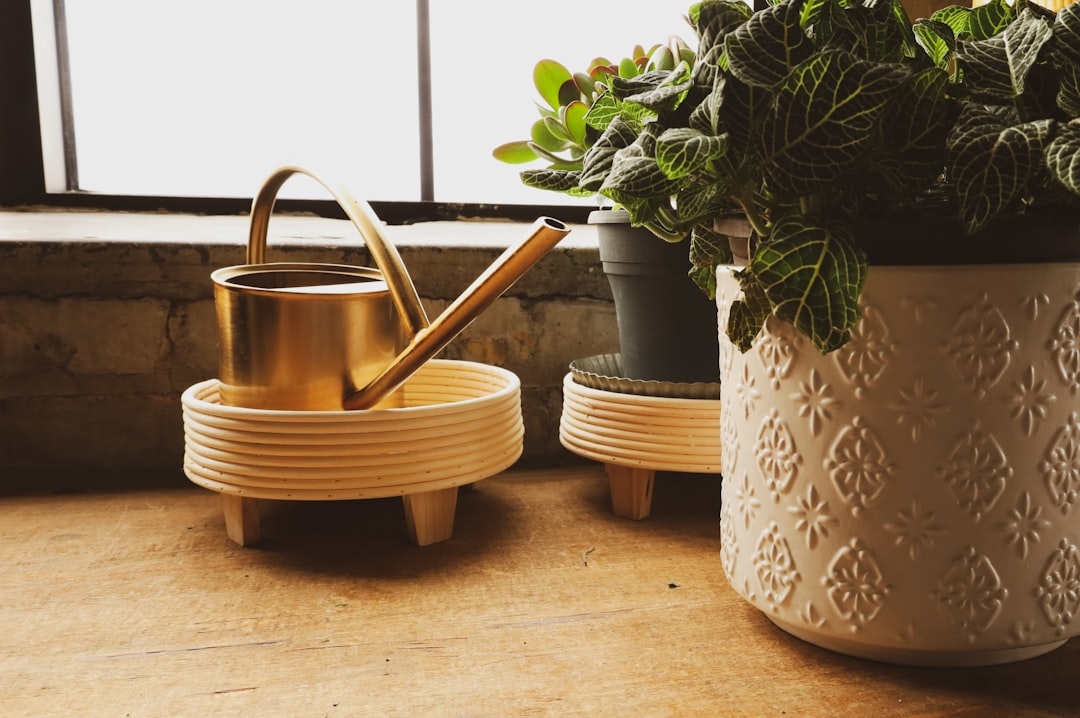
A long, narrow, upward-curving spout (like the Haws design) is ideal for indoor watering — it lets you reach under foliage, aim at the soil surface rather than the leaves, and work in tight shelf spaces. A shorter, straighter spout works better outdoors where access is less restricted and flow rate matters more than pinpoint precision. Apartment gardeners with dense indoor plant shelves should prioritize spout geometry over all other design features.
Gauge the Copper Thickness
Copper watering cans are typically made from sheets ranging from 0.4mm to 0.9mm thickness. Haws uses approximately 0.8mm, which is on the thicker end for hand-held cans — this translates to better durability and a satisfying solidity when you pick it up. Thinner gauges (0.4–0.5mm) are lighter but dent more easily. For daily use in a busy apartment kitchen, aim for 0.6mm or above.
Consider Storage
In a small apartment, where the can lives when it’s not in use is a real consideration. Most copper cans in the 1- to 2-liter range are small enough to sit on a windowsill, shelf edge, or kitchen counter without dominating the space. The Cado Motus 0.5-liter fits in a kitchen drawer entirely. If counter space is tight, look for a can with a hang-friendly handle that lets you hook it on a pegboard or rail system — a small detail that makes a meaningful difference in a 400-square-foot apartment.
A Reader Story Worth Sharing
A plant enthusiast in a one-bedroom apartment in Chicago wrote about her copper watering can journey in a popular houseplant forum: she’d owned three plastic watering cans in four years — all cracked, stained, or lost their spout caps — before switching to a Haws 1-liter copper model. Two years later, she reported it still looked nearly new, had developed a subtle warm patina she actively loved, and had become one of those objects in her home that sparked genuine joy every time she used it. The upfront cost felt steep, she said, but the math worked out to less than $5 a month amortized over two years — less than any of her previous plastic cans.
That’s the copper watering can value proposition in a nutshell: higher upfront, dramatically lower long-term cost, and a daily-use object that gets more beautiful with age rather than less.
Common Mistakes to Avoid With Copper Watering Cans
- Leaving water sitting inside for days: Standing water — especially tap water with chlorine and mineral content — accelerates internal oxidation and can leave chalky deposits. Empty and dry your can after each watering session if you’re not using it daily.
- Using harsh cleaners: Bleach and abrasive scrubbers will strip the natural patina and damage the copper surface. Clean the interior with a diluted white vinegar solution (1 part vinegar to 4 parts water) and rinse thoroughly.
- Buying purely on aesthetics: A beautiful can with a poorly designed spout is a frustrating daily tool. Always check spout length, opening size, and pour control reviews before purchasing.
- Confusing copper-finish products for solid copper: Copper-plated or copper-finish steel cans look similar but behave differently — they can rust at seams and won’t develop the same patina. Check product descriptions carefully for terms like “pure copper,” “solid copper,” or “copper sheet” construction.
- Storing outdoors in rain-prone areas: Even solid copper benefits from shelter. Prolonged outdoor exposure to acid rain (particularly in the Northeast and Midwest, where pH values can dip below 5.0) accelerates corrosion beyond the attractive natural patina stage.
Budget Breakdown: What to Expect at Each Price Point
- Under $40: Copper-finish steel cans. Attractive, functional, limited lifespan. Fine for beginners or gift-with-low-stakes situations.
- $40–$70: Entry-level solid copper cans. Thinner gauge (0.4–0.6mm), good aesthetics, decent durability with proper care. The G&F and BANCIPATES models live here.
- $70–$120: Mid-range solid copper with superior craftsmanship. The Haws 1-liter sits at the lower end of this range. Noticeable quality jump in solder work, balance, and pour control.
- $120+: Premium solid copper with professional-grade features. Haws 2.1-liter and specialty European imports. Built for decades of use. The cost-per-year math often beats cheaper alternatives.
Caring for Your Copper Watering Can
Copper care is simpler than most people expect. The main job is managing moisture: empty the can after use, dry the exterior with a soft cloth, and store it in a dry spot. That’s genuinely most of what’s required for long-term preservation.
If you want to slow the patina development and keep that bright penny-shine longer, apply a thin coat of paste wax (Renaissance Wax is a favorite among collectors) every few months. If you want the patina to develop — which most copper can owners do — just use it daily and let time do its work. A full, rich patina typically develops within 1 to 3 years depending on use frequency, humidity, and water mineral content.
For interior mineral deposits from hard water, the diluted white vinegar rinse mentioned above works reliably. In cities with very hard water — Phoenix, Las Vegas, and Dallas all have municipal water hardness above 200 mg/L — you may need to do this rinse monthly rather than seasonally.
Frequently Asked Questions About Copper Watering Cans
Are copper watering cans safe to use on edible plants?
Yes. Copper is a naturally occurring trace element and is not harmful to edible plants in the quantities introduced through normal watering. In fact, copper deficiency is a recognized soil condition in some regions. Watering herbs, vegetables, or fruit plants with a copper can poses no food safety concern.
Will a copper watering can change the pH of my water?
Minimally. Trace copper ions may leach into water stored in a copper can, particularly if water sits for extended periods. The effect on soil pH from normal watering use is negligible. If you’re concerned, use the can the same day you fill it rather than storing water overnight.
How long does a solid copper watering can last?
A well-made solid copper watering can, properly cared for, will last 20 to 30 years or longer. Haws has documented cans still in active use after 40+ years. The main failure points are solder joints — inspect these annually and resolder if you notice any weeping seams.
What size copper watering can is best for a small apartment?
For most apartment gardeners with 10 to 20 plants, a 1- to 1.5-liter can strikes the best balance between manageable weight and practical capacity. If your collection is primarily succulents or small pots, a 0.5-liter precision can may be more useful than a larger general-purpose model.
Can I use a copper watering can outdoors?
Absolutely. Copper handles outdoor conditions well. The main caution is avoiding prolonged exposure to acidic rain, which is more common in the Northeast and parts of the Midwest. Store your copper can under a covered porch or indoors when not in use, and dry it after outdoor sessions to prevent accelerated corrosion at the seams.
Making Your Choice — and Getting Started
The best copper watering can for your apartment is the one that fits your plant count, your storage situation, and your budget — not necessarily the most expensive or the most Instagram-worthy. If you have a modest collection of 10 to 15 houseplants, the Haws 1-liter is a near-perfect tool that will outlast every plant you currently own. If you’re working a serious balcony container garden through a hot West Coast summer, step up to a 2-liter option with a wide-base design. And if you’re just starting out and not ready to commit $80 to a watering can, the Esschert copper-finish model is an honest, attractive starter that won’t embarrass you on your shelf.
Once you’ve chosen, the next step is simple: fill it up, head to your plants, and pay attention to how the weight feels, how the pour flows, and where you naturally want to set it down when you’re done. Those small observations will tell you quickly whether you’ve found your long-term tool — or whether it’s time to size up or down. Most copper can owners know within the first week. And most of them never go back to plastic.


Add Comment