Contents:
- How Deer Repellents Work: A Quick Primer
- The Best Deer Repellent Products for Flower Gardens
- Bobbex Deer Repellent Concentrate
- Liquid Fence Deer & Rabbit Repellent (Ready-to-Use)
- Ortho Deer B Gon Deer & Rabbit Repellent Granules
- Plantskydd Deer Repellent (Soluble Powder)
- Orbit 62100 Yard Enforcer Motion-Activated Sprinkler
- I Must Garden Deer Repellent Spray
- Havahart Deer Away Big Game Repellent
- Quick Comparison: Best Deer Repellent for Flower Garden Use
- How to Choose the Right Deer Repellent for Your Flower Garden
- Assess Your Deer Pressure Level
- Match the Product to Your Garden Type
- Factor in Your Maintenance Tolerance
- Consider the Eco-Friendly Angle
- Budget Planning: Annual Cost Estimates
- Application Tips That Maximize Effectiveness
- Frequently Asked Questions
- What is the most effective deer repellent for flower gardens?
- How often should I apply deer repellent to my garden?
- Are deer repellents safe for flowers and vegetables?
- Do deer eventually get used to repellents?
- What flowers are most vulnerable to deer damage?
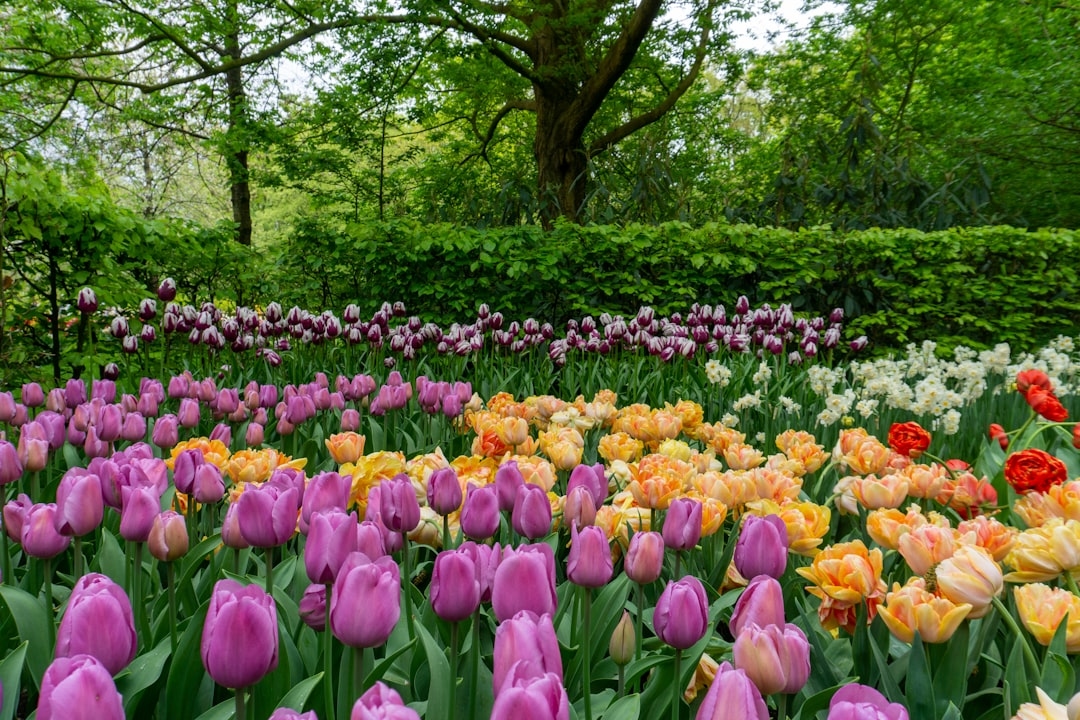
You step outside on a June morning to find your prize tulips stripped to bare stems. Petals gone. Leaves gone. Just ragged green stalks where a week of anticipation used to stand. Deer don’t browse politely — they bulldoze, and a single nighttime visit from a small herd can undo an entire season of planting. The damage is swift, silent, and deeply discouraging.
Finding the best deer repellent for your flower garden isn’t just about choosing the strongest smell or the loudest motion sensor. It’s about matching the right product to your garden’s size, your local deer pressure, and how much maintenance you’re willing to commit to. This guide breaks down the top products on the market, with real data on what works, what doesn’t, and what gives you the best return on investment.
How Deer Repellents Work: A Quick Primer
Deer rely heavily on smell — their olfactory system is estimated to be 1,000 times more sensitive than a human’s. Most commercial repellents exploit this by broadcasting odors that signal predator presence (putrescent egg solids, blood meal, coyote urine) or create general sensory discomfort (capsaicin, peppermint oil, garlic). Contact repellents coat foliage directly and deter feeding through taste. Physical deterrents and motion-activated devices work through startle response and disrupted habit.
No single method achieves 100% efficacy under all conditions. University extension research from Rutgers consistently rates products on a scale from “rarely damaged” to “frequently severely damaged.” The products below score well under that framework, and each addresses a different gardening scenario.
The Best Deer Repellent Products for Flower Gardens
1. Bobbex Deer Repellent Concentrate
Bobbex has held a strong reputation among serious gardeners for over two decades, and the science backs the loyalty. Its formula combines putrescent whole egg solids, fish meal, garlic, cloves, and white pepper — a multi-sensory assault that deer find deeply unpleasant. In independent university trials, Bobbex consistently ranks among the top two or three repellents for efficacy. A 32 oz concentrate mixes to make 1.5 gallons of ready-to-use solution, covering roughly 1,875 square feet. Rain-resistant within an hour of drying, it holds up for 2–4 weeks depending on rainfall and new plant growth. At around $25–$30 for the concentrate, cost per application is very reasonable. The smell is significant when applying — plan to do it on a calm morning when neighbors aren’t nearby.
- Best for: High deer-pressure gardens, established perennial beds
- Eco note: Biodegradable formula, safe for pollinators once dry
- Cost estimate: ~$0.013 per sq ft per application
2. Liquid Fence Deer & Rabbit Repellent (Ready-to-Use)
Liquid Fence is widely available at hardware stores and garden centers across the US, making it the go-to choice for gardeners who need something immediately. The ready-to-use formula relies on putrescent egg and garlic oil and begins working on contact. Rutgers extension data rates it as effective across most plant categories. The convenience comes at a price premium — a 32 oz ready-to-use bottle covers roughly 400 square feet and runs about $12–$15. For larger gardens, the concentrate option cuts costs significantly. Reapplication is needed every 30 days or after heavy rain. The formula is labeled safe around children and pets once dry, and it won’t harm soil biology — a meaningful plus for organic gardeners.
- Best for: Small to medium flower beds, quick application needs
- Eco note: No synthetic pesticides; safe for beneficial insects
- Cost estimate: ~$0.03–$0.04 per sq ft (RTU); much less with concentrate
3. Ortho Deer B Gon Deer & Rabbit Repellent Granules
Granular repellents fill a niche that sprays struggle with: perimeter defense in wet or windy conditions. Ortho Deer B Gon uses putrescent egg solids in a granular form that you scatter around garden borders and between plants. Each 2 lb bag covers up to 1,440 square feet of perimeter and lasts about 30 days. The granules don’t require mixing or a sprayer, making application genuinely simple. They’re particularly useful around bulb plantings where you can’t easily coat foliage. One limitation: granules are less effective in heavy rain and can scatter with strong wind. Price runs about $12–$14 per bag. For mixed-use gardens with ground covers and bulbs, layering granules with a foliar spray gives you dual-mode protection.
- Best for: Bulb gardens, perimeter defense, low-maintenance setups
- Eco note: No liquid runoff; minimal impact on soil microbiome
- Cost estimate: ~$0.009 per sq ft
4. Plantskydd Deer Repellent (Soluble Powder)
Plantskydd’s formula is blood meal-based, which triggers a fear response in deer rather than simply offending their palate. The theory: prey animals recognize the smell of blood as a predator feeding zone and retreat. Field trials in Sweden (where the product originated) and subsequent US testing show impressive longevity — up to 3–6 months on dormant plants and 3–4 months on actively growing ones. That longevity dramatically reduces your reapplication burden. A 2.2 lb soluble powder pouch mixes to make about 2 gallons of solution, covering up to 1,200 square feet per gallon. Retail price runs $30–$35 for the pouch. The smell during application is intense — blood meal is not subtle — but dissipates quickly once dry. OMRI-listed for organic use, which matters to eco-conscious gardeners.
- Best for: Perennial beds, woody ornamentals, low-frequency applicators
- Eco note: OMRI-certified organic; blood meal is a natural byproduct
- Cost estimate: ~$0.012–$0.015 per sq ft, amortized over longer intervals
5. Orbit 62100 Yard Enforcer Motion-Activated Sprinkler
Physical deterrents address a limitation that all chemical repellents share: deer habituation. A deer that’s hungry enough will eventually push through a bad smell. The Orbit Yard Enforcer uses an infrared motion sensor with a 120-degree, 40-foot detection range to trigger a sharp burst of water. The startle response is highly effective and doesn’t fade the way olfactory deterrents can. One unit covers approximately 1,600 square feet and connects to any standard garden hose. At $65–$75, it’s the highest upfront investment on this list, but ongoing cost is minimal — just water. Battery life averages 7,500 activations per set of 4 AA batteries. Placement matters: position units to catch deer approach paths rather than open garden centers. Combine with a perimeter repellent spray for best results during high-pressure seasons.
- Best for: High-value plantings, gardens near deer corridors, summer annuals
- Eco note: No chemicals; uses water only
- Cost estimate: ~$70 upfront; negligible ongoing cost
6. I Must Garden Deer Repellent Spray
This product earns its place on the list through a notably pleasant application experience — something no other repellent on this list can claim. The formula uses a blend of essential oils (clove, cinnamon, mint, rosemary, thyme) along with egg solids. The result is a spray that smells almost herbal to humans while remaining offensive to deer. Efficacy is solid across most ornamental plants, with particular user satisfaction in rose gardens. A 32 oz ready-to-use bottle covers about 300–500 square feet and costs $16–$20. Concentrate versions bring that per-application cost down considerably. Reapplication every 2–4 weeks is recommended. Not the strongest option in extreme deer pressure zones, but excellent for suburban gardens with moderate deer activity and a gardener who dislikes the sulfur-heavy alternatives.
- Best for: Rose gardens, suburban beds, scent-sensitive applicators
- Eco note: Essential oil-based; no synthetic chemicals; biodegradable
- Cost estimate: ~$0.04–$0.06 per sq ft (RTU)
7. Havahart Deer Away Big Game Repellent
Havahart’s formula packs one of the highest concentrations of putrescent egg solids available in a retail product, making it a strong performer in areas with serious deer pressure — think rural properties bordering woodland or USDA Hardiness Zones 4–7 where deer populations are dense. A 32 oz bottle of concentrate makes up to 8 gallons of solution. At $20–$25 per bottle, that’s exceptional value per treated square foot. The trade-off is the smell during application, which is among the most pungent in this category. Efficacy typically holds for 3–4 weeks between applications. Some gardeners report good results extending intervals to 5–6 weeks during dry periods. Not the choice for close-quarters patio gardens, but outstanding for large cutting gardens and mixed borders where you need coverage fast and cheaply.
- Best for: Large rural gardens, high deer-pressure zones, budget-conscious buyers
- Eco note: No synthetic pesticides; degrades naturally
- Cost estimate: As low as $0.003 per sq ft at full dilution
🌿 What the Pros Know
Professional landscape managers rotate between two or three repellent formulas on a 4–6 week cycle. Deer rapidly habituate to a single scent profile, especially in high-pressure areas. Alternating between an egg-based product (like Bobbex or Liquid Fence) and a blood meal-based one (like Plantskydd) keeps deer guessing and prevents adaptation. Apply before deer pressure peaks — in most of the US, that means late October through April when natural forage is scarce, and again in late spring when does are nursing fawns and feeding heavily.
Quick Comparison: Best Deer Repellent for Flower Garden Use
| Product | Type | Coverage | Avg. Price | Reapply Interval | Organic? |
|---|---|---|---|---|---|
| Bobbex Concentrate | Foliar spray | 1,875 sq ft/32oz | $25–$30 | 2–4 weeks | Yes |
| Liquid Fence RTU | Foliar spray | ~400 sq ft/32oz | $12–$15 | 30 days | Yes |
| Ortho Deer B Gon | Granules | 1,440 sq ft/2 lb | $12–$14 | 30 days | No |
| Plantskydd Powder | Foliar spray | ~2,400 sq ft/2.2 lb | $30–$35 | 3–6 months | OMRI Listed |
| Orbit Yard Enforcer | Motion sprinkler | 1,600 sq ft/unit | $65–$75 | N/A (batteries) | Chemical-free |
| I Must Garden | Foliar spray | 300–500 sq ft/32oz | $16–$20 | 2–4 weeks | Yes |
| Havahart Deer Away | Foliar spray (conc.) | ~10,000 sq ft/32oz | $20–$25 | 3–6 weeks | Yes |
How to Choose the Right Deer Repellent for Your Flower Garden
Assess Your Deer Pressure Level
Not all gardens face the same threat. A suburban backyard in central New Jersey (one of the highest deer-density states in the US, at roughly 100–200 deer per square mile in some counties) demands a different approach than a rural property in Colorado where occasional deer wander through seasonally. High-pressure situations call for high-concentration egg-based formulas like Bobbex or Havahart, possibly paired with a motion-activated deterrent. Moderate suburban pressure? Liquid Fence or I Must Garden will handle it without the potent odor.
Match the Product to Your Garden Type
Bulb gardens and newly planted annuals are best protected with granular perimeter products combined with foliar sprays once foliage emerges. Established perennial beds with consistent foliage respond well to spray-only programs. Rose gardens — deer magnets of the highest order — benefit from a rotation strategy using Plantskydd in early spring (when long reapplication intervals matter most) shifting to I Must Garden or Bobbex through the growing season. For high-value or newly installed plantings, budget for the Orbit motion sprinkler as a primary line of defense.
Factor in Your Maintenance Tolerance
Honest self-assessment here saves money and frustration. If you’re unlikely to reapply a spray every 2–3 weeks, don’t buy a short-interval product. Plantskydd’s 3–6 month dormant-season longevity is a better fit. If you prefer a set-it-and-forget-it solution, the Orbit sprinkler handles detection and response automatically. Every repellent program fails eventually if maintenance lapses — deer will test boundaries within days of protection wearing off.
Consider the Eco-Friendly Angle
For gardeners committed to organic practice, the field is actually well-served. Bobbex, Plantskydd, Liquid Fence, I Must Garden, and Havahart are all free of synthetic pesticides and safe for beneficial insects, pollinators, and soil biology. Plantskydd carries OMRI certification, which is the gold standard for verified organic status. The Orbit sprinkler uses no chemicals whatsoever. If you’re maintaining a certified organic garden or simply want to minimize chemical inputs, you have strong options across every budget tier.
Budget Planning: Annual Cost Estimates
For a 500 sq ft flower garden with moderate deer pressure, applying repellent every 3 weeks through a 26-week growing season (roughly April–October in USDA Zones 5–7):
- Budget option (Havahart concentrate): ~$20–$25 for the full season
- Mid-range (Bobbex concentrate): ~$40–$60 for the full season
- Premium convenience (Liquid Fence RTU): ~$80–$120 for the full season
- One-time device (Orbit sprinkler + minimal spray): ~$90–$100 first year; ~$20–$30 annually after
The Orbit sprinkler pays for itself within two seasons compared to premium RTU products, making it the best long-term value for gardens with persistent deer activity.
Application Tips That Maximize Effectiveness
Coverage matters more than concentration. Most repellent failures trace back to incomplete application — missed stems, undersides of leaves left uncoated, perimeter gaps. Apply sprays to the point of runoff on all foliage surfaces. Treat new growth immediately after heavy rain or rapid plant growth flushes, not on a fixed calendar schedule. Begin applications before deer damage appears — a deer that has successfully fed in your garden once will return repeatedly. Prevention is dramatically easier than breaking an established feeding pattern.
Temperature affects efficacy too. Most spray repellents should be applied when temperatures are above 40°F to ensure proper adhesion and drying. In shoulder seasons (early spring and late fall), watch nighttime lows before scheduling applications. Granular products are more temperature-tolerant and work well for year-round perimeter protection, even during mild winter spells when deer pressure on dormant gardens remains real.
Frequently Asked Questions
What is the most effective deer repellent for flower gardens?
Bobbex and Plantskydd consistently rank highest in university efficacy studies. Bobbex is preferred for frequent reapplication cycles; Plantskydd is better when long intervals between applications are needed. For maximum protection, combine a foliar spray with a motion-activated sprinkler like the Orbit Yard Enforcer.
How often should I apply deer repellent to my garden?
Most spray repellents require reapplication every 2–4 weeks, or after rain exceeding 1 inch. Plantskydd can last 3–6 months on dormant plants. Always reapply after significant new plant growth, regardless of time elapsed since the last application.
Are deer repellents safe for flowers and vegetables?
The repellents listed here — Bobbex, Liquid Fence, Plantskydd, I Must Garden, and Havahart — are all safe for ornamental flowers once dry. Most are also safe around edibles after a short waiting period, though always check label instructions. None contain synthetic pesticides that would harm pollinators or soil health.
Do deer eventually get used to repellents?
Yes — habituation is a real phenomenon, especially with single-product programs. Deer can acclimate to a repeated scent stimulus within 4–8 weeks. Rotating between two formula types (egg-based and blood meal-based) on alternating applications significantly reduces habituation. Adding a physical deterrent like a motion sprinkler adds a non-olfactory layer that deer cannot habituate to as easily.
What flowers are most vulnerable to deer damage?
Tulips, hostas, daylilies, impatiens, roses, and pansies are among the most frequently browsed plants in US gardens. Native plants and those with strong scents — lavender, catmint, salvia, and Russian sage — are generally less palatable and can serve as living deer-resistant borders around more vulnerable species. For high-risk plants in the list above, use the best deer repellent for flower garden protection that you can maintain consistently throughout the season.





Add Comment