Contents:
- The 7 Best Hanging Planters for Trailing Flowers
- Mkono 10-Inch Macramé Hanging Planter (Set of 3)
- HC Companies 12-Inch Classic Hanging Basket with Coco Liner
- Bloem Hanging Planter with Attached Saucer (10-Inch)
- Vonhause 14-Inch Metal Wire Hanging Basket
- Lechuza Trio Cottage Self-Watering Hanging Planter
- Rivet Modern Metal Hanging Planter (Set of 2, 6-Inch)
- Gardener’s Supply Company Vermont Cascade Planter
- Comparison Table: Best Hanging Planters for Trailing Flowers at a Glance
- How to Choose the Best Hanging Planter for Trailing Flowers
- Match the Planter to Your Climate Zone
- Size, Weight, and Structural Support
- Trailing Plant Compatibility by Container Type
- Quick Budget Breakdown by Project Scale
- Common Mistakes to Avoid with Hanging Planters
- FAQ: Best Hanging Planters for Trailing Flowers
- What size hanging planter is best for trailing flowers?
- How often do hanging planters with trailing flowers need watering?
- What are the best trailing flowers for hanging planters?
- Are self-watering hanging planters worth the higher cost?
- Can I use the best hanging planters for trailing flowers indoors?
Here’s a myth worth busting right away: the planter itself doesn’t matter much — just pick something pretty and fill it with soil. Wrong. The wrong hanging planter can waterlog your petunias, bake your lobelia roots in a terracotta oven, or snap off a porch bracket under 15 pounds of wet growing medium. The best hanging planters for trailing flowers are engineered, not just assembled. And once you know what separates a great one from a mediocre one, shopping becomes a whole lot easier — and your cascading blooms become a whole lot more dramatic.
This guide compares the top options on the market right now, with real cost breakdowns, regional considerations, and the specific details that actually move the needle. Whether you’re dressing up a front porch in Charleston, a pergola in Portland, or a fire escape planter situation in Brooklyn, there’s a right answer for your setup.
The 7 Best Hanging Planters for Trailing Flowers
1. Mkono 10-Inch Macramé Hanging Planter (Set of 3)
A crowd favorite for good reason. The Mkono macramé set gives you three cotton-rope baskets that work beautifully with trailing plants like string of pearls, ivy, or bacopa. Each basket holds a 4-inch nursery pot securely, with a generous fringe that adds visual softness. Price: around $18–$22 for a set of 3, making this the most budget-friendly entry on this list. The open weave promotes airflow — a real advantage for trailing succulents that hate wet roots. One caveat: macramé absorbs moisture in humid climates (hello, Gulf Coast summers), which can lead to mildew on the rope over time. Hang these in covered areas or bring them in during extended rain. Holding capacity tops out around 6.6 lbs per basket, so don’t overfill.
2. HC Companies 12-Inch Classic Hanging Basket with Coco Liner
This is the workhorse of the hanging basket world. The HC Companies basket uses a coco coir liner inside a sturdy plastic frame — a combination that drains efficiently while retaining just enough moisture for thirsty trailing annuals like million bells (calibrachoa) or wave petunias. At $8–$12 per basket, it’s an affordable backbone for event installations that need volume. The 12-inch diameter fits approximately 3–5 trailing transplants comfortably. Coco liners need replacing every 1–2 seasons, which adds minor recurring cost, but the plastic frame itself lasts 5+ years. Particularly popular with professional florists along the Southeast, where heat stress is a constant concern and the moisture-retaining coco helps plants push through 90°F afternoons.
3. Bloem Hanging Planter with Attached Saucer (10-Inch)
Bloem solves one of the most annoying problems in hanging flower displays: drip. Their planters come with an integrated drip tray built into the base, which catches excess water instead of staining your deck or dripping on guests at an outdoor event. Made from durable polypropylene with UV inhibitors, these resist fading through a full growing season. Price: $10–$14 each. Available in 8 colors, including classic terracotta, white, and forest green — useful when coordinating with event florals. The drainage system is genuinely smart: water moves from the pot into the tray and can wick back up into the soil during dry spells, extending time between waterings by a day or two. Best suited for trailing verbena, diascia, or ivy geranium.
4. Vonhause 14-Inch Metal Wire Hanging Basket
Go big or go home. The Vonhause 14-inch wire basket is designed for statement installations — think overflowing fuchsia and trailing sweet potato vine spilling 18–24 inches below the basket rim. Wire construction allows planting through the sides as well as the top, creating a full 360-degree display that looks spectacular from every angle. Price: $20–$28 each. These need a coco liner (sold separately, roughly $3–$5 each), but the payoff is a lush sphere of color that photographs beautifully. Weight when fully planted and watered can reach 20–25 lbs, so check that your bracket or beam is rated accordingly. This style dominates front porch displays across the Mid-Atlantic and New England, where short growing seasons mean go-big-in-summer is the strategy.
5. Lechuza Trio Cottage Self-Watering Hanging Planter
Premium tier, premium results. The Lechuza Trio Cottage is a German-engineered self-watering hanging planter that holds a reservoir of water in its base, feeding plants from below via a wicking system. Fill the reservoir every 5–14 days (depending on heat and plant demand), and the system handles the rest. Price: $55–$75 each. Yes, it’s expensive — but for events spanning multiple days, corporate installations, or anyone managing 20+ planters without daily watering help, the labor savings are real. Holds up to 3.3 quarts of water. The three-pot configuration creates a natural cascading effect when planted with calibrachoa or trailing lobelia. Particularly popular with landscape designers on the West Coast who manage rooftop gardens and balcony installs where hand-watering logistics are complicated.
6. Rivet Modern Metal Hanging Planter (Set of 2, 6-Inch)
Compact, contemporary, and made for small-space drama. Rivet’s powder-coated metal planters (part of Amazon’s private label home line) come as a set of two in matte black, rose gold, or white. At $25–$35 for a set, they’re mid-range in price but high in visual impact for a modern aesthetic. The 6-inch size suits trailing plants that don’t need much root volume — string of hearts, tradescantia, or small ivy cultivars work perfectly. Drainage is clean, with a single center hole; add a small layer of perlite at the bottom to prevent waterlogging. These are a strong choice for indoor hanging displays near south- or west-facing windows, or for covered outdoor porches with a contemporary design language.
7. Gardener’s Supply Company Vermont Cascade Planter
A cult favorite among serious flower gardeners. The Vermont Cascade Planter by Gardener’s Supply is a self-watering hanging container with side planting ports — 12 total — that allow you to create a living flower sphere entirely covered in blooms. Price: $49–$59 each. It holds a significant reservoir (about 2 quarts) and is made from recycled content plastic. The genius is the side ports: plant trailing calibrachoa, lobularia, or phlox through every hole, and within 6–8 weeks, the basket disappears entirely behind cascading color. Particularly favored in the Pacific Northwest, where cooler summers let flowering annuals perform without heat stress. One honest drawback: initial planting takes 30–45 minutes and requires smaller transplants or seedlings, not large nursery starts.
Comparison Table: Best Hanging Planters for Trailing Flowers at a Glance
| Planter | Size | Price Range | Best For | Self-Watering | Rating |
|---|---|---|---|---|---|
| Mkono Macramé (Set of 3) | 10″ | $18–$22/set | Bohemian, indoor/covered | No | ⭐⭐⭐⭐ |
| HC Companies Coco Basket | 12″ | $8–$12 each | High-volume, events, South | No | ⭐⭐⭐⭐ |
| Bloem with Saucer | 10″ | $10–$14 each | Drip-free events, decks | Partial | ⭐⭐⭐⭐½ |
| Vonhause Wire Basket | 14″ | $20–$28 each | 360° display, Northeast | No | ⭐⭐⭐⭐½ |
| Lechuza Trio Cottage | Multi-pot | $55–$75 each | Long events, low maintenance | Yes | ⭐⭐⭐⭐⭐ |
| Rivet Metal (Set of 2) | 6″ | $25–$35/set | Modern aesthetic, indoor | No | ⭐⭐⭐⭐ |
| Gardener’s Supply Vermont Cascade | Full sphere | $49–$59 each | Showpiece, Pacific NW | Yes | ⭐⭐⭐⭐⭐ |
How to Choose the Best Hanging Planter for Trailing Flowers
Match the Planter to Your Climate Zone
Climate is one of the most underrated factors in planter selection. Gardeners in USDA Hardiness Zones 8–10 (the South and West Coast) deal with extended heat and either drought or humidity — conditions that favor moisture-retaining coco liners or self-watering reservoirs. In Zones 5–7 (the Northeast and Midwest), the season is shorter but summers are intensely productive, and wire baskets that allow 360-degree planting can maximize visual payoff before the first frost arrives in October.
Specifically: if you’re gardening in the Southeast, avoid macramé outdoors entirely during July and August. Rope fibers stay damp, invite mildew, and degrade faster than plastic or metal alternatives in persistent humidity. Stick to the HC Companies coco basket or the Bloem with its integrated saucer.
Size, Weight, and Structural Support
A 14-inch wire basket fully planted and freshly watered can weigh 22–25 lbs. A 12-inch coco basket hits 10–15 lbs when saturated. Standard porch hooks sold at hardware stores are typically rated for 15–30 lbs — enough for most baskets, but not a double-planted wire sphere. Before buying, check your bracket’s weight rating. Ceiling joists in covered porches can usually support far more weight than the hook hardware, so upgrading to a heavy-duty 50-lb rated swivel hook (roughly $8–$12 at any hardware store) is cheap insurance.
Trailing Plant Compatibility by Container Type
Not all trailing plants have the same root volume requirements. Here’s a quick match guide:
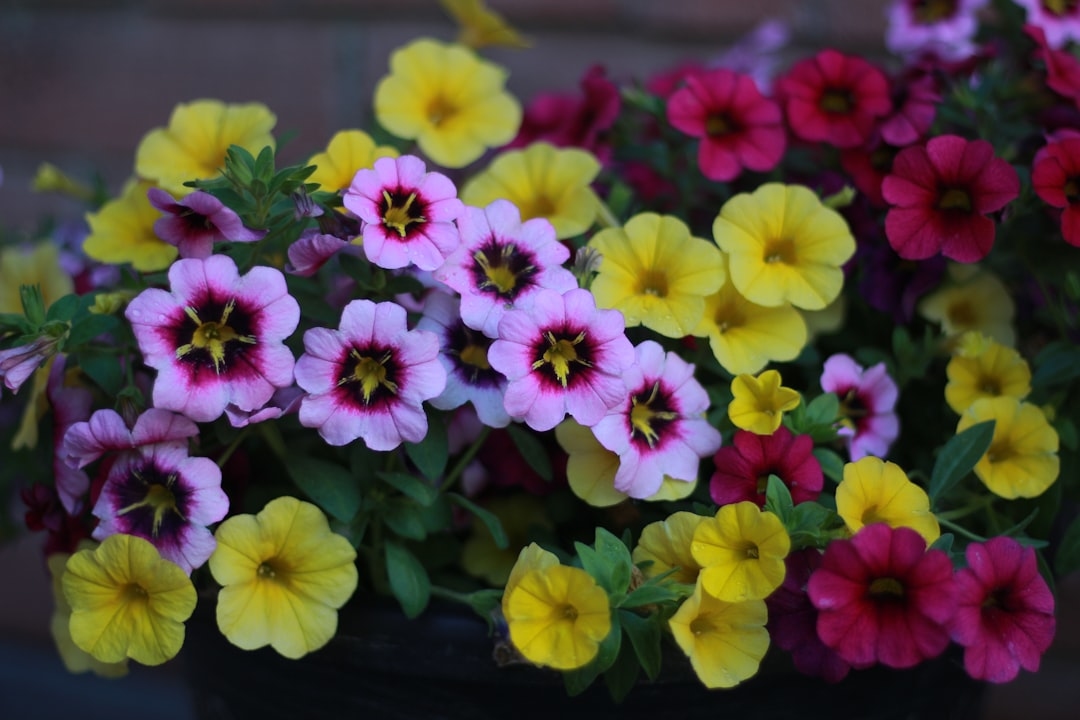
- Wave Petunia, Calibrachoa: Need at least 10–12 inches diameter; prefer coco-lined or self-watering planters
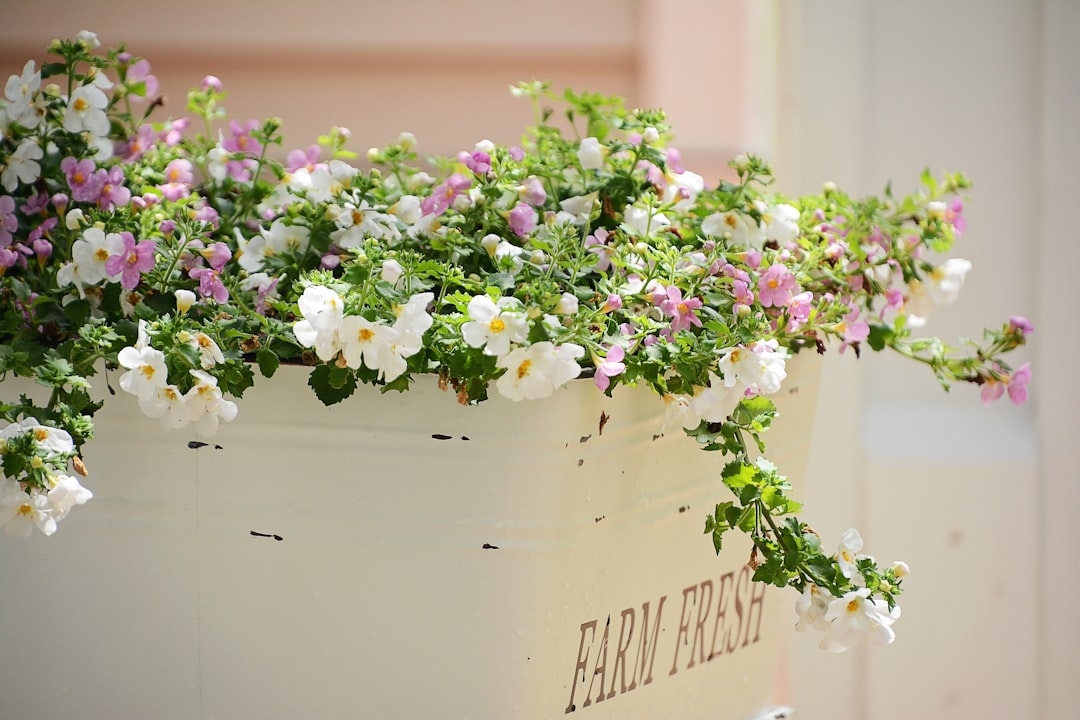
- Lobelia, Bacopa: Shallow roots; do well in 8–10 inch wire baskets or macramé holders
- Ivy Geranium: Vigorous growers; 12–14 inch minimum; drainage is critical
- String of Pearls, Tradescantia: Small root systems; thrives in 6-inch modern metal planters indoors
- Sweet Potato Vine (ornamental): Fast and aggressive; use 14-inch wire baskets with room to spill
Quick Budget Breakdown by Project Scale
Planning ahead on cost prevents surprises at checkout:
- Small porch display (4–6 baskets): $40–$90 using HC Companies or Bloem planters
- Event installation (20 baskets): $160–$280 at the budget tier; $1,100–$1,500 with Lechuza self-watering units (but factor in watering labor savings)
- Single showpiece display: $50–$75 for the Vermont Cascade or Lechuza Trio, plus $15–$25 in plants
- Indoor trailing plant display (3 baskets): $18–$35 with Mkono macramé or Rivet metal sets
Common Mistakes to Avoid with Hanging Planters
Even experienced gardeners make these errors. Avoid them and your trailing flowers will reward you all season long.
- Using regular potting soil in a hanging basket. Standard potting mix becomes dense and waterlogged in a suspended container. Use a lightweight mix specifically formulated for containers, or blend standard potting mix with 20–30% perlite to improve drainage and reduce weight.
- Underplanting for visual impact. A 12-inch basket that looks sparse in May will fill in by July — but a wire basket planted through the sides at installation will look full from day one. Choose your strategy intentionally based on your timeline.
- Ignoring swivel hooks. Fixed hooks cause planters to face one direction permanently. A swivel hook lets you rotate the basket every few days so all sides receive even sun exposure — especially critical for 360-degree wire sphere plantings.
- Hanging in full afternoon sun without adjusting watering frequency. A hanging basket in direct afternoon sun in a Southern state (Zones 8–9) may need watering twice daily in peak summer. Self-watering planters become economical fast when you’re otherwise hand-watering at 6 AM and 6 PM every single day.
- Buying too-small planters for vigorous trailers. Sweet potato vine and wave petunias are aggressive growers that will overwhelm a 6-inch planter in under 30 days. Respect the mature spread listed on the plant tag and size up accordingly.
FAQ: Best Hanging Planters for Trailing Flowers
What size hanging planter is best for trailing flowers?
For most trailing annuals like calibrachoa, lobelia, and wave petunias, a 10–14 inch diameter basket is the sweet spot. Smaller baskets (6–8 inches) dry out too quickly in summer heat. Larger baskets (14–16 inches) allow more plants and a fuller cascade, but weigh significantly more when watered — plan your hardware accordingly.
How often do hanging planters with trailing flowers need watering?
In warm weather (above 75°F), most hanging baskets need watering once daily, sometimes twice in peak summer heat or wind. Self-watering planters like the Lechuza Trio can extend that interval to every 5–14 days. Always check by inserting a finger 1–2 inches into the soil — if it feels dry at that depth, water thoroughly until it drains freely from the bottom.
What are the best trailing flowers for hanging planters?
Top performers include wave petunias, calibrachoa (million bells), trailing lobelia, bacopa, ivy geranium, sweet alyssum, and dichondra ‘Silver Falls.’ For a longer season in cooler climates (Zones 5–6), pair trailing lobelia with calibrachoa. In hot Southern climates (Zones 8–9), vinca vine, lantana, and portulaca handle heat far better than petunias.
Are self-watering hanging planters worth the higher cost?
For single home gardeners with fewer than 6 baskets, probably not. For event planners, landscape installers, or anyone managing 15+ planters across a property, yes — the labor savings justify the premium quickly. A Lechuza Trio at $65 that needs watering once a week costs far less in time than a $10 basket that requires daily attention across a large installation.
Can I use the best hanging planters for trailing flowers indoors?
Absolutely — with two adjustments. First, use a planter with an attached drip tray or saucer (like the Bloem) to protect floors and furniture. Second, choose trailing houseplants suited to your indoor light: tradescantia and string of hearts thrive in bright indirect light; English ivy tolerates lower light. Most trailing annuals (petunias, calibrachoa) need direct sun and won’t perform well indoors long-term.
The right planter doesn’t just hold your flowers — it sets the stage for how dramatically they perform. Start with one showpiece basket this season, master the watering routine, and you’ll find yourself planning an entire porch installation by next spring. That’s exactly how the best gardens grow.

Add Comment