Contents:
- What Makes a Planter Winter-Proof?
- The Best Outdoor Planters for Winter: Ranked and Reviewed
- Crescent Garden TruDrop Self-Watering Planter (HDPE)
- Campania International Cast Stone Urn Planter
- Veradek Metallic Series Steel Planter Box
- Pottery Barn Fiberclay Outdoor Planter
- Lechuza Cube Premium Self-Watering Planter (ABS Plastic)
- ResiPlanter Heavyweight Fiberglass Tapered Round
- Gardengate Glazed Stoneware Frost-Resistant Pot (High-Fire Ceramic)
- Classic Home and Garden Honeysuckle Urn (Resin Composite)
- Quick Comparison: Best Winter-Ready Planters at a Glance
- How to Choose the Right Winter-Ready Planter for Your Garden
- Match Material to Your Climate Zone
- Think About Weight and Mobility
- Drainage Is Non-Negotiable
- Plan Around the Seasonal Calendar
- Evaluate Long-Term Value, Not Just Sticker Price
- Frequently Asked Questions
- What is the best material for outdoor planters in freezing temperatures?
- Can terracotta pots survive winter outdoors?
- Should I empty outdoor planters before winter?
- How do I keep planter soil from freezing solid?
- What size outdoor planter is best for winter survival?
- Before You Buy: One Final Check
What separates a planter that survives a Minnesota January from one that shatters into shards by February? It’s not price. It’s not looks. It’s material science — and knowing which products are actually built to handle freeze-thaw cycles. If you’ve already lost a terracotta pot or a cheap resin planter to a brutal cold snap, you know the frustration. This guide breaks down the best outdoor planters for winter use, ranks them by real-world performance, and helps you spend your money on something that will still be standing come spring.
Gardeners in USDA Hardiness Zones 3–6 — think the Northeast, Midwest, and upper Mountain West — face the harshest conditions. Repeated freezing and thawing can expand moisture trapped in planter walls by up to 9%, enough to crack porous materials like standard terracotta. Gardeners in the Pacific Northwest deal with relentless wet-cold, while those in the South rarely worry about hard freezes at all. Zone matters. Material matters. Here’s what actually works.
What Makes a Planter Winter-Proof?
Before ranking specific products, it helps to understand the failure point. Most planters crack in winter not from cold alone, but from water absorption followed by freezing. A planter rated for winter use should have low porosity (less than 3% water absorption is a common industry benchmark for frost-resistant ceramics), adequate drainage, and walls thick enough to flex without fracturing under pressure.
Materials that consistently pass freeze-thaw testing include high-density polyethylene (HDPE), fiberglass, powder-coated steel, EcoForm composite, and frost-resistant glazed stoneware. Standard terracotta, cheap resin, and low-fire ceramics are the usual casualties. Keep those in mind as we go through the list.
The Best Outdoor Planters for Winter: Ranked and Reviewed
1. Crescent Garden TruDrop Self-Watering Planter (HDPE)
Made from recycled high-density polyethylene, the TruDrop series handles cold down to -40°F without cracking — a spec Crescent Garden publishes openly. The double-wall construction insulates roots while the self-watering reservoir prevents overwatering in rainy shoulder seasons. Available in sizes from 10″ to 24″ diameter, prices run $35–$95 depending on size. The matte finish holds up to UV without fading, which matters if you’re leaving it out year-round on a south-facing porch. The main drawback: HDPE flexes visibly in extreme cold, so very large planters can look slightly warped in January, though they return to shape in spring. For Zone 3–5 gardeners, this is one of the safest bets on the market.
2. Campania International Cast Stone Urn Planter
Cast stone is a concrete-aggregate blend that mimics the look of natural stone while achieving a water absorption rate below 2% — well under the frost-damage threshold. Campania’s urns are manufactured in Pennsylvania and explicitly rated for all four seasons across Zones 3–9. The weight is significant: a 20″ urn runs about 55 lbs empty, so plan on a permanent or semi-permanent placement. Prices start around $120 for smaller pieces and climb past $400 for statement urns. The aged patina that develops over years is genuinely attractive rather than looking like neglect. Leave them out all winter; they only get better-looking with age.
3. Veradek Metallic Series Steel Planter Box
Powder-coated Corten-style steel doesn’t absorb water at all, which eliminates the freeze-thaw cracking issue entirely. Veradek’s rectangular planters are a favorite among gardeners who want a modern aesthetic without sacrificing durability. The 24″ x 8″ window box version retails for about $65; larger 36″ trough planters run $110–$140. One real-world consideration: steel conducts cold efficiently, which means roots in shallow steel planters in Zone 4 winters need extra mulching or the planter needs to be moved into a garage by late November. Deep planters (12″+ depth) offer enough soil insulation to mitigate this. Drainage holes are pre-drilled, which is a small but meaningful detail many competitors skip.
4. Pottery Barn Fiberclay Outdoor Planter
Fiberclay — a composite of fiber, clay, and cement — is one of the more underrated materials in this category. It’s roughly 60% lighter than cast stone while achieving similar freeze-thaw resistance. Pottery Barn’s version comes in a classic tapered silhouette and has been independently tested to -22°F. The 16″ version retails for around $79; the 22″ for $139. The textured exterior genuinely resembles aged terracotta without the fragility. One honest caveat: fiberclay can chip if dropped or struck hard, so handle with care during fall repositioning. For Northeast and Pacific Northwest gardeners who want the classic look without the weight penalty, fiberclay hits a sweet spot.
5. Lechuza Cube Premium Self-Watering Planter (ABS Plastic)
Lechuza’s planters are German-engineered from high-impact ABS plastic — the same material used in automotive bumpers. The Cube 30 (approximately 12″ square) retails around $80, which is premium pricing for plastic, but the build quality is noticeably superior to generic resin planters. The sub-irrigation reservoir system works exceptionally well through shoulder seasons (early spring and late fall) when rainfall is inconsistent. Frost resistance is rated to 14°F (-10°C), which covers Zones 7 and warmer comfortably. In Zones 5–6, Lechuza recommends moving planters indoors or into a sheltered garage once overnight temps consistently drop below 20°F — good advice worth following. The crisp geometric design suits contemporary garden spaces and modern patio arrangements.
6. ResiPlanter Heavyweight Fiberglass Tapered Round
Fiberglass planters are the professional landscaper’s first choice for commercial installations, and for good reason. Fiberglass is non-porous, lightweight relative to its apparent size, and structurally indifferent to freeze-thaw cycles. ResiPlanter’s 18″ tapered round weighs just 8 lbs but holds soil as effectively as a 35 lb cast stone equivalent. Price point is $85–$110 for mid-size options. The gel-coat finish can fade after 5–7 years of direct UV exposure, so periodic application of a UV-protective spray (about $12 at any hardware store) extends life significantly. For West Coast gardeners in Zones 8–10 where winters are wet but mild, fiberglass combines low maintenance with genuine longevity — some commercial installations last 15+ years.
7. Gardengate Glazed Stoneware Frost-Resistant Pot (High-Fire Ceramic)
Not all ceramic is equal. High-fire stoneware, kiln-fired above 2,300°F, achieves a vitrified (glass-like) structure with water absorption below 1%. Glazed stoneware pots from specialty ceramics companies like Gardengate carry genuine frost-resistance ratings and can handle Zones 4–9 winters when properly drained. The 14″ round retails for approximately $55. The critical rule: drainage matters more with ceramics than with any other material. A glazed pot with poor drainage that collects standing water will still crack. Drill an additional drainage hole if needed. These are the best-looking winter planters on this list — the glaze finish develops a beautiful depth over time — but they require the most attentive placement and drainage management.
8. Classic Home and Garden Honeysuckle Urn (Resin Composite)
Budget-friendly doesn’t have to mean disposable. Classic Home and Garden’s resin composite urns retail for $25–$45 and are UV-stabilized with a reinforced wall structure that handles temperatures down to -20°F according to the manufacturer’s spec sheet. They’re not as refined-looking as cast stone or fiberglass, but the embossed texture does a reasonable job of mimicking stone at a fraction of the cost. For gardeners in Zones 6–8 who want seasonal color containers without a major investment, these deliver solid value. Buy two or three for the price of one cast stone urn and replace them every 4–5 years rather than every 1–2 like cheap alternatives.
Quick Comparison: Best Winter-Ready Planters at a Glance
| Planter | Material | Frost Rating | Best Zone | Price Range | Best For |
|---|---|---|---|---|---|
| Crescent Garden TruDrop | HDPE | -40°F | 3–9 | $35–$95 | Cold-climate all-rounders |
| Campania Cast Stone Urn | Cast Stone | Zone 3–9 | 3–9 | $120–$400+ | Permanent statement pieces |
| Veradek Steel Planter Box | Powder-Coated Steel | No freeze limit | 4–9 | $65–$140 | Modern/contemporary style |
| Pottery Barn Fiberclay | Fiberclay | -22°F | 4–9 | $79–$139 | Classic look, lightweight |
| Lechuza Cube Premium | ABS Plastic | 14°F | 7–10 | $70–$110 | Self-watering, mild climates |
| ResiPlanter Fiberglass | Fiberglass | All zones | 3–10 | $85–$110 | Professional longevity |
| Gardengate Glazed Stoneware | High-Fire Ceramic | Zone 4–9 | 4–9 | $45–$80 | Best aesthetics, needs drainage |
| Classic Home Resin Urn | Resin Composite | -20°F | 6–9 | $25–$45 | Budget-conscious buyers |
How to Choose the Right Winter-Ready Planter for Your Garden
Match Material to Your Climate Zone
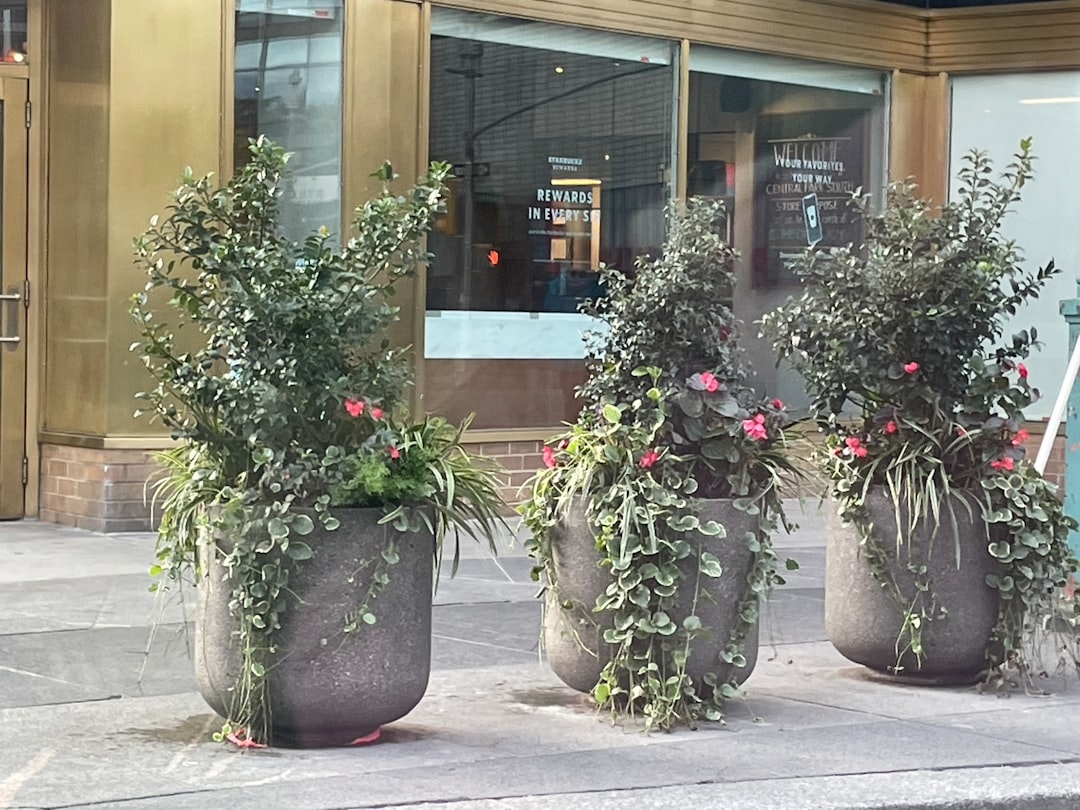
Zone 3–5 gardeners (northern Minnesota, upstate New York, Vermont) need materials rated to at least -20°F, with water absorption below 3%. HDPE, fiberglass, and cast stone are the safest choices. Zone 6–7 gardeners have more flexibility — fiberclay, glazed stoneware, and quality resin composites all perform reliably. Zone 8–10 gardeners along the Gulf Coast, Southern California, or Pacific Northwest coast can use almost any material rated as “frost resistant,” since hard freezes are rare and brief. Don’t over-engineer for a climate that doesn’t demand it.
Think About Weight and Mobility
If your strategy involves moving planters into a garage or shed from November through March — a smart approach for Zone 5 gardeners — weight is a primary filter. A 20″ cast stone urn at 55+ lbs is a two-person job. Fiberglass, HDPE, and fiberclay all offer large sizes under 15 lbs, making seasonal repositioning realistic for one person. If the planter is staying put all winter, weight becomes an asset: heavy planters resist wind-tip in exposed locations.
Drainage Is Non-Negotiable
No planter material fully compensates for inadequate drainage. Standing water in a planter will freeze, expand, and stress the walls — even in fiberglass and cast stone. Every planter on this list should have at least one drainage hole of 1/2″ diameter or larger. For ceramic and stoneware pots, consider adding a second hole with a masonry bit if the manufacturer only provides one small drain. Elevating planters on pot feet (about $8–$15 for a set of three) improves drainage further and prevents freeze bonding to wooden decks or patios.
Plan Around the Seasonal Calendar
A simple timeline helps avoid winter damage regardless of which planter you choose. By mid-October (earlier in Zones 3–5): empty any planters you’re storing indoors, clean them, and let them dry completely before storage — residual moisture is the enemy. By late October to early November: add pot feet to planters staying outside, top-dress soil with a 2–3″ layer of bark mulch to slow root freeze cycles. December through February: check drainage holes periodically after heavy rain or snow melt to ensure they haven’t become blocked with debris. By early March in most zones: planters can be repositioned and prepped for spring planting. Zone 3–4 gardeners should wait until soil temperatures consistently reach 40°F before planting cool-season crops.
Evaluate Long-Term Value, Not Just Sticker Price
A $30 resin planter that lasts two winters costs $15/year. A $120 cast stone urn that lasts 20+ years costs $6/year. Do the math before defaulting to the cheaper option. The calculation shifts if you like changing your garden aesthetic every few years — in that case, mid-range fiberclay or quality HDPE makes more financial sense than investing in permanent cast stone. Fiberglass occupies the best middle ground for most gardeners: premium durability at a price that doesn’t require a long-term commitment to a specific style.
Frequently Asked Questions
What is the best material for outdoor planters in freezing temperatures?
HDPE (high-density polyethylene) and fiberglass are the most freeze-proof materials for outdoor planters. Both are non-porous, so they don’t absorb water that could freeze and crack the planter. HDPE is rated to -40°F; fiberglass has no published low-temperature failure point in standard residential use.
Can terracotta pots survive winter outdoors?
Standard terracotta typically cannot survive outdoor winters in Zones 6 and colder. Terracotta’s water absorption rate can exceed 10%, and as absorbed moisture freezes and expands, the pot walls crack. High-fired stoneware and glazed ceramic are different — they have absorption rates below 1–2% and can handle winter in Zones 4–9 with proper drainage.
Should I empty outdoor planters before winter?
Yes, for planters that will be stored indoors. Empty them by mid-October in cold climates, clean thoroughly, and allow them to dry before storage. For planters staying outdoors, leave soil in place but add 2–3″ of mulch on top, elevate with pot feet, and ensure drainage holes are clear. Empty pots stored outside are actually more vulnerable to cracking from wind and temperature swings than properly drained planted containers.
How do I keep planter soil from freezing solid?
Use a combination of three strategies: choose a deep planter (12″ or more), apply a 2–3″ mulch layer on the soil surface in late fall, and position planters against a south-facing wall to benefit from radiated heat. In Zones 4 and colder, overwintering perennials in outdoor planters is risky unless the container is very large (15+ gallon) — roots in containers are more exposed than in-ground roots and typically need one full zone of extra protection.
What size outdoor planter is best for winter survival?
Larger is better for cold hardiness. A planter with at least 15 gallons of soil capacity provides enough thermal mass to buffer temperature swings. Smaller pots — under 5 gallons — freeze solid quickly and thaw just as fast, creating the rapid freeze-thaw cycling that damages both the container and the roots inside. If you’re overwintering plants in containers, prioritize size over aesthetics.
Before You Buy: One Final Check
Look for the phrase “frost resistant” or “freeze-thaw tested” in the product description — not just “weather resistant,” which is a vague term that usually refers to UV and rain tolerance rather than hard freezes. The best outdoor planters for winter are the ones that come with a specific temperature rating or a clear material specification, not a marketing buzzword. Ask the retailer directly if you’re unsure. A reputable manufacturer will have a straight answer. One that hedges probably doesn’t have the data to back up the claim — and your garden deserves better than that.

Add Comment