Contents:
- How Climbing Vines Actually Attach — And Why It Matters for Trellis Selection
- The 7 Best Trellis Systems for Climbing Flowering Vines
- Gardener’s Supply Heavy-Duty Steel Fan Trellis — Best Overall
- Gronomics Modular Cedar Lattice Panel — Best Natural Material
- YARDGROW Expandable Bamboo Trellis — Best Budget Pick
- Gardman Heavy Duty Galvanized Steel Wall Trellis — Best for Roses
- Jakob Rope Systems InnoFlex Stainless Steel Cable Kit — Best for Modern Architecture
- Panacea Products Arched Garden Trellis — Best Freestanding Focal Point
- Vivosun Heavy Duty Metal A-Frame Trellis — Best for Raised Beds and Vegetables Borders
- Side-by-Side Comparison: Best Trellis for Climbing Flowers
- How to Choose the Right Trellis for Your Climbing Flowers
- Step 1: Match the Trellis to the Vine’s Attachment Method
- Step 2: Estimate Mature Vine Weight and Wind Load
- Step 3: Consider Your Climate and USDA Zone
- Step 4: Think About End-of-Life and Sustainability
- Step 5: Align Cost with Your Commitment Level
- The Sustainability Angle: Choosing Trellises That Don’t Cost the Earth
- Quick Summary: Which Trellis Is Right for You?
- Making Your Final Call on the Best Trellis for Climbing Flowers
- Frequently Asked Questions
- What is the best trellis for climbing flowers in a small garden?
- How much weight can a garden trellis hold?
- Do trellises need to be attached to a wall?
- What trellis material lasts the longest outdoors?
- Can I use a vegetable trellis for flowering vines?
For most gardeners, a galvanized steel fan trellis (like the Gardener’s Supply Heavy-Duty Fan Trellis) offers the best balance of durability, aesthetics, and price at $35–$55. Need to cover a full wall? Go with a modular cable wire system. Working with a tight budget? A bamboo lattice panel gets the job done for under $20. Keep reading for full comparisons and a decision guide.
Climbing plants have been trained onto vertical supports for at least 4,000 years — ancient Egyptian tomb paintings depict grapevines on wooden frames as early as 1400 BCE. Yet despite that long history, most modern gardeners still choose a trellis by grabbing whatever looks attractive at the garden center, without considering load capacity, vine attachment style, or material longevity. That mismatch between trellis and plant is one of the most common reasons a mature wisteria or climbing rose collapses mid-season, sometimes pulling down gutters or fencing along with it. Choosing the best trellis for climbing flowers is not just an aesthetic decision — it’s a structural and horticultural one.
This guide compares seven of the most effective trellis systems available to US gardeners, covering everything from lightweight balcony options to heavy-duty wall-mounted rigs capable of supporting vines that weigh 20+ pounds per linear foot. Each entry includes real-world dimensions, price ranges, best-matched vine species, and an honest accounting of drawbacks.
How Climbing Vines Actually Attach — And Why It Matters for Trellis Selection
Before evaluating any product, it helps to understand that not all climbing flowers grip a structure the same way. Botanists identify four primary attachment mechanisms: twining stems (morning glory, wisteria), tendrils (sweet peas, passionflower), adhesive rootlets or holdfasts (climbing hydrangea, trumpet vine), and thorned canes that lean and hook (climbing roses). Each mechanism has a preferred trellis geometry.
Twining vines need something they can wrap around — narrow bars or ropes work far better than wide flat boards. Tendril climbers require an open-grid structure with individual members no wider than about 0.5 inches in diameter. Adhesive rootlets anchor directly to flat surfaces like masonry or wood, meaning those vines barely need a trellis at all, just a wall. Thorned canes need to be manually tied to supports and benefit from horizontal wire or widely spaced grid structures. Getting this match right is the single most impactful decision you’ll make.
The 7 Best Trellis Systems for Climbing Flowering Vines
1. Gardener’s Supply Heavy-Duty Steel Fan Trellis — Best Overall
Price: ~$45–$55 | Dimensions: 72″ H × 36″ W | Material: Powder-coated galvanized steel
This fan-shaped trellis has earned near-universal praise from home gardeners for good reason. The radiating bar design creates a natural scaffold that suits twining vines like clematis and morning glory exceptionally well, while the 3/8-inch-diameter steel rods provide just the right grip circumference for stem wrapping. The powder-coat finish holds up through at least five to seven growing seasons in USDA Zones 5–9 without significant rust. Ground stakes are included for free-standing installation, or it mounts flush to a fence. At roughly $50, it costs more than bamboo but far less than custom ironwork. The main limitation: its fixed fan shape is purely vertical, so it won’t work well training a climbing rose across a horizontal expanse.
- Best for: Clematis, black-eyed Susan vine, morning glory
- Pros: Durable, attractive, dual installation options
- Cons: Fixed geometry, not expandable
2. Gronomics Modular Cedar Lattice Panel — Best Natural Material
Price: ~$65–$90 per 4’×4′ panel | Dimensions: 48″ H × 48″ W | Material: Western red cedar
Western red cedar contains natural oils — primarily thujaplicins — that resist fungal decay and insect damage without chemical treatment, making this one of the most genuinely eco-friendly trellis options on the market. Gronomics panels use a 2-inch grid spacing, which is ideal for tendril climbers like sweet peas and passionflower. The wood’s natural warmth suits cottage-style gardens, and panels can be stacked or joined side-by-side using included connectors to create runs up to 12 feet wide. Expect a 10–15 year lifespan with zero maintenance in dry climates; in humid Southeastern states (Zones 8–10), annual application of tung oil will extend service life considerably. The main drawback is weight — each panel runs about 14 pounds, making single-handed installation awkward.
- Best for: Sweet peas, passionflower, light clematis varieties
- Pros: Chemical-free material, modular, beautiful natural finish
- Cons: Heavy, requires occasional maintenance in humid climates
3. YARDGROW Expandable Bamboo Trellis — Best Budget Pick
Price: ~$12–$18 | Dimensions: 36″–72″ H (adjustable) × 18″–36″ W | Material: Natural bamboo
For container gardens, seasonal annuals, or gardeners testing out a new vine species before committing, bamboo expandable trellises are the practical, low-stakes choice. Bamboo is a renewable grass that reaches harvest maturity in three to five years — compared to 20+ years for hardwood lumber — and produces zero toxic byproducts during manufacturing. The YARDGROW fan-style accordion design expands accordion-style to fit pots from 8 to 24 inches wide. However, bamboo is not a permanent solution. Expect one to two solid seasons outdoors before the joints weaken; in persistently wet soils, rot can begin within a single season. Use these for sweet peas, black-eyed Susan vine, or nasturtiums, not for perennial climbers that will remain in place for years.
- Best for: Annual climbers, container gardens, short-term installations
- Pros: Extremely affordable, lightweight, sustainable material
- Cons: Short lifespan, not suitable for heavy or perennial vines
4. Gardman Heavy Duty Galvanized Steel Wall Trellis — Best for Roses
Price: ~$30–$45 | Dimensions: 36″ H × 36″ W | Material: Galvanized steel wire
Climbing roses don’t twine — they lean, arch, and hook. What they need are wide horizontal anchor points where canes can be tied with soft twine or budding rubber strips at intervals of 12–18 inches. The Gardman wall trellis provides a rigid, open grid with 4-inch horizontal spacings, exactly the architecture a climbing rose needs. Its galvanized steel wire resists corrosion reliably and the flat-mount wall brackets keep the panel 2–3 inches proud of the surface, which allows air circulation behind the canes — critical for reducing black spot and powdery mildew incidence. The trellis supports loads up to approximately 15 pounds per square foot. One honest limitation: the dark green coating fades noticeably after two or three seasons of intense sun in Zone 7 and above.
- Best for: Climbing roses, bougainvillea, mandevilla
- Pros: Air-gap mounting, strong grid, widely available
- Cons: Coating fades in intense sun, fixed square shape
5. Jakob Rope Systems InnoFlex Stainless Steel Cable Kit — Best for Modern Architecture
Price: ~$180–$350 per run (DIY kit) | Dimensions: Fully customizable, spans up to 20′ | Material: Grade 316 stainless steel
Jakob’s cable trellis systems are the professional standard for architects and commercial landscapers, and their DIY kits have made this technology accessible to serious home gardeners. Grade 316 stainless steel is the same alloy used in marine hardware and surgical instruments — it will not rust even in coastal environments or where irrigation water has high mineral content. Cables are tensioned between stainless anchor posts using threaded turnbuckles, allowing you to dial in the tautness precisely, which matters because a slack cable allows vines to bunch together rather than spreading evenly. The open-wire design is nearly invisible from a distance, letting flowers read as a “floating” vertical garden against a wall. Best matched to wisteria, trumpet vine, and climbing hydrangea. Budget accordingly: a 10-foot by 8-foot installation will typically run $250–$350 in materials alone.
- Best for: Wisteria, trumpet vine, climbing hydrangea, modern home facades
- Pros: Lifetime durability, architectural look, fully customizable
- Cons: High upfront cost, requires careful installation
6. Panacea Products Arched Garden Trellis — Best Freestanding Focal Point
Price: ~$55–$75 | Dimensions: 84″ H × 18″ W | Material: Powder-coated steel tube
Garden arches and obelisk-style trellises serve a dual function: structural support and ornamental focal point. The Panacea arched trellis at 84 inches tall provides enough vertical run for vigorous annual climbers like scarlet runner bean or morning glory to complete a full seasonal display from May through October in Zones 5–8. The tubular steel frame is significantly sturdier than wire competitors at a similar price. Four ground anchor spikes are 12 inches long — adequate for normal garden soil, though in sandy or loose soils, augmenting with 18-inch rebar alongside each leg prevents toppling in high winds. The arched top is proportionally elegant for small gardens. Two units placed 30–36 inches apart with wire strung between them instantly create a garden arch passageway.
- Best for: Morning glory, scarlet runner bean, thunbergia
- Pros: Elegant form, self-standing, good height
- Cons: Narrow — best for a single vine rather than mass planting
7. Vivosun Heavy Duty Metal A-Frame Trellis — Best for Raised Beds and Vegetables Borders
Price: ~$35–$50 | Dimensions: 59″ H × 47″ W per panel | Material: Powder-coated iron
Strictly speaking, the Vivosun A-Frame was designed with vegetable gardeners in mind — but its geometry is surprisingly well-suited to annual flowering climbers grown in raised beds. Sweet peas, climbing nasturtiums, and thunbergia (black-eyed Susan vine) perform beautifully when grown up an A-frame structure, which also allows you to use the space beneath for shade-tolerant plants like impatiens or ferns. The two-panel fold-out design requires no tools and takes under five minutes to set up. Load capacity is rated to 110 pounds distributed across the frame, which is more than adequate for even aggressive seasonal bloomers. The frame works equally well placed at the back of a mixed border to add vertical interest without consuming a fence or wall.
- Best for: Sweet peas, thunbergia, climbing nasturtium in raised beds
- Pros: Fast setup, freestanding, high weight rating, versatile
- Cons: Industrial look doesn’t suit formal garden styles
Side-by-Side Comparison: Best Trellis for Climbing Flowers
| Product | Material | Price (USD) | Best Vine Match | Lifespan | Eco Score |
|---|---|---|---|---|---|
| Gardener’s Supply Fan Trellis | Galvanized steel | $45–$55 | Clematis, morning glory | 7–10 years | ★★★☆☆ |
| Gronomics Cedar Panel | Western red cedar | $65–$90 | Sweet peas, passionflower | 10–15 years | ★★★★★ |
| YARDGROW Bamboo Trellis | Natural bamboo | $12–$18 | Annuals, containers | 1–2 years | ★★★★★ |
| Gardman Wall Trellis | Galvanized wire | $30–$45 | Climbing roses, bougainvillea | 5–8 years | ★★★☆☆ |
| Jakob Cable Kit | Grade 316 stainless | $180–$350 | Wisteria, trumpet vine | 30+ years | ★★★★☆ |
| Panacea Arched Trellis | Powder-coated steel | $55–$75 | Morning glory, thunbergia | 6–9 years | ★★★☆☆ |
| Vivosun A-Frame | Powder-coated iron | $35–$50 | Sweet peas, nasturtiums | 5–8 years | ★★★☆☆ |
Professional horticulturalists never install a trellis flush against a masonry wall. Maintaining a minimum 3-inch clearance between the trellis and the wall surface dramatically reduces foliar disease pressure by allowing air circulation — this alone can cut fungal disease incidence (powdery mildew, black spot) by 30–40% compared to tight-mounted systems. Use stand-off spacers on masonry anchors, or select a trellis system with built-in wall offsets. Your climbing rose will thank you.
How to Choose the Right Trellis for Your Climbing Flowers
Step 1: Match the Trellis to the Vine’s Attachment Method
This is the non-negotiable starting point. Write down your vine species, then identify its attachment mechanism from the four categories described earlier. Twining stems — morning glory, wisteria, honeysuckle — need narrow-diameter bars or ropes between 0.25 and 0.75 inches. Tendril climbers need an open grid with members under 0.5 inches wide. Thorned canes need wide open structure they can be tied to manually. If you skip this step, you may end up with a $300 cable system that a sweet pea can’t grip or a delicate bamboo lattice buckling under wisteria that will eventually weigh 50 pounds per running foot.
Step 2: Estimate Mature Vine Weight and Wind Load
Most product listings describe trellis capacity in vague terms. Think concretely instead. A mature wisteria can exert 40–60 pounds of load per square foot of coverage. A large climbing rose in full leaf runs 10–20 pounds per linear foot of trained cane. Annual climbers like sweet peas or morning glory rarely exceed 2–3 pounds of foliage per square foot. Match these numbers to the structural ratings of whatever trellis you’re considering. When in doubt, overspec the support — replacing a failed trellis mid-season is infinitely more disruptive than spending an extra $30 upfront.
Step 3: Consider Your Climate and USDA Zone
In Zone 5 and below, any trellis that holds water in its joints — including hollow tubular steel frames — risks freeze-thaw cracking over time. Solid-rod steel and stainless cable systems handle freeze cycles far better than welded tube frames. In Zones 9–11, UV degradation of powder coatings is the primary concern; look for polyester-based powder coats rated for 2,000+ hours of UV exposure (suppliers will specify this on commercial products). In humid coastal zones, galvanized steel with at least a Class 75 zinc coating (75 g/m² per ASTM A123) will outlast unrated galvanization by many years.
Step 4: Think About End-of-Life and Sustainability
Trellis materials differ meaningfully in their environmental footprints. Bamboo and untreated cedar are fully compostable at end of life. Powder-coated steel is recyclable through standard metal recycling. Grade 316 stainless steel is one of the most recyclable materials in existence, with a secondary market that actually assigns monetary value to scrap. The trellis you choose will eventually be replaced — factor in what happens to it then. Choosing a product that lasts 30 years instead of 5 also reduces your total material footprint by a factor of six, even if the initial environmental cost of stainless steel manufacture is higher.
Step 5: Align Cost with Your Commitment Level
A reasonable decision framework: if you’re trying a vine species for the first time, spend under $25 — bamboo or basic wire is fine. If you’ve grown the vine before and know it’s permanent in your garden, spend $50–$100 on galvanized steel or cedar. If you’re training a structural perennial vine onto a building facade and expect it to remain there for a decade or more, budget $200+ for a cable system with professional-grade hardware. The sticker price of a Jakob cable kit feels steep until you calculate its per-year cost over 30 years: roughly $7–$12 per year, cheaper than most annual trellis replacements.
The Sustainability Angle: Choosing Trellises That Don’t Cost the Earth
The garden industry generates significant plastic waste — particularly through cheap injection-molded trellis panels that photodegrade into microplastic fragments within two to four years. Avoiding plastic entirely is one of the most impactful material choices a home gardener can make. Every product in this guide is either metal (recyclable), wood (compostable or recyclable), or bamboo (compostable). This isn’t incidental — it’s a deliberate criterion for inclusion.
Beyond materials, consider local sourcing. Cedar grown and milled in the Pacific Northwest has a fraction of the transportation carbon footprint of cedar imported from overseas markets. Stainless steel products manufactured in North America carry fewer lifecycle emissions than equivalent products shipped from Asia. Neither criterion has to dominate your purchase decision, but they’re worth a quick label check before you buy.
Finally, design for longevity. A trellis that lasts 15 years instead of 3 represents an 80% reduction in manufacturing demand over its lifecycle. Spending more now — on a cedar panel treated with tung oil, or a stainless cable system — is not just an economic decision. It’s an environmental one.
Quick Summary: Which Trellis Is Right for You?
- Best overall value: Gardener’s Supply Heavy-Duty Fan Trellis (~$50)
- Best for climbing roses: Gardman Heavy Duty Wall Trellis (~$40)
- Best eco-friendly choice: Gronomics Cedar Lattice Panel (~$75)
- Best budget option: YARDGROW Bamboo Trellis (~$15)
- Best for modern homes: Jakob Rope Systems Cable Kit (~$250+)
- Best freestanding focal point: Panacea Arched Garden Trellis (~$65)
- Best for raised beds: Vivosun Heavy Duty A-Frame (~$45)
Making Your Final Call on the Best Trellis for Climbing Flowers
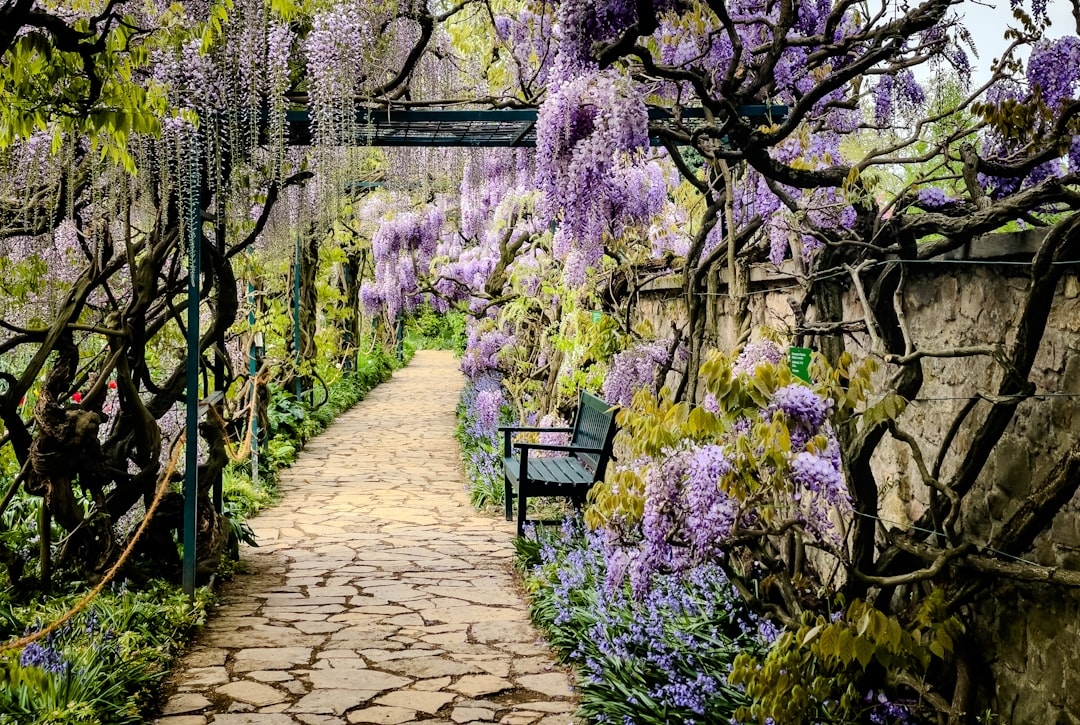
The ideal trellis is never the most expensive or the most decorative. It’s the one that matches your vine’s attachment biology, can handle the mature plant’s weight, survives your regional climate, and stays in the ground long enough to let your climber reach its full potential. A well-supported wisteria in full flower — violet racemes cascading across a clean stainless cable grid, or threading through weathered cedar lattice — is one of the genuinely spectacular sights a domestic garden can produce. Getting the structure right is what makes that possible.
Start this season by identifying your vine species and its attachment type. From that single data point, half the products on this list will immediately eliminate themselves. Then cross-reference against your budget bracket and installation context. You’ll find a clear answer faster than you might expect — and you’ll be confident in it, which matters more than any product review.
Frequently Asked Questions
What is the best trellis for climbing flowers in a small garden?
For small gardens, a fan-shaped or obelisk-style trellis — like the Gardener’s Supply Fan Trellis at 72″ tall and 36″ wide — provides maximum vertical growing space with a minimal footprint. Freestanding obelisks occupy as little as 12 × 12 inches of ground space while supporting vigorous climbers like clematis or morning glory to heights of 6+ feet. In containers, stick to bamboo accordion trellises, which are lightweight and scale well to pots 8–24 inches wide.
How much weight can a garden trellis hold?
Weight capacity varies widely by product type. Basic bamboo trellises safely hold 2–5 pounds — suitable only for lightweight annual vines. Powder-coated steel fan and arch trellises typically handle 15–25 pounds of distributed load. Heavy-duty modular cable systems like Jakob’s stainless products are rated for 50–100+ pounds per anchor point. Always check the manufacturer’s load rating before choosing a trellis for mature perennial vines like wisteria or climbing hydrangea, which can exceed 40 pounds per square foot at maturity.
Do trellises need to be attached to a wall?
Not necessarily. Freestanding trellis options — including fan trellises with ground stakes, A-frame structures, and arched obelisks — require no wall attachment. However, wall-mounted systems offer superior stability for heavy or wind-exposed vines. When wall-mounting, use expansion anchors rated for at least 3× the expected vine weight, and maintain a 2–3 inch standoff gap between the trellis and the wall surface to prevent moisture buildup and disease.
What trellis material lasts the longest outdoors?
Grade 316 stainless steel cable systems have the longest outdoor lifespan of any common trellis material — often 30+ years with zero maintenance, even in coastal or high-rainfall environments. Among more affordable options, untreated western red cedar routinely lasts 10–15 years thanks to its natural oil content. Powder-coated galvanized steel typically lasts 7–10 years before coating degradation allows rust. Bamboo is the shortest-lived option at 1–2 seasons.
Can I use a vegetable trellis for flowering vines?
Yes, with some caveats. A-frame and flat-panel trellises designed for vegetables work perfectly well for annual flowering climbers like sweet peas, thunbergia, and climbing nasturtiums, which are similar in weight and attachment style to pole beans or cucumbers. They are generally not suitable for perennial woody climbers like wisteria or climbing roses, which require sturdier, purpose-built supports designed to handle years of increasing load and winter weather cycling.



Add Comment