Contents:
- Understanding the Flower Supply Chain Before You Buy
- 10 Key Differences Between Flower Delivery Services and Grocery Store Flowers
- Flower Delivery vs Grocery Store: Side-by-Side Comparison
- A Real Example: When Grocery Store Flowers Let Someone Down
- How to Choose the Right Option for Your Situation
- Choose a Flower Delivery Service When:
- Choose Grocery Store Flowers When:
- Consider a Subscription Service When:
- Practical Tips for Getting the Most From Either Option
- The Sustainability Question Deserves a Direct Answer
- FAQ: Flower Delivery vs Grocery Store Flowers
- Are grocery store flowers as fresh as florist flowers?
- Is it cheaper to buy flowers at the grocery store?
- What is the best online flower delivery service?
- How long do grocery store flowers last compared to florist flowers?
- Can I get same-day flower delivery?
You’re standing in the grocery store checkout line, and there they are — a bucket of wrapped tulips for $9.99, right next to the candy bars. Grab them, done. But your phone already has a tab open for an online florist charging $74 for a “designer bouquet” of roughly the same number of stems. The question of flower delivery vs grocery store flowers isn’t just about price. It’s about freshness, longevity, presentation, and whether the flowers will still look alive in three days. This guide breaks it all down so you can spend your money wisely.
Understanding the Flower Supply Chain Before You Buy
Most cut flowers sold in the United States — roughly 80% — are imported, primarily from Colombia and Ecuador. They travel by air freight, pass through customs in Miami, and reach regional distributors before landing at either a florist’s cooler or a grocery store’s floral department. The path matters enormously. Flowers are highly perishable; every hour at room temperature accelerates aging. A rose cut at a farm in Bogotá has about 10–14 days of total vase life under ideal conditions. By the time it reaches you, how many of those days are left?
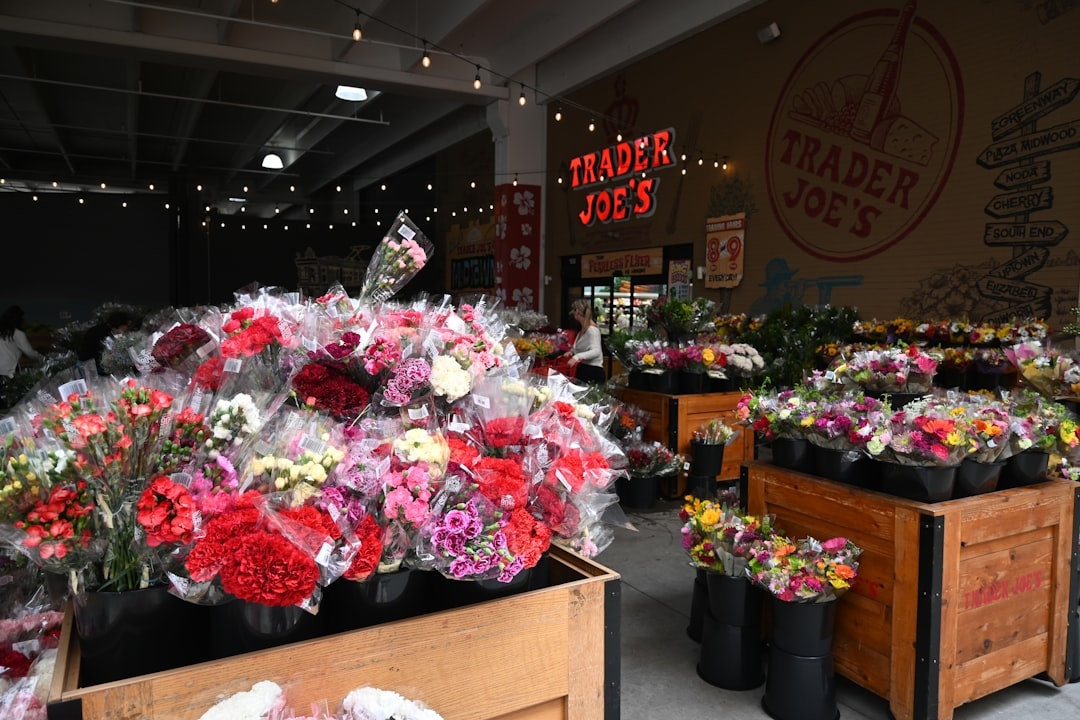
Dedicated flower delivery services — whether local florists or national brands like 1-800-Flowers, Teleflora, or FTD — typically operate with faster inventory turnover and trained staff who re-cut stems and store flowers at the correct 34–38°F range. Grocery stores vary wildly. A high-volume store like Whole Foods or Trader Joe’s often has comparable freshness standards, while a lower-traffic supermarket floral section can be a gamble.
10 Key Differences Between Flower Delivery Services and Grocery Store Flowers
-
1. Freshness and Remaining Vase Life
This is the single most important factor for beginners. A flower’s “remaining vase life” — the days it will stay presentable after you receive it — depends entirely on how it was handled before reaching you. Dedicated florists typically receive flowers 1–2 days after farm harvest and sell them within 3–5 days of arrival. That gives you a realistic vase life of 7–10 days for roses and lilies. Grocery store flowers, depending on the chain and location, may have already spent 4–7 days in transit and storage, leaving you with as little as 3–5 days of display life. Look for tight, firm buds as a freshness indicator — if petals are already fully open at the point of sale, the bloom is past its prime. Trader Joe’s is a notable exception; their high-volume turnover means fresher stock than most supermarkets.
-
2. Price and What You Actually Get Per Dollar
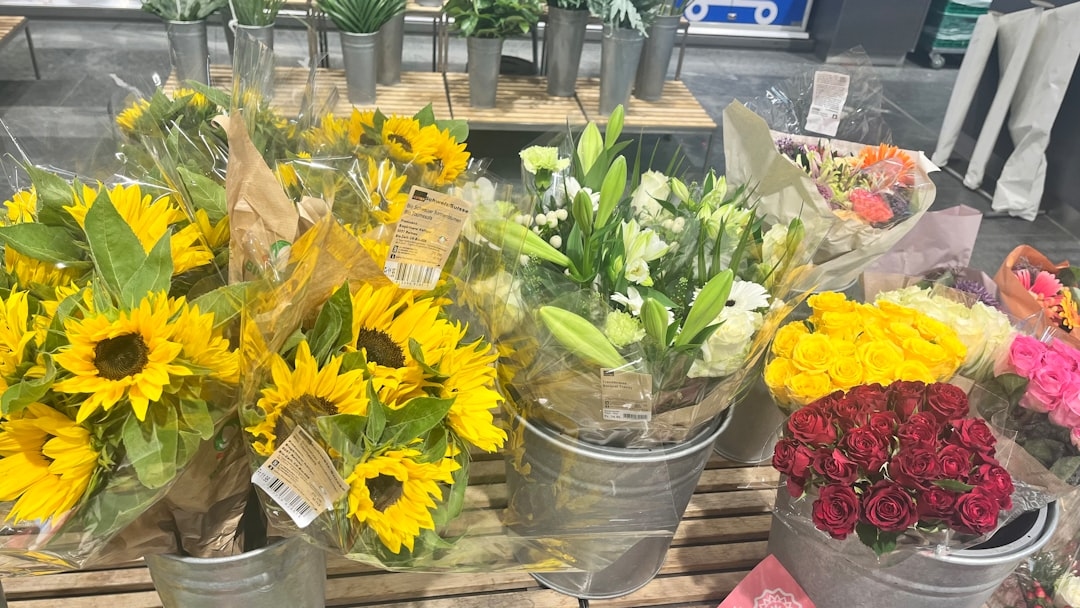
Grocery store flowers typically range from $6–$20 for a wrapped bunch. Florist delivery services average $50–$100 for an arranged bouquet once you add delivery fees, often $10–$20 on top. That sounds like a massive gap — and numerically it is. But the comparison isn’t always straightforward. A $12 grocery bunch might contain 10 carnations. A $65 florist arrangement might include 6 garden roses, eucalyptus, and a glass vase you keep afterward. Per-stem cost at a florist runs $2–$8 depending on variety; grocery carnations can be as low as $0.50 per stem. For everyday home décor, grocery stores win on raw price-per-stem. For gifting with presentation, the florist’s markup often buys real value in design labor, packaging, and delivery logistics.
-
3. Variety and Seasonal Availability
A typical grocery store floral section stocks 8–15 flower varieties, heavily weighted toward roses, carnations, lilies, and mixed “filler” bunches. This selection stays fairly consistent year-round regardless of natural growing seasons. Dedicated florists — especially local independent ones — work with seasonal varieties and can source specialty blooms like peonies in May, dahlias in late summer, or ranunculus in early spring. Online florists like UrbanStems and The Bouqs Co. have expanded variety access nationally, but their subscription and same-day models still lean on high-volume staples. If you want a specific flower for a specific reason — say, stephanotis for a wedding or bird-of-paradise for a dramatic arrangement — a dedicated florist is your only realistic option.
-
4. Customization and Design Options
Grocery store bouquets are pre-wrapped and non-negotiable. What you see is what you get. Florists, by contrast, allow you to specify color palettes, flower types, arrangement style (loose and garden-style vs. tight and formal), and vase preferences. Local florists especially thrive on custom work — call ahead and you can request a specific aesthetic, match a party color scheme, or ask for fragrance-heavy varieties. Online platforms like Teleflora offer some customization via dropdown menus, but true bespoke design comes from a local shop. For a birthday where you know the recipient loves yellow flowers and hates roses, a florist delivers something grocery stores simply cannot.
-
5. Delivery Logistics and Reliability
This is where grocery stores have zero competition — they don’t deliver flowers in most cases. Florist delivery services, both local and national, are built around scheduled delivery windows. Same-day delivery is available from most local florists if ordered before noon, and from platforms like 1-800-Flowers for an additional fee (typically $5–$15 extra). Reliability varies: a 2026 consumer survey by the Society of American Florists found that 91% of local florist deliveries arrived on the promised date when ordered at least 24 hours in advance. National relay services (where a national brand outsources to a local florist) have more variability — reported substitution rates, where the delivered arrangement differs from what was shown online, run as high as 30–40% during peak periods like Valentine’s Day and Mother’s Day.
-
6. Presentation and Packaging
Grocery flowers arrive in plastic wrap with a rubber band and a moisture packet. Florist arrangements come in tissue paper, kraft paper, or a vase, often with a ribbon, flower food packet, and a handwritten or printed card. For home use, grocery store packaging is fine — you’ll trim the stems and arrange them yourself anyway. For gifting, presentation is part of the gift experience. Studies on gift-giving behavior consistently show that packaging quality significantly affects the recipient’s perception of value and effort. A $50 florist bouquet delivered in a kraft paper cone with a branded ribbon signals more intentionality than a $30 grocery bunch in a plastic sleeve, even if both contain comparable flowers.
-
7. Sustainability and Environmental Impact
The floral industry’s environmental footprint is real and worth understanding. Conventional cut flower production in Colombia and Ecuador uses significant pesticide inputs — studies estimate 20% of pesticides used on Colombian flower farms are restricted or banned in the US and EU. Air freight from South America generates substantial carbon emissions. Grocery store flowers, sourced through large commodity distributors, typically have no sustainability certifications. Florists who source through Rainforest Alliance-certified farms or domestic growers (California produces about 75% of domestically grown cut flowers) offer a meaningfully greener option. Local farmers’ market florists or subscription services like Farmgirl Flowers, which sources primarily from domestic farms, are the strongest sustainability choice. Ask your florist directly: “Do you carry any Veriflora or Rainforest Alliance certified flowers?” The answer will tell you a lot.
-
8. Regional Differences Across the US
Where you live changes the calculus significantly. In the Northeast — Boston, New York, Philadelphia — dense urban populations support a thriving independent florist ecosystem, with same-day delivery competitive and prices moderate ($50–$80 average bouquet). The West Coast, particularly California, has unique advantages: proximity to domestic flower farms in the Salinas Valley and Santa Cruz mountains means local florists can offer farm-fresh domestic flowers unavailable elsewhere. Southern states, especially in suburban and rural areas, may have fewer local florists, making national online platforms more practical — but also making high-quality grocery store floral sections (particularly at Publix, which has an unusually strong floral program) a more competitive option. Rural Midwest and Mountain West buyers often find that online national florists are their only delivery option at all, making grocery stores the sole option for last-minute purchases.
-
9. Care Instructions and Customer Support
A florist will typically include a flower food packet (usually containing sugar, acidifier, and a biocide) and sometimes written care instructions. Many local florists will answer follow-up questions — if your roses are wilting two days in, call them. Grocery stores provide none of this. This matters more than beginners expect. Proper care — re-cutting stems at a 45-degree angle under water, using the flower food packet, keeping flowers away from fruit bowls (ethylene gas from ripening fruit accelerates wilting) — can double a bouquet’s vase life. A florist who explains this at purchase is giving you a tangible additional benefit. Online florists vary: The Bouqs Co. and UrbanStems include detailed digital care guides, while budget-tier national sites often do not.
-
10. Subscription Options and Long-Term Value
Grocery stores are strictly transactional — buy when you need. Many florists and online platforms now offer subscription services that can deliver real value for regular flower buyers. UrbanStems offers bi-weekly delivery starting at $40 per arrangement; Bloomsy Box ships farm-direct subscriptions starting at $35/month. These subscription models often work with farms that harvest-to-order, meaning flowers cut 24–48 hours before delivery rather than 5–7 days — a meaningful freshness advantage. For someone who keeps fresh flowers in their home consistently, a well-chosen subscription beats both grocery and single-purchase florist options on price-per-fresh-day, sometimes by 30–40%.
Flower Delivery vs Grocery Store: Side-by-Side Comparison
| Factor | Flower Delivery Service | Grocery Store Flowers |
|---|---|---|
| Average Price | $45–$100+ | $6–$20 |
| Estimated Vase Life | 7–10 days | 3–7 days (varies) |
| Variety Selection | High (20–50+ species) | Low (8–15 varieties) |
| Customization | High (local) / Medium (online) | None |
| Delivery Available | Yes | No (in most cases) |
| Presentation Quality | High | Low–Medium |
| Sustainability Options | Available (ask florist) | Rarely available |
| Care Support | Yes (instructions + flower food) | Usually none |
| Best For | Gifting, events, special occasions | Home décor, everyday use |
A Real Example: When Grocery Store Flowers Let Someone Down
A reader shared this experience in an online gardening community that illustrates the stakes well. She purchased a $14 mixed bouquet from her local supermarket on a Thursday for a Friday dinner party — carnations, alstroemeria, and a few spray roses. By Saturday afternoon, the carnations were drooping and two roses had begun to brown at the edges. The arrangement looked tired before the weekend was over. She later learned the bouquet had likely been sitting in the store’s floral section for 4–5 days before she bought it. The remaining vase life simply wasn’t there. The lesson isn’t that grocery store flowers are always bad — it’s that without knowing the arrival date of a grocery store’s floral stock, you’re buying blind. A florist’s flowers come with that information baked into the price.
How to Choose the Right Option for Your Situation
Choose a Flower Delivery Service When:
- You’re sending flowers as a gift and can’t deliver them yourself.
- The occasion carries emotional weight — sympathy, anniversaries, major milestones.
- You need a specific flower variety or custom color palette.
- Presentation matters as much as the flowers themselves.
- You want flowers that will last through a week-long event or extended display period.
- You’re in a region (rural South, Mountain West) with limited local florist options and need reliability.
Choose Grocery Store Flowers When:
- You’re buying for your own home and price is the priority.
- You need flowers the same day with no lead time.
- You’re comfortable doing your own arranging and don’t need professional design.
- You’re shopping at a high-turnover store (Trader Joe’s, Whole Foods, Publix) where freshness is more reliable.
- The flowers are for a short-term purpose — a one-night dinner party, a single-day event.
Consider a Subscription Service When:
- You keep fresh flowers at home regularly (weekly or bi-weekly).
- You want better freshness than grocery stores at a competitive per-arrangement price.
- Sustainability matters to you — many subscription services work with certified farms.
Practical Tips for Getting the Most From Either Option
Whichever route you choose, these steps will maximize your flowers’ lifespan. First, always re-cut stems — use clean scissors or a sharp knife, cutting at a 45-degree angle to maximize water uptake surface. Do this under running water or while stems are submerged. Second, use the flower food packet if one is provided; it’s not a gimmick. The mix of sugar (fuel), citric acid (pH balancer), and bleach (bacteria inhibitor) measurably extends vase life in controlled studies by 2–4 days. Third, change the water every two days and rinse the vase. Bacteria in the water are the primary cause of premature wilting. Fourth, keep flowers away from direct sunlight, heating vents, and fruit bowls — all of which accelerate aging. A cool room (65°F or below at night) can add days to an arrangement’s life.
For grocery store buyers specifically: shop on days when new stock arrives. Most supermarkets receive floral deliveries on Tuesdays and Fridays. Asking a store employee which day flowers arrive is a simple question that can meaningfully improve what you bring home.
The Sustainability Question Deserves a Direct Answer
If environmental impact factors into your purchasing decisions, the honest answer is that neither conventional grocery store flowers nor standard online florists are particularly green. The most sustainable choices, ranked in order, are: (1) locally grown flowers from farmers’ markets or CSA farm subscriptions, (2) domestic farm-direct online services like Farmgirl Flowers, (3) Rainforest Alliance or Veriflora certified arrangements from a knowledgeable local florist, and (4) everything else. Grocery store flowers from commodity distributors rank at the bottom of this list — high pesticide use, long supply chains, and no certification programs. This isn’t a reason to avoid them for everyday use, but it’s worth knowing if you’re buying flowers regularly.
FAQ: Flower Delivery vs Grocery Store Flowers
Are grocery store flowers as fresh as florist flowers?
Not reliably. Florists typically receive flowers 1–2 days after farm harvest and sell them within 3–5 days of arrival, leaving 7–10 days of vase life. Grocery store flowers may have already been in transit or storage for 4–7 days, leaving as little as 3–5 days of display life. High-turnover stores like Trader Joe’s are exceptions and often match florist freshness standards.
Is it cheaper to buy flowers at the grocery store?
Yes, significantly. Grocery store bouquets average $6–$20, while florist delivery arrangements average $50–$100 including delivery fees. However, the value comparison depends on your use case. For gifting with presentation, professional design, or specific flower varieties, the florist price often delivers proportional value. For home décor, grocery stores win on raw cost.
What is the best online flower delivery service?
For same-day delivery and reliable quality, 1-800-Flowers and a local independent florist (found via the FTD or Teleflora directory) are solid choices. For farm-direct freshness at competitive prices, The Bouqs Co. and UrbanStems consistently receive high marks. For sustainability-focused buyers, Farmgirl Flowers sources primarily from domestic farms. Avoid heavily discounted relay services during peak holidays like Valentine’s Day and Mother’s Day, when substitution rates are highest.
How long do grocery store flowers last compared to florist flowers?
On average, grocery store flowers last 3–7 days in a vase with proper care. Florist flowers typically last 7–10 days. The difference comes down to remaining vase life at the point of purchase — florists sell flowers earlier in their lifespan. Proper care (re-cutting stems, using flower food, clean water every two days) can extend either option by 2–4 additional days.
Can I get same-day flower delivery?
Yes. Most local florists offer same-day delivery for orders placed before 12:00 PM local time. Major online platforms including 1-800-Flowers and FTD offer same-day delivery in most metro areas, typically for an additional $10–$15 surcharge. Availability drops significantly in rural areas and during peak holidays. Grocery stores do not typically offer flower delivery, making them a same-day option only if you go in person.
Your next step: Before you buy, decide whether you’re shopping for yourself or giving a gift. That single distinction resolves most of this comparison on its own. For gifts with any emotional significance, budget at least $50 for a local florist and order 48 hours in advance. For your own home, find out which day your nearest high-volume grocery store receives floral stock — then shop that morning. Small adjustments to timing and intention make a bigger difference than which store you walk into.



Add Comment