Contents:
- Understanding What You’re Actually Buying
- Fresh vs Preserved Flowers Value: A Section-by-Section Breakdown
- Upfront Cost and Price Per Day
- Longevity and Maintenance Requirements
- Visual Impact and Sensory Experience
- Variety and Seasonal Availability
- Sustainability and Environmental Impact
- Use Cases: Where Each Option Genuinely Excels
- Customization and Design Flexibility
- Gifting Perception and Emotional Value
- Side-by-Side Comparison: Fresh vs Preserved Flowers
- Common Mistakes to Avoid
- How to Choose: A Practical Decision Framework
- What’s the occasion and timeframe?
- What’s your real budget — total, not just upfront?
- Does fragrance matter?
- Who is the recipient, and what’s the relationship context?
- FAQ: Fresh vs Preserved Flowers Value
- Are preserved flowers worth the higher upfront cost?
- How long do preserved flowers actually last?
- Do preserved flowers smell like real flowers?
- Which is better for a wedding — fresh or preserved flowers?
- Are preserved flowers environmentally friendly?
- Making Your Decision Count
Ancient Egyptians used flowers so deliberately in their ceremonies that tomb paintings still show lotus blooms arranged with near-florist precision — yet those flowers wilted within hours of the ceremony. Fast-forward a few thousand years, and we’re still wrestling with the same core question around fresh vs preserved flowers value: is it worth paying for beauty that lasts, or does the fleeting nature of a fresh bloom make it all the more meaningful? The answer isn’t one-size-fits-all. It depends on your budget, your occasion, your aesthetic, and honestly, how much you hate watching petals drop onto your dining table.
This article breaks down both options with real numbers, honest trade-offs, and a clear framework to help you spend your money confidently.
Understanding What You’re Actually Buying
Before comparing costs, it helps to understand what each product actually is — because “preserved flowers” covers a wide range of techniques and quality levels.
Fresh flowers are cut from living plants, typically sold within 1–3 days of harvest. Most US flowers are sourced from Colombia, Ecuador, or domestic farms in California and Florida. They’re living, breathing, and actively dying from the moment they’re cut. A well-cared-for bouquet lasts 5–12 days depending on variety — roses and lilies on the longer end, sweet peas and poppies on the shorter.
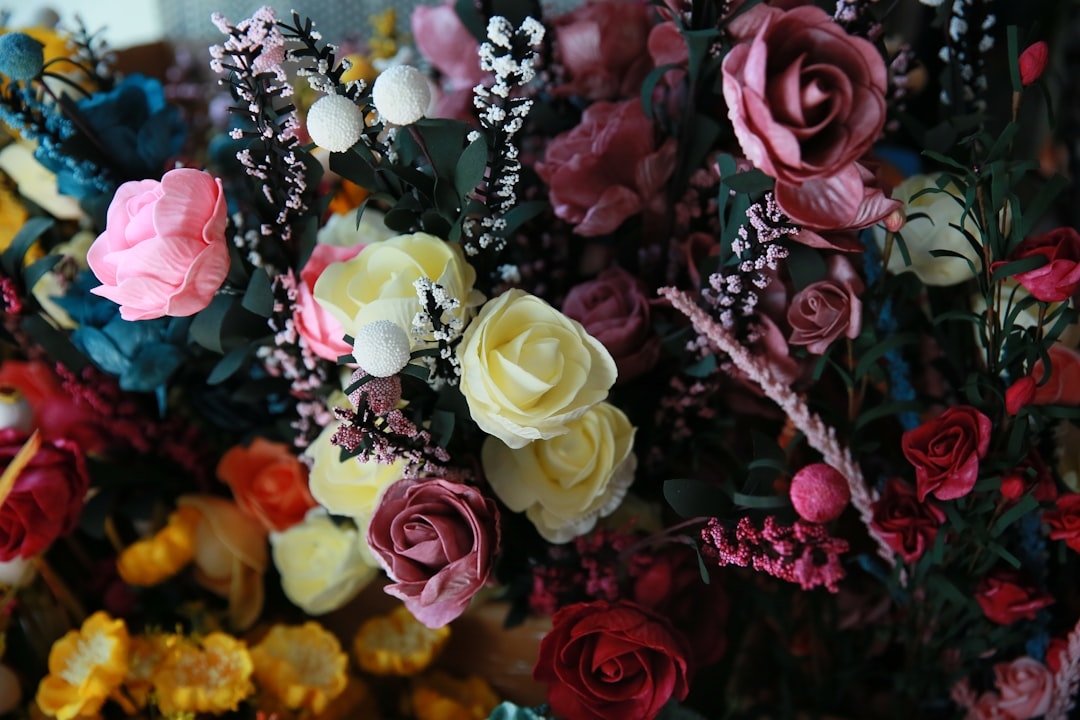
Preserved flowers are real flowers that have undergone a stabilization process, most commonly glycerin-based preservation or freeze-drying. The glycerin method replaces the plant’s natural moisture with a preserving solution, resulting in soft, pliable petals that can last 1–3 years. Freeze-dried flowers are more brittle but hold their shape exceptionally well and can last even longer. Artificial or silk flowers are a separate category entirely — they’re not preserved flowers, they’re manufactured replicas.
Fresh vs Preserved Flowers Value: A Section-by-Section Breakdown
1. Upfront Cost and Price Per Day
A standard fresh rose bouquet from a mid-range US florist runs $45–$85. A comparable preserved rose arrangement — same size, same rose variety — typically costs $80–$180. On the surface, fresh flowers win. But the math shifts when you calculate cost per day. A $60 fresh bouquet lasting 8 days costs $7.50 per day. A $120 preserved arrangement lasting 18 months (540 days) costs about $0.22 per day. If longevity matters to you, preserved flowers aren’t expensive — they’re actually one of the most cost-efficient décor purchases you can make. That said, if you’re buying weekly or bi-weekly for a subscription-style lifestyle, fresh flowers can total $1,500–$3,000 per year, which is significant.
2. Longevity and Maintenance Requirements
Fresh flowers demand daily attention: water changes every 1–2 days, trimmed stems, kept away from direct sunlight and heat vents, and ideally placed in a cool room. Ethylene gas from fruit bowls accelerates wilting noticeably — keep your bouquet away from the kitchen fruit basket. Preserved flowers, by contrast, require almost no maintenance. No water, no trimming, no misting. The main enemy is humidity above 60% (which can cause condensation and mold) and direct sunlight, which fades pigments over 3–6 months. In a stable indoor environment — say, a bedroom or office — a quality preserved arrangement can look presentable for 2–3 years with zero effort.
3. Visual Impact and Sensory Experience
Fresh flowers win this round, and it’s not particularly close. The color saturation of a freshly cut garden rose, the natural variation in petal texture, and especially the fragrance — none of these are replicable with preservation. Preserved flowers often lose 70–90% of their scent during the glycerin process. Freeze-dried flowers retain slightly more fragrance but still fade quickly. Visually, high-quality preserved flowers are remarkably convincing, especially roses, peonies, and hydrangeas. Under natural lighting, a well-arranged preserved bouquet can genuinely fool guests. But up close, petals feel slightly waxy or stiff, and the colors — while vibrant — can look uniformly perfect in a way that reads as artificial.
4. Variety and Seasonal Availability
Fresh flowers follow the seasons, and that’s part of their charm — and their limitation. Here’s a quick seasonal guide for US buyers:
- Spring (March–May): Peak season for tulips, peonies, ranunculus, lilacs, and garden roses. Best prices and freshest stock.
- Summer (June–August): Dahlias, sunflowers, zinnias, lisianthus, and lavender are at their prime. Local farm-direct options are most abundant.
- Fall (September–November): Chrysanthemums, marigolds, celosia, and dried grasses. Ideal for preserved-style aesthetics even in fresh formats.
- Winter (December–February): Limited domestic variety; most fresh flowers are imported. Prices spike 20–40% around Valentine’s Day and the winter holidays.
Preserved flowers sidestep this calendar entirely. A peony arrangement is just as available in January as in May, at the same price. For event planners or couples getting married in an off-season month, this is a meaningful advantage.
5. Sustainability and Environmental Impact
This is more nuanced than most flower guides admit. Fresh cut flowers from overseas carry a significant carbon footprint — a Colombian rose traveling to a US retailer logs roughly 13,000 miles, typically by air freight. The US imports over $1 billion in cut flowers annually, primarily from South America. However, fresh flowers are biodegradable and compostable. Preserved flowers involve chemical processing (glycerin, sometimes dyes and fixatives), and the end product isn’t biodegradable in any practical sense. If sustainability is your priority, locally grown seasonal fresh flowers — especially from farmers markets or Community Supported Agriculture (CSA) flower subscriptions — are the most environmentally responsible choice. Preserved flowers from ethically sourced suppliers are a reasonable middle ground if longevity offsets the footprint.
6. Use Cases: Where Each Option Genuinely Excels
The right flower format depends heavily on context. Fresh flowers are the clear choice for:
- Sympathy and get-well arrangements, where the act of sending something living carries emotional weight
- Weekly table centerpieces, where variety and freshness create a rotating sensory experience
- Spring and summer weddings, where fragrance and seasonal cohesion matter
- Gifts meant to feel generous and immediate — fresh flowers signal effort in a way preserved ones don’t always translate in person
Preserved flowers shine for:
- Wedding bouquet keepsakes — preserving a bride’s bouquet post-wedding is a $150–$400 service with obvious sentimental ROI
- Home décor in high-traffic or hard-to-maintain areas (offices, rental properties, bathroom shelves)
- Destination weddings where transporting fresh flowers is logistically impossible
- Gifts for people who travel frequently or live in apartments without easy access to florists
7. Customization and Design Flexibility
Preserved flowers can be dyed virtually any color — including deep navy, black, champagne gold, and pastels that don’t exist in nature. This makes them a strong choice for specific brand palettes, themed events, or non-traditional wedding aesthetics. Many US preserved flower brands offer bespoke color matching. Fresh flowers, while available in a wide natural range, are limited to what’s in season and what breeders have developed. Some dyed fresh flowers (blue roses, rainbow carnations) use artificial dye injection that’s visually striking but shorter-lived than naturally colored blooms. For maximum design control, preserved flowers offer more flexibility — especially for arrangements that need to hold a precise visual for months.
8. Gifting Perception and Emotional Value
Here’s something florists rarely say out loud: fresh flowers are almost universally perceived as more romantic and emotionally resonant than preserved ones, even when the preserved arrangement is objectively more beautiful and expensive. There’s psychology behind this. The ephemerality of fresh flowers — the fact that they’ll be gone soon — is part of their gift language. They say “I thought of you right now.” Preserved flowers, despite lasting longer, can feel slightly clinical or decorative to some recipients. That said, framing matters enormously. Presenting a preserved arrangement as a lasting keepsake, rather than a substitute for fresh flowers, shifts the emotional register entirely. The most successful preserved flower brands lean into permanence as a feature, not a consolation prize.
Side-by-Side Comparison: Fresh vs Preserved Flowers
| Factor | Fresh Flowers | Preserved Flowers |
|---|---|---|
| Average Cost (mid-range bouquet) | $45–$85 | $80–$180 |
| Lifespan | 5–12 days | 1–3 years |
| Cost Per Day | ~$5–$15/day | ~$0.15–$0.50/day |
| Fragrance | Natural, full scent | Minimal to none |
| Maintenance | Daily water changes, trimming | Minimal — avoid humidity & direct sun |
| Seasonal Availability | Varies; limited off-season | Year-round, consistent |
| Color Options | Natural range, seasonal | Virtually unlimited with dyeing |
| Eco-Friendliness | Biodegradable; import footprint | Chemical processing; long use offsets |
| Emotional Resonance (gifting) | High — classic romantic gesture | Medium — depends on framing |
| Best For | Gifts, events, weekly décor | Long-term décor, keepsakes, travel |
Common Mistakes to Avoid
A lot of flower-buying regret comes from a handful of avoidable errors. Watch out for these:
- Buying preserved flowers without checking humidity levels. If you live in a coastal area or have a naturally humid home (above 60% relative humidity), preserved flowers will degrade significantly faster. A $5 humidity meter from a hardware store can save you a $150 arrangement.
- Assuming all preserved flowers are equal. Glycerin-preserved flowers from reputable suppliers like Verdissimo or Fleur Atelier perform very differently from cheap imports with synthetic dye jobs that bleed or fade within months. Price is often a reliable quality signal here.
- Placing fresh flowers in warm spots. The top of a refrigerator, near a sunny window, or on a kitchen counter near the stove will cut a bouquet’s life nearly in half. A cool, indirect-light spot extends freshness by 3–5 days.
- Over-ordering fresh flowers for events without a plan for leftovers. Caterers and event coordinators often donate leftovers to hospitals or elder care facilities — build that into your event plan rather than throwing away $200 worth of flowers at the end of the night.
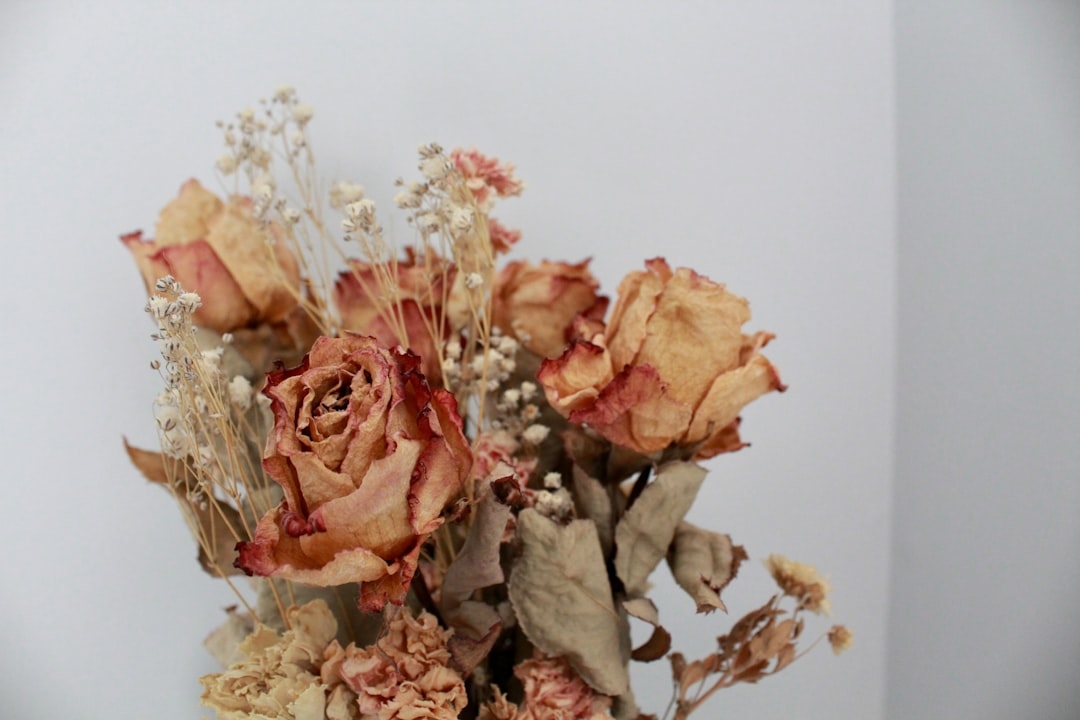
- Confusing preserved flowers with dried flowers. Dried flowers (air-dried or desiccant-dried) are a third, distinct category — more brittle than glycerin-preserved, shorter-lived, but often more affordable and very on-trend for bohemian aesthetics. They’re not interchangeable.
How to Choose: A Practical Decision Framework
Run through these four questions before you buy:
What’s the occasion and timeframe?
For a dinner party happening this Saturday, fresh flowers are the obvious call. For a home office refresh or a housewarming gift that needs to look good for months without any upkeep, preserved wins easily. Weddings sit in the middle: fresh flowers for ceremony and reception, preserved for the keepsake bouquet.
What’s your real budget — total, not just upfront?
If you refresh your home flowers monthly, you’re spending $540–$1,020 per year on fresh arrangements (at $45–$85/month). A single $150 preserved arrangement for the same spot costs 70–85% less annually. Run the numbers for your specific cadence before defaulting to “fresh is cheaper.”
Does fragrance matter?
If the answer is yes — and for many people it genuinely is — fresh flowers are non-negotiable. No preservation technique currently replicates the scent of a garden rose or a bunch of freesia at full bloom. This is a dealbreaker for many buyers, and there’s no work-around.
Who is the recipient, and what’s the relationship context?
For a first date, a get-well gesture, or a thank-you to a colleague, fresh flowers read as warmer and more spontaneous. For a partner who appreciates thoughtful, lasting gifts — or who’s expressed frustration watching flowers die within a week — preserved flowers can be a genuinely more meaningful choice. Context and recipient knowledge matter more than category rules.
FAQ: Fresh vs Preserved Flowers Value
Are preserved flowers worth the higher upfront cost?
Yes, in most long-term use cases. When you calculate cost per day, preserved flowers are significantly cheaper than fresh. A $130 preserved arrangement lasting 18 months costs roughly $0.24/day, compared to $7.50/day for a $60 fresh bouquet. The higher upfront price is offset quickly for home décor and keepsake applications.
How long do preserved flowers actually last?
Quality glycerin-preserved flowers last 1–3 years with minimal care in a dry, stable environment. Freeze-dried flowers can last even longer — up to 5 years — but are more fragile. Both types degrade faster in humidity above 60% or under prolonged direct sunlight.
Do preserved flowers smell like real flowers?
Not significantly. The glycerin preservation process removes most of the flower’s natural scent. Some preserved flowers retain a faint floral note for a few weeks, but it fades quickly. If fragrance is important to you, fresh flowers are the right choice.
Which is better for a wedding — fresh or preserved flowers?
Most couples use fresh flowers for the ceremony and reception for maximum visual and sensory impact, then have their bridal bouquet professionally preserved as a keepsake. Destination weddings or winter weddings with limited fresh flower availability are strong candidates for all-preserved arrangements, which can be ordered months in advance and shipped without the fragility concerns of fresh flowers.
Are preserved flowers environmentally friendly?
It’s a genuine trade-off. Preserved flowers require chemical processing and aren’t biodegradable, but their long lifespan reduces the need for repeated purchases and shipping. The most eco-friendly option overall is locally grown, seasonal fresh flowers from a US farm or farmers market — no air freight, fully compostable, and often pesticide-free.
Making Your Decision Count
The smartest move most buyers make is using both formats deliberately rather than defaulting to one. Keep a rotating fresh arrangement in your main living space for sensory richness — budget $40–$60 per month and shop seasonally for the best prices. Use preserved flowers for areas of your home that need year-round consistency, for gifts that need to travel, and for any occasion where longevity genuinely enhances the meaning.
If you’re shopping right now, here’s a concrete starting point: for under $100, a seasonal fresh bouquet from a local florist or a grocery store with a good floral department will almost always outperform a cheap preserved option in the same price range. Above $100, preserved flowers start to offer compelling competition — especially from specialist brands with verifiable sourcing and preservation methods. Read the product descriptions carefully, check humidity ratings for your home, and buy from suppliers who offer clear information about their preservation process. That’s where the real value lives.

Add Comment